
Our company was established in 2012 and is a national high-tech enterprise. We mainly take charge of R&D, production, sales, and service of LED drivers. We have over 1000 clients worldwide and over 3 million output every year. Our products have been sold worldwide, such as in Thailand and USA.
Custom Service
We can customize the lamp structure, required functions, parameters, etc. Also, we provide OEM&ODM services and a one-stop solution including a full design, manufacturing, and after-sales.
Complete Certification
The company has passed the "ISO9001:2015" quality management system certification as well as the certificate of national high-tech enterprise. The products are compatible with multi-national certifications, including China CQC certification and international UL, CUL, TUV, ROHS, CE, CB, SAA, FCC, CCC, etc.
Strong Production Ability
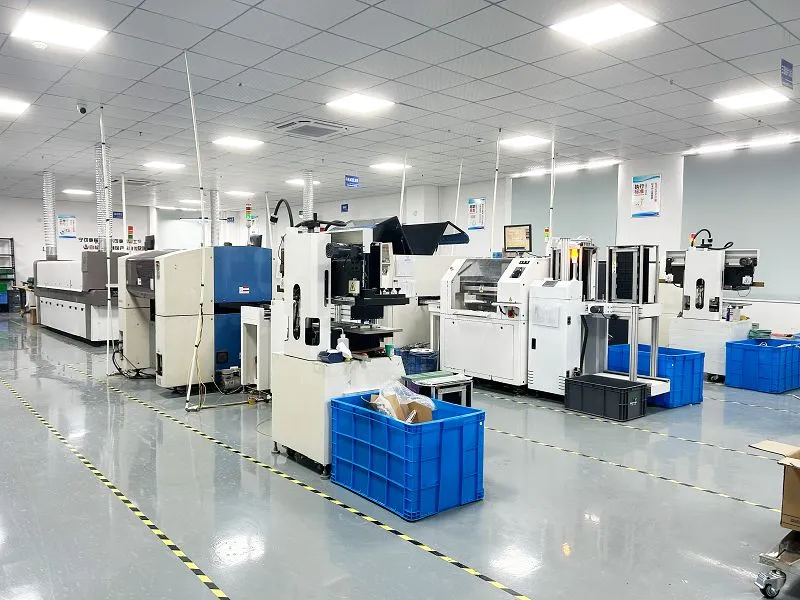
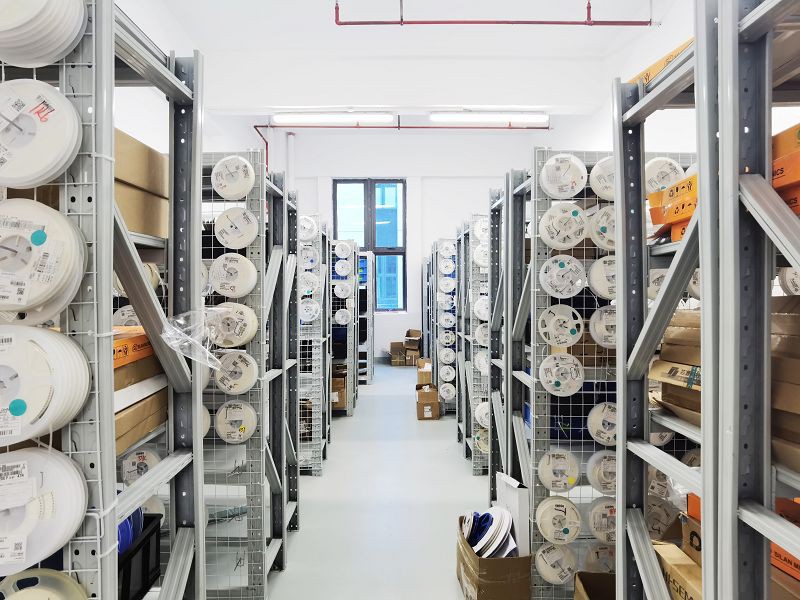
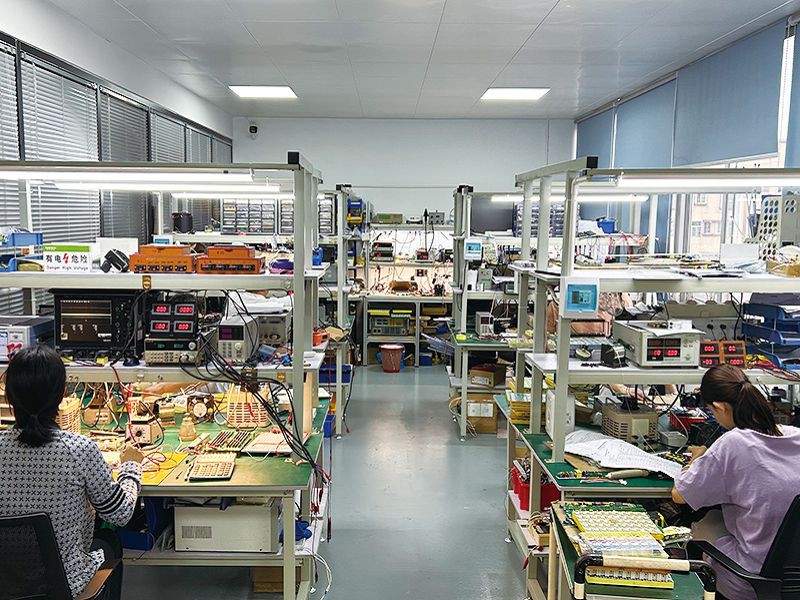
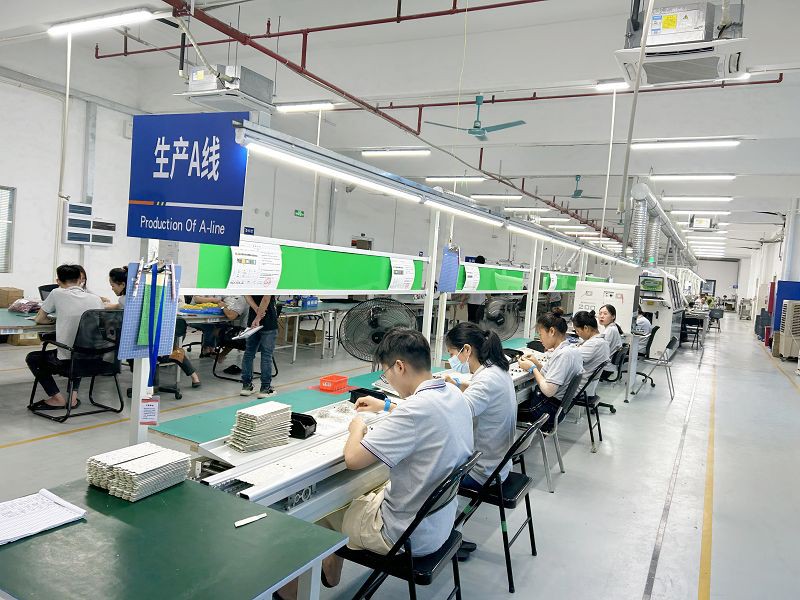
With a 4000 square meters factory in Foshan high-tech Zone, the company has 3 patch production lines and 3 plug-in production lines. There are around 100 employees and the annual capacity reaches 5 million shipments. Not only does the company have a professional R&D team of about 20 people, but also has advanced equipment to support such as SMT machines, automatic gluing machines, aged vehicles, reflow solder, and so on.
Professional Team
Most of the R&D team has 10 years of experience in the LED lighting industry. The team covers professionals from multiple fields including electronic engineering, optical design, and lighting engineering, providing comprehensive technical support to customers.
Non-Isolated Constant Current Sensor Driver
Non-isolated LED driver does not have transformer isolation like an isolated LED driver, which prevents the surge voltage from flowing to the secondary side and causing damage to the LED.
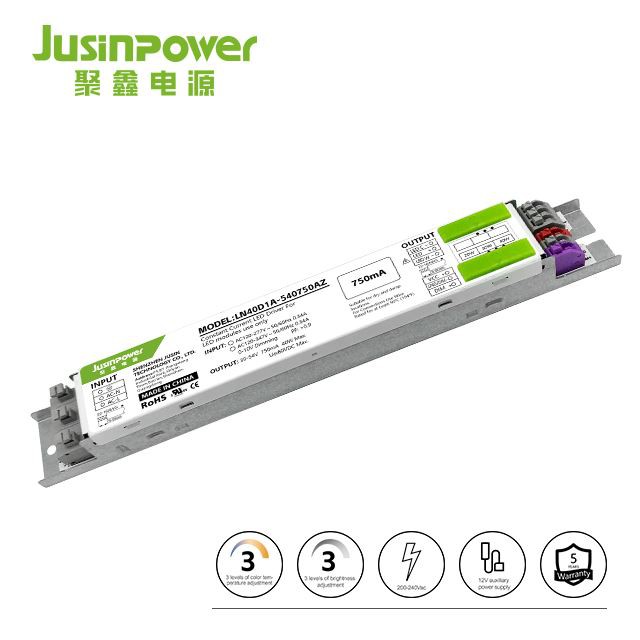
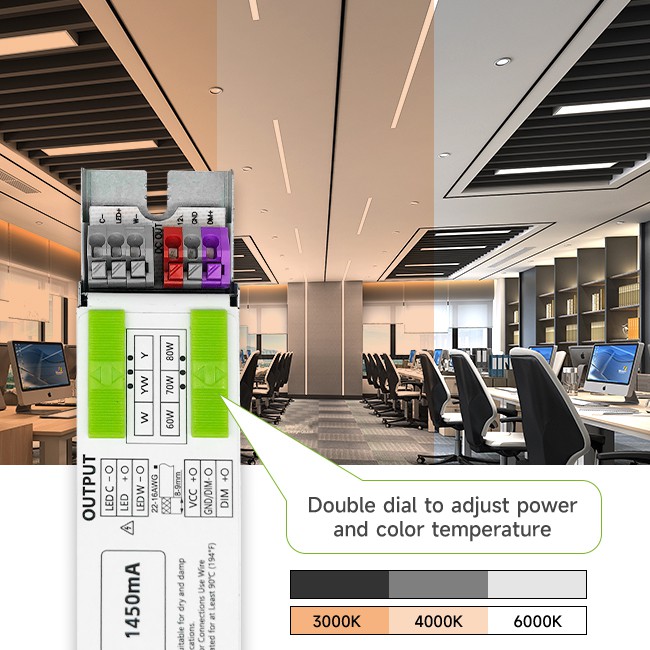
3CCT means there are 3 colors control temperature options for LED light fixture control, you can turn to variable light color by switching to a different mode set. There are three levels of brightness including low, medium, and high levels.
PWM Dimmable LED Sensor Driver
PWM stands for pulse width modulation. PWM offers a full range of brightness by varying how much time the signal is high (ON) or low (OFF). This product has 4 grade light to adjust without flicker.
It has a 5.8GHz microwave motion sensor with dimmable function and has a length for 199mm, a width for 31 mm, and a height for 21.5mm. With 4 levels of brightness and infrared remote control, you can easily adjust light. Its main feature is keeping constant and abundant light when people is inside.
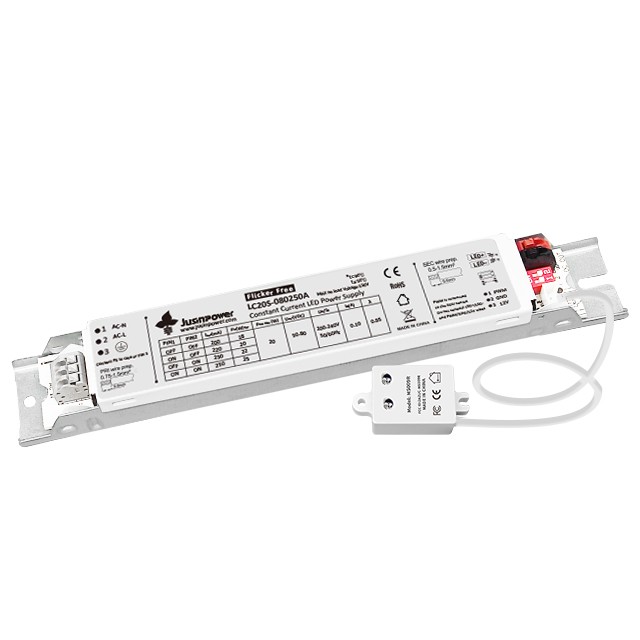
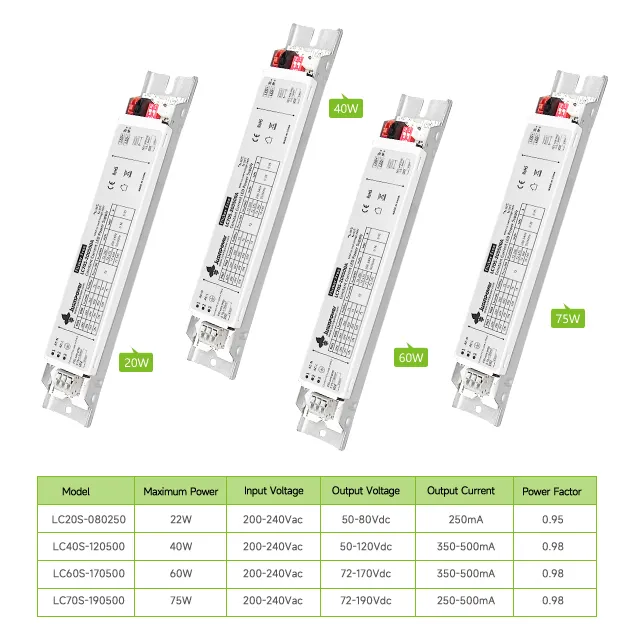
The 22W sensor driver is a non-isolated power designed for constant current. With 250mA output currency and flicker-free features, it is especially suitable for warehouse, parking lot, and corridors.
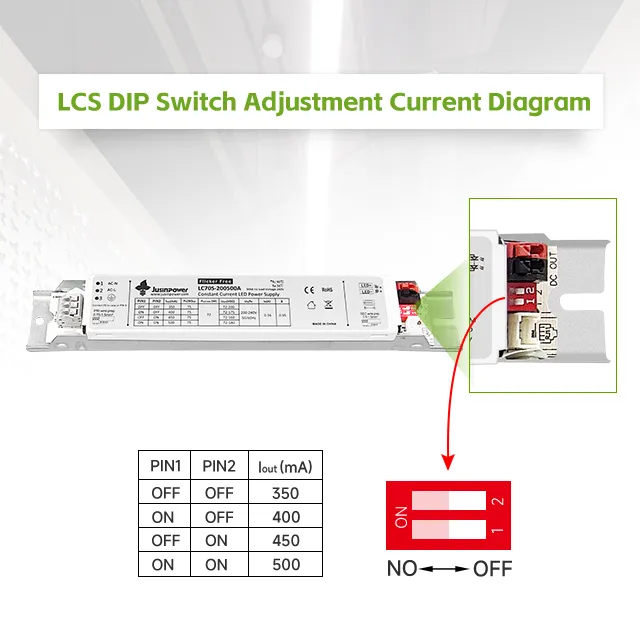
The 40W sensor driver has 350-500mA output currency and is a non-isolated constant current power. Users can adjust output current by a dial switch. It is suitable for various lamps.
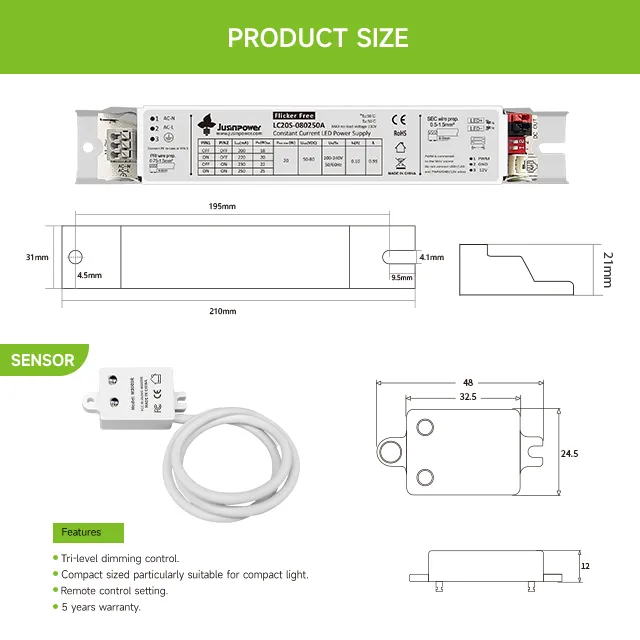
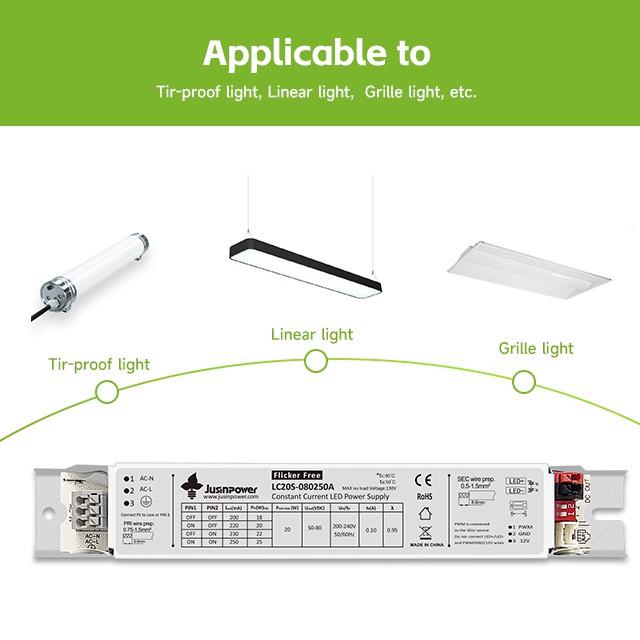
The product has a slim and elaborate size, and especially suitable for narrow spaces. With a long metal case, it has a good function of dissipation. It is a non-isolated and single-voltage power.
Sensor Drivers For Linear Lights
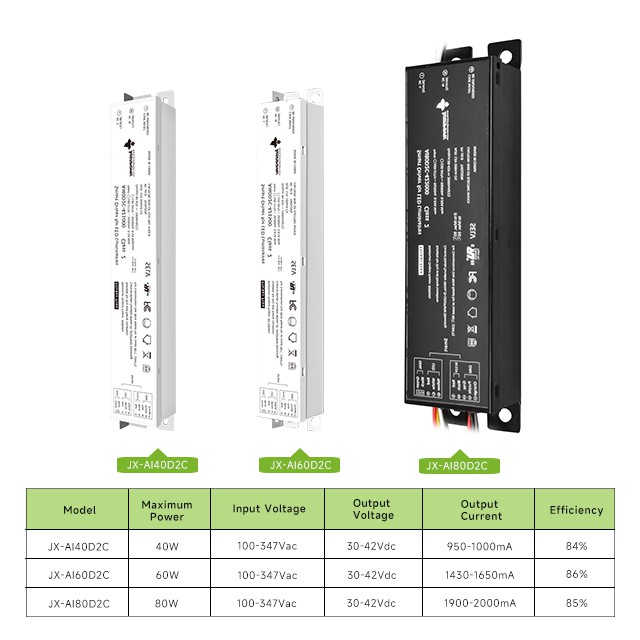
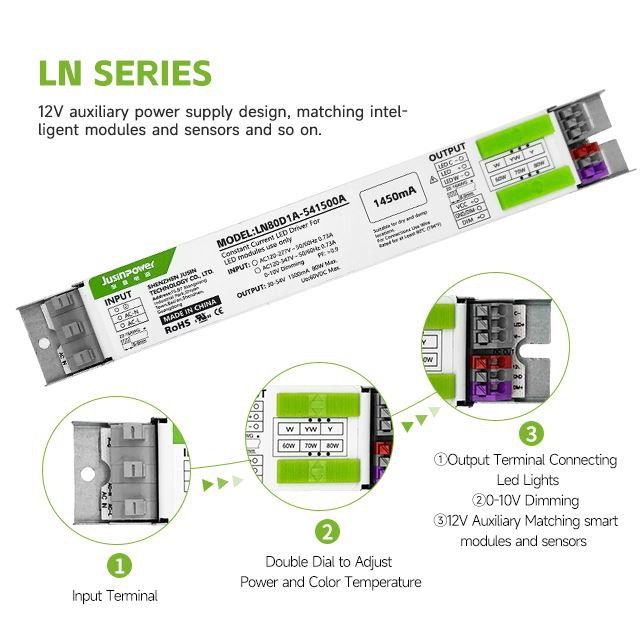
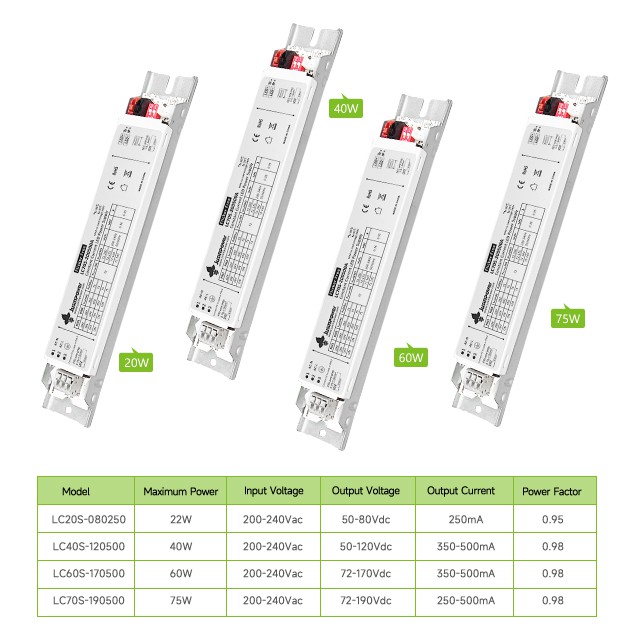
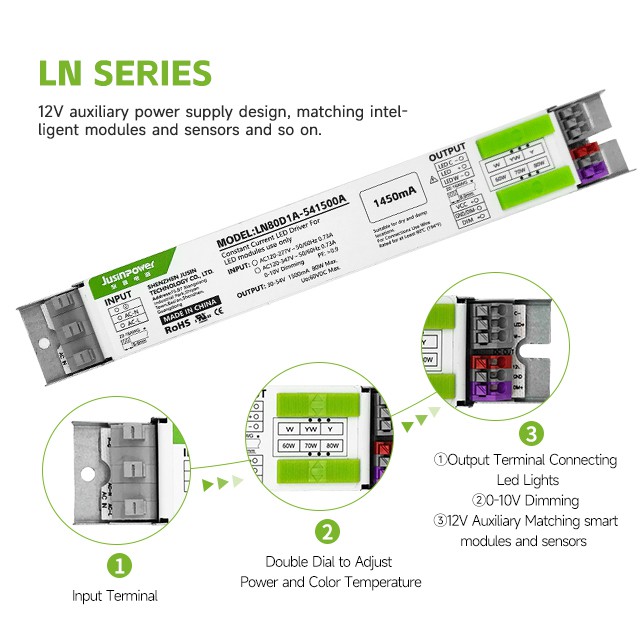
The product has four kinds of watt to choose, include 22W, 40W, 60W, 75W. You can adjust the current by a dial switch. With the efficiency is as high as 92%, it can be used for linear lights, and plant lights. The driver has 4 levels of brightness to adjust and a 12V auxiliary power supply.
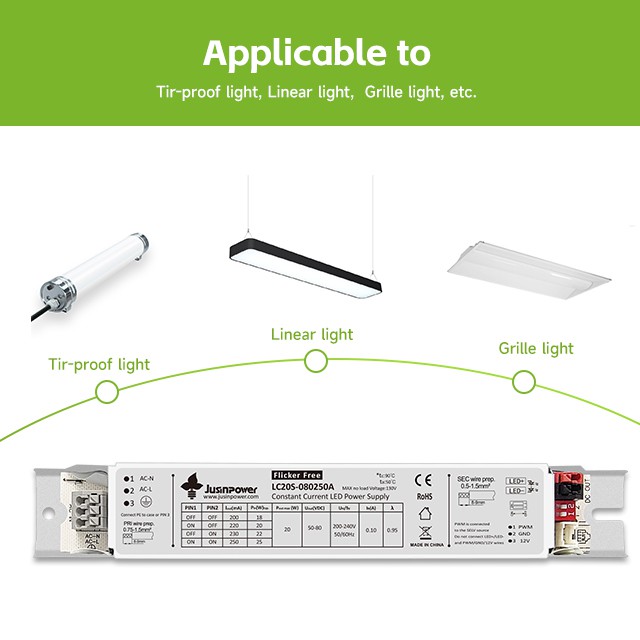
The product has passed the TUV/CA/SAA/VED certification. Its aim is keeping constant light when people is inside the cabin. The driver's compatibility with 200-240VAC input voltage makes it suitable for use in a variety of locations, including commercial and residential settings.
What is a PWM LED Driver
Pulse-width modulation (PWM) is a common type of dimming used to adjust the current in white-LED driver devices. An LED driver is an electrical device that regulates power to an LED or a string of LEDs. It is very important in preventing damage to LEDs. An LED driver acts as a power controller with outputs matched to the electrical characteristics of the LED(s). This helps avoid thermal runaway. The LED driver is able to compensate for changes in forward voltage while delivering a constant current to the LED.
Advantages of Dimmable LED Drivers
Longevity with Dimming
Using a dimmable driver to keep your LEDs lit will increase their lifetime hours. An average LED bulb without dimming capabilities will last around 40,000 hours. By dimming the light using, you're essentially extending its Average Rated Life (ARL). For example, if your LED has an L70 rating of 50,000 (meaning 70% of its original output will last for up to 50,000) and you decided to keep this dimmed at 50% its entire life, you could receive 70% of this output for up to 75,000 hours (50% on top of the 50,000).
Dimming Saves Energy
By lowering, or cutting on and off the flow of electricity to the light lamps, dimmers reduce the overall amount of power being used, therefore helping you save on energy.
Lighting Controls
Typically, when using dimmable LEDs, dimmer switches with a twist-able knob or sliding switch can be used to effectively control the dimming effect. With modern technology, remote controls, smartphones, and even your voice can be used to dim certain LED lamps. Dimmable LED Drivers can also be integrated with fully automated lighting control systems and programmed to set scenes. This gives you the ability to create your desired atmosphere at a single press of a button.
Adjustable Ambiance
Lighting is used to set the ambiance of a room – important for how people feel, and even perform tasks within a space. Dimmable LED Drivers are a great way to provide multiple lighting levels in a room when fixtures are limited.
Constant Current LED Drivers
Constant current LED drivers are designed to maintain a fixed output current and vary the voltage depending on the load of the LED. This type is ideal for LEDs that require a stable current for optimal operation. By providing a constant current, these drivers help in preventing any damage to the LED due to thermal overload.
Constant Voltage LED Drivers
On the other hand, constant voltage LED drivers supply a fixed voltage, typically used when the configuration of the LEDs is parallel. This setup ensures that each LED receives the same voltage, but the current can vary. Constant voltage drivers are perfect for applications where the load is variable or unknown.
Important Factors to Determine the Lifespan of LED Drivers
Temperature
Working temperature and ambient temperature affect together with the driver's function. As LED driver is composed of many pieces of electronic components, some electronic components' function and lifespan are greatly affected by temperature. A high-quality LED driver should have a low working temperature for main power components to guarantee a long lifespan. One well-designed LED driver controls the main power component's temperature between 25 to 30 degrees. Some bad-designed driver's component temperatures may arrive at 35 degrees or above.
Electronic Components
The core electronic components of Led driver include switch controller, inductor, MOSFEST, feedback resistance, capacitor, IC, transformer, etc. The tiniest piece of the electronic component on the PCB board fails or becomes aging and unstable will let the Led driver stop working. It's very important to resource and purchase qualified and stable electronic components for the production of drivers.
Design of the LED Driver
Design for the Power
Though Led has a high light efficiency, we cannot ignore the temperature rise from 20 to 30 degrees due to the high heat loss of up to 80% or 85%. The internal temperature of Led light will arrive at 45-55 degrees under the ambient temperature of 25 degrees. It's necessary to increase the power margin of Led lights to 1.5 to 2 times of power in order to guarantee the service life if the Led driver works long time in a high-temperature environment.
Material Selection
As we mentioned above, material selection is a key factor to determine the service life of Led driver. Especially the capacitor. When we begin the circuit design, we should concern the material selection. We prefer to choose the electronic components that can work durable and long time in high temperatures. If you are not a professional buyer in the market, maybe it's a little difficult to figure out all the details about electronic components. We suggest you focus on the capacitor's parameters: the service life of a capacitor( by hours) and working temperature.
Electric Parameters and PCB Design
It's complicated to discuss technical issues about Led driver design. We just share some typical and general information for driver design. As a Led driver is an electric device to supply power for LEDs, the first thing we should figure out should be current and voltage. If design an internal Led driver, you should also concern about the PCB size due to limited space for installing the driver in the Led light. Meanwhile, the safety distance between PCB and light housing(shell) is an important issue to consider.
What to Consider When Choosing an LED Driver?
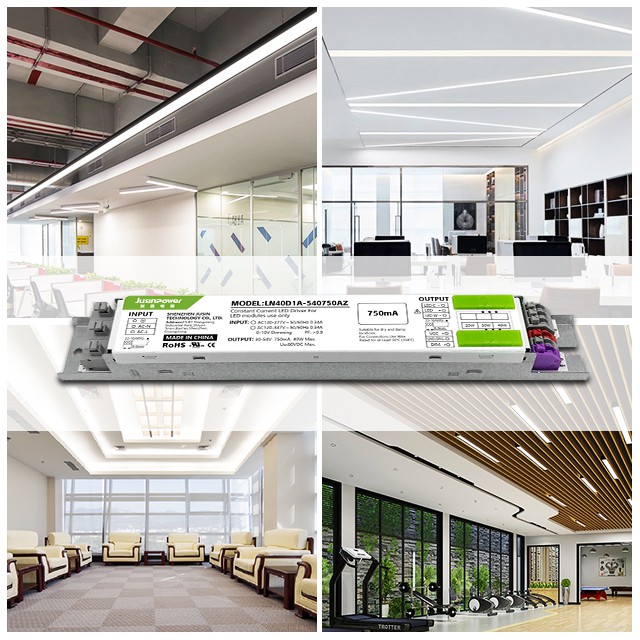
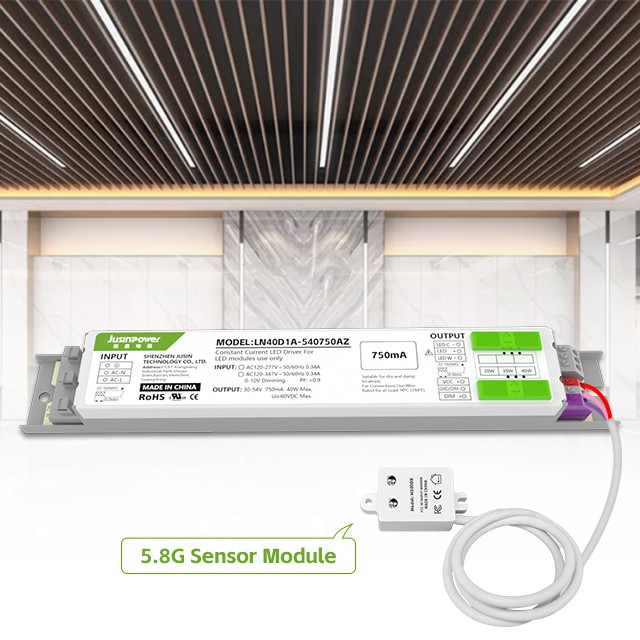
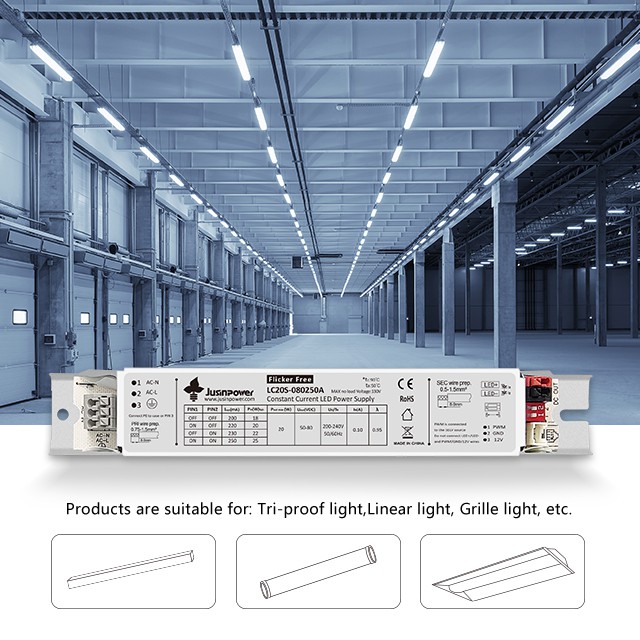
Type and Number
Determine the quantity and type of LED lights required for your installation, along with the desired arrangement. Opt for a constant-current LED driver when connecting lights in series, such as ground and decking lights. Alternatively, choose a constant-voltage LED driver for parallel wiring configurations, such as with LED tape or commercial LED strip lights.
Wattage Rating
Verify that the LED driver's wattage rating exceeds or equals the total wattage of all connected lights. For example, if you have a driver powering five 3-watt outdoor strip lights, ensure the driver has a minimum wattage rating of 15 watts. When working with LED tape, calculate the required wattage by multiplying the length of the tape by the wattage rating per meter. For instance, if the tape operates at 15 watts per meter and the total length is 3 meters, your LED driver should have a minimum rating of 45 watts.
Milliamp Rating
It's crucial to match the milliamp rating of your LED lights with that of your LED driver. Electrical current is typically measured in amps and milliamps. Among various milliamp ratings for LED lights, the most prevalent ones are 350mA and 700mA.
Output Voltage
Verify the compatibility of the input voltage for your LED light and the output voltage of the LED driver before connecting them to prevent damage. Some constant-current LED drivers operate within a voltage range of 6 volts to 24 volts, catering to specific types of LED lights. However, it's essential to note that their compatibility is not universal.
Power Requirements
You need to consider the power requirement of your LED drivers on the three basic pointers. First, consider the voltage requirements of your lighting if your LED light needs 12 volts to work, then you should get a 12-volt driver. Secondly, check whether the voltage supply of your home or office is supported by an LED driver or not. Generally, home voltage supply is 120 volts, and commercial places of 277 volts, but you can check with your electrician to be sure. Lastly, you should consider the wattage requirement of your lights and always select the driver's higher wattage than your lights.
Check Dimming Status
Both types of external LED drivers come with dimming capabilities, but it is important to check while ordering the driver that dimming capabilities are mentioned on the box. If the specification of the driver dimming isn't mentioned at all, then you can't expect the product to perform any dimmable activities. Dimmable external drivers further require an external dimmer or any other sort of device to control the dimmer.
Check IP Ratings
The IP rating of the driver tells the environment protection criteria. The first number of IP rating defines the protection against solid objects and the second number describes the protection against water components. Like, if the IP rating of the driver is 0, then the product isn't protected against water or solid elements, but when the IP rating is 68, then the product is fully protected against water and solid objects.
High Efficiency
Another important aspect that you have to consider while purchasing LED drivers would be checking the efficiency of the product. The efficiency factor of the driver is expressed in percentages and shows how much of the input power the driver can use to power the LED. Generally, the efficiency of an LED driver is ranked between 80-85%, however, UL Class 1 drivers that have the potential to run multiple LED bulbs are considered the most effective.
Think over the Power Factor
Lastly, you need to consider the power factor of a driver before getting it. The power factor defines how much real power loads to put the driver on the work. The range of power factor falls between -1 and 1 which means the driver with power factor near to 1 will be more efficient. The most conventional power factor in LED drivers is 0.9 or above.
Certifications
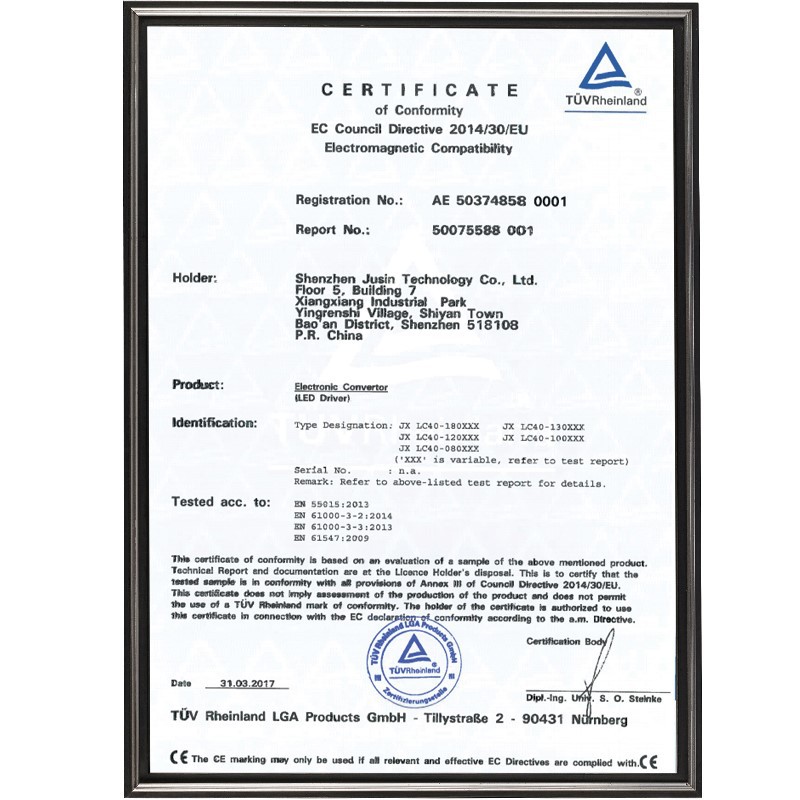
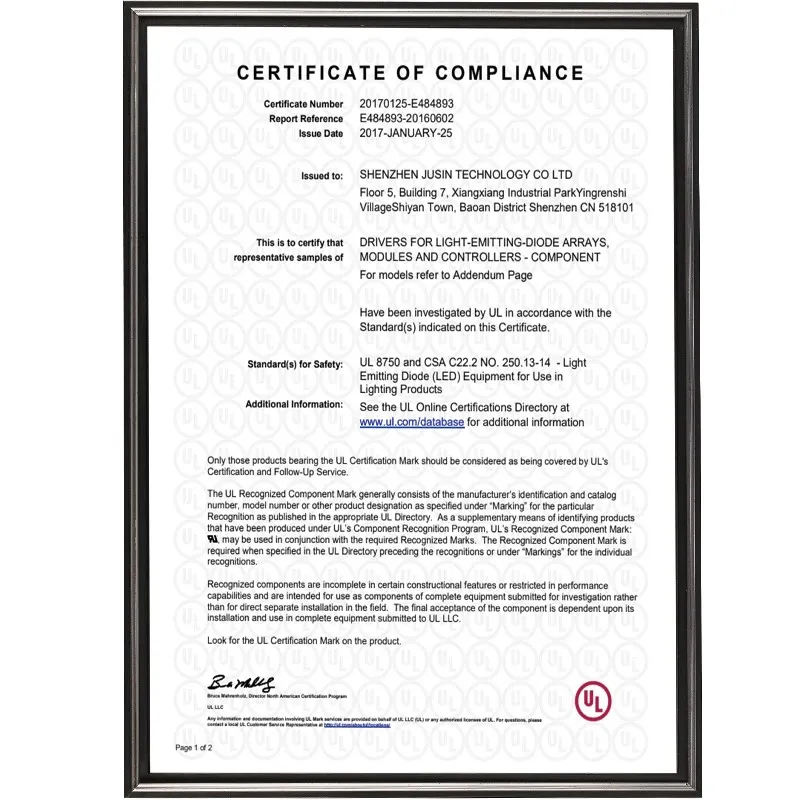
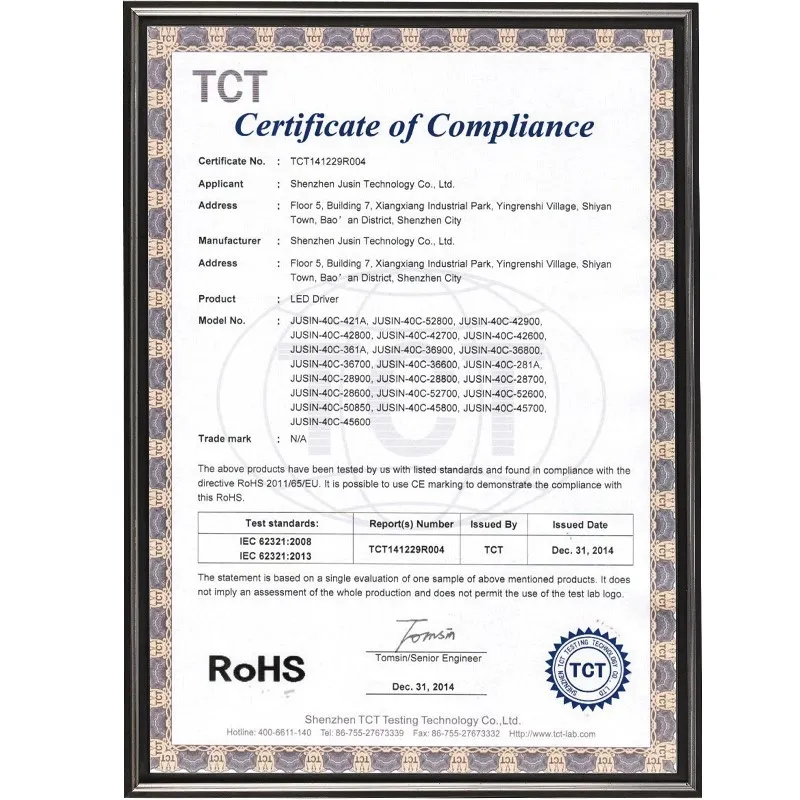
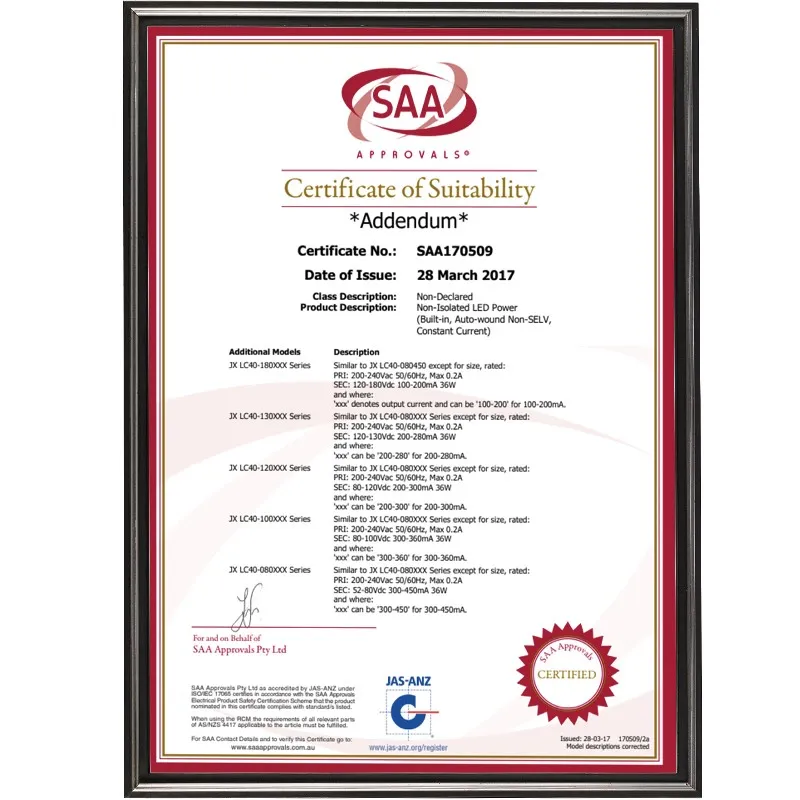
We are a LED drive manufacturer headquartered in Shenzhen city, China. We have set up a branch in Taiwan, and possess a 4000 square meters factory.
FAQ
Hot Tags: pwm dimmable led sensor driver, China pwm dimmable led sensor driver manufacturers, suppliers, factory, input 277Vac, Non isolated 0 10v Dimming Driver, color temperature, constant current tunable driver, smart light controller, no strobe effect
LC20S
|
Performance |
||
|
Model |
LC20S-800250 |
|
|
Input |
Efficiency |
85%@220Vac full load |
|
Voltage |
200-240Vac |
|
|
Frequency Range(Hz) |
50Hz |
|
|
Power Factor |
≥ 0.95@230Vac full load |
|
|
THD(full load) |
<20%@230Vac full load |
|
|
AC Current(max) |
0.1A@230Vac full load |
|
|
Standby power |
<1W |
|
|
Inrush current (cold engine start) max |
9.8A@230Vac |
|
|
peak value |
10.05A@230Vac |
|
|
Leakage current (max) |
0.11mA |
|
|
Output |
Current(mA)/Voltage (VDC) Power(W) |
50-80Vdc/250mA/20W |
|
Current ripple |
<5% |
|
|
Linear Regulation |
±5% |
|
|
No-load output voltage |
<100V |
|
|
Start Time |
<1S@230V |
|
|
auxiliary voltage |
12V/100mA |
|
|
Dimming range |
10%-100%(optional) |
|
|
Protection |
Over Temperature |
When temperature is too high,shut down the output, Recovers automatically |
|
Over load |
Hiccup, when the output power exceeds ,then,recovers automatically after fault removed |
|
|
Short Circuit |
Close output,recovers automatically after fault removed |
|
|
Physical |
|
|
Length |
199 mm |
|
Width |
31 mm |
|
Height |
21.5 mm |
|
Mounting Length |
196mm |
|
Weight (g) |
143.5g |
|
Environmental |
|
|
Operating Temperature |
-20°C to 50°C |
|
Storage Temperature,Humidity |
-20°C to 85°C,20-90%RH |
|
Case Temperature |
TC=90℃ |
|
Warranty Tc |
85°C max for 50k Hr Life |
|
Surge protection |
L-N 1KV , L/N-FG 2KV |
|
IP Rating |
IP20 |
|
Material |
Iron shell |
|
Certificate |
CE /TUV/3C/CB/SAA certificate |
|
Series Driver |
|||||||
|
Model |
Max Power |
Input Voltage |
Output Voltage |
Output Current |
Power Factor |
Power Regulation |
Efficiency |
|
LC20S-080250 |
22W |
200-240Vac |
50-80Vdc |
250mA |
0.9 |
Adjustable |
84% |
|
LC40S-120500 |
40W |
200-240Vac |
50-120Vdc |
350-500mA |
0.9 |
Adjustable |
89% |
|
LC60S-170500 |
60W |
200-240Vac |
72-170Vdc |
350-500mA |
0.9 |
Adjustable |
92% |
|
LC70S-190500 |
75W |
200-240Vac |
72-190Vdc |
250-500mA |
0.9 |
Adjustable |
92% |