
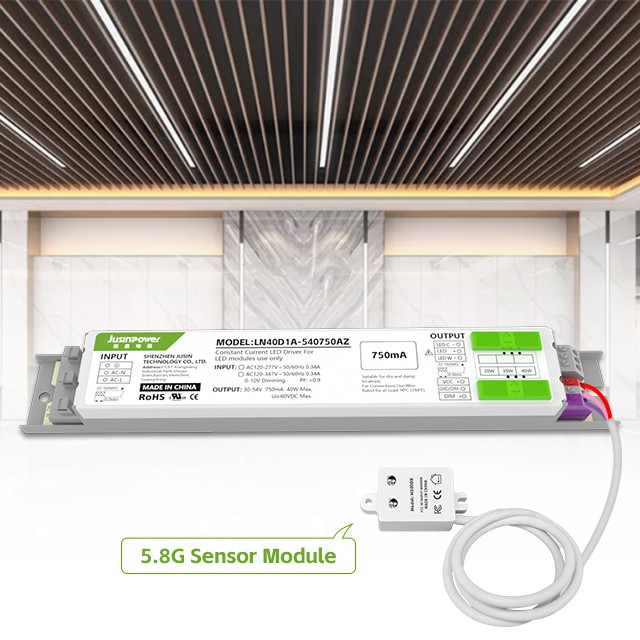
Our company was established in 2012 and is a national high-tech enterprise. We mainly take charge of R&D, production, sales, and service of LED drivers. We have over 1000 clients worldwide and over 3 million output every year. Our products have been sold worldwide, such as in Thailand and USA.
Custom Service
We can customize the lamp structure, required functions, parameters, etc. Also, we provide OEM&ODM services and a one-stop solution including a full design, manufacturing, and after-sales.
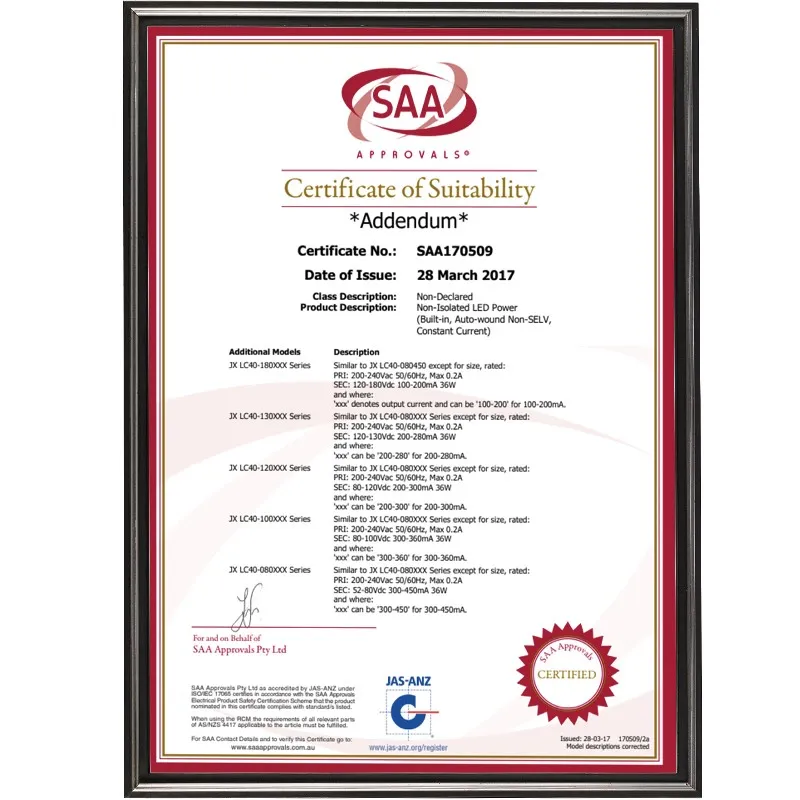
Complete Certification
The company has passed the "ISO9001:2015" quality management system certification as well as the certificate of national high-tech enterprise. The products are compatible with multi-national certifications, including China CQC certification and international UL, CUL, TUV, ROHS, CE, CB, SAA, FCC, CCC, etc.
Strong Production Ability
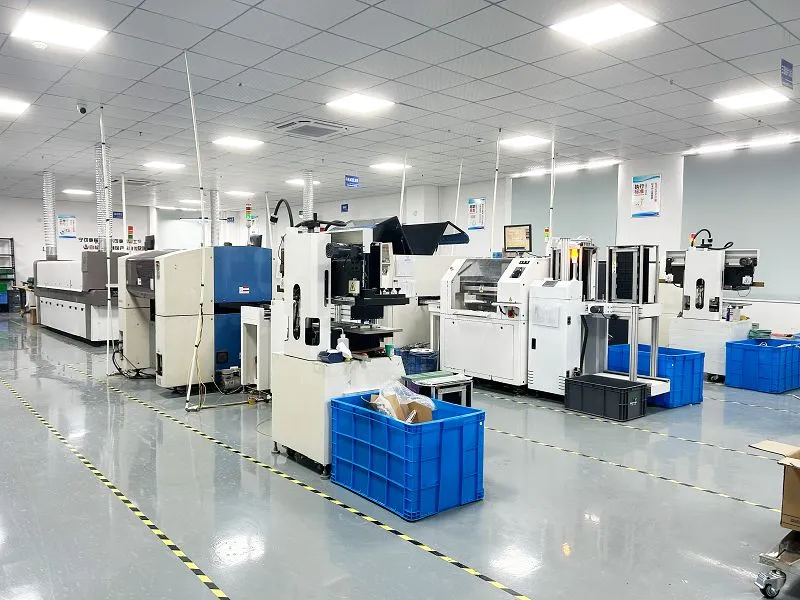
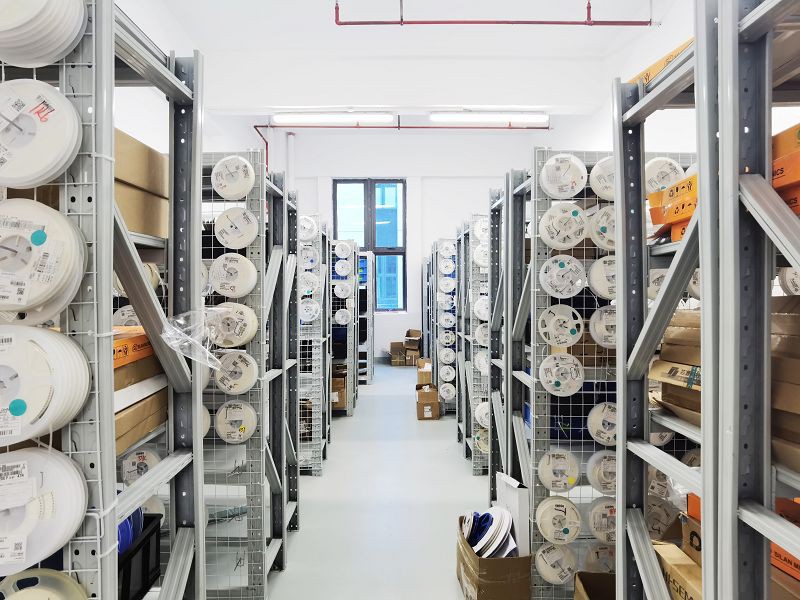
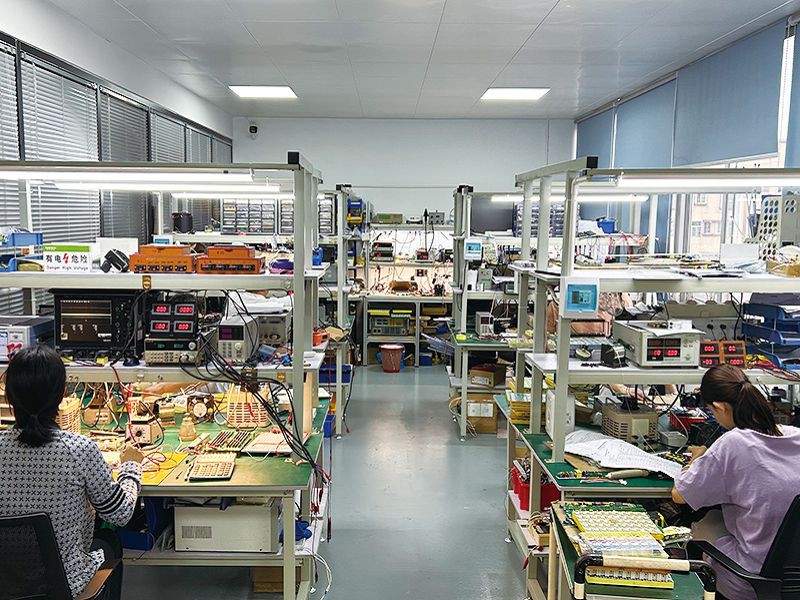
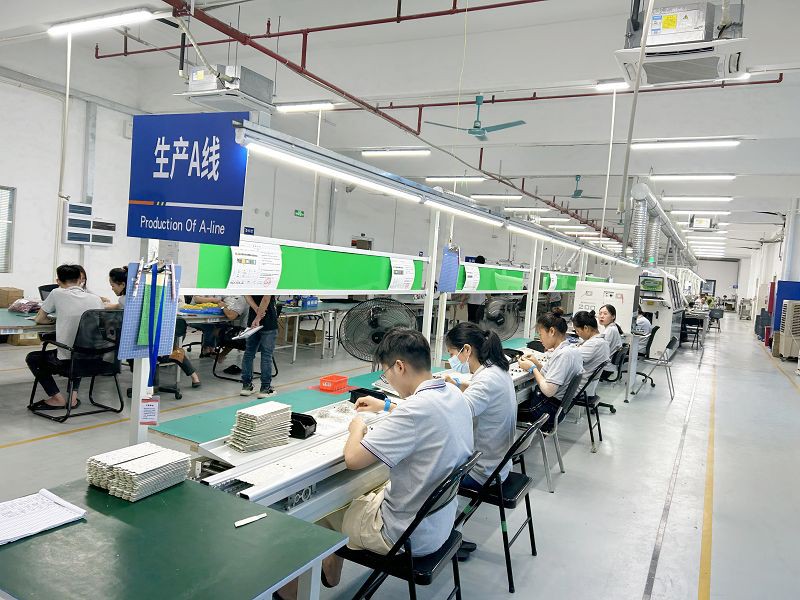
With a 4000 square meters factory in Foshan high-tech Zone, the company has 3 patch production lines and 3 plug-in production lines. There are around 100 employees and the annual capacity reaches 5 million shipments. Not only does the company have a professional R&D team of about 20 people, but also has advanced equipment to support such as SMT machines, automatic gluing machines, aged vehicles, reflow solder, and so on.
Professional Team
Most of the R&D team has 10 years of experience in the LED lighting industry. The team covers professionals from multiple fields including electronic engineering, optical design, and lighting engineering, providing comprehensive technical support to customers.
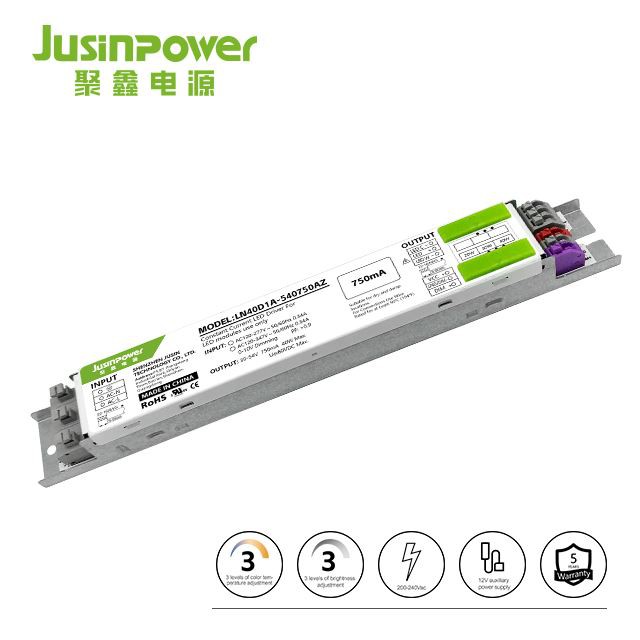
Non-Isolated Constant Current Sensor Driver
Non-isolated LED driver does not have transformer isolation like an isolated LED driver, which prevents the surge voltage from flowing to the secondary side and causing damage to the LED.
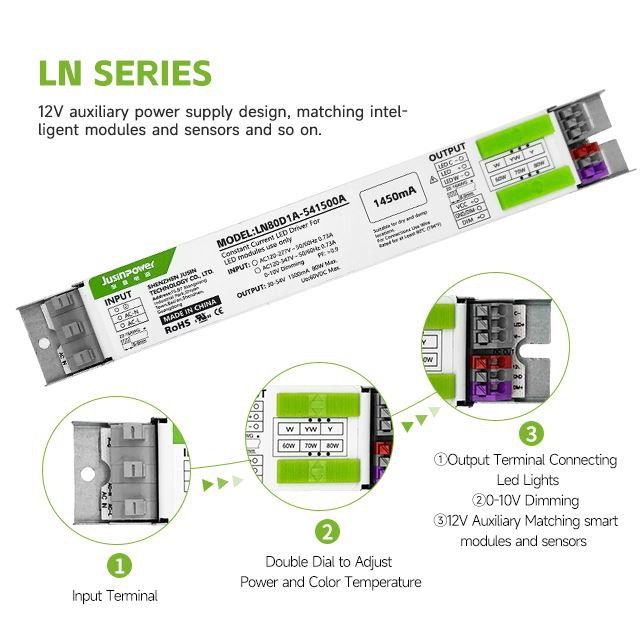
3CCT means there are 3 colors control temperature options for LED light fixture control, you can turn to variable light color by switching to a different mode set. There are three levels of brightness including low, medium, and high levels.
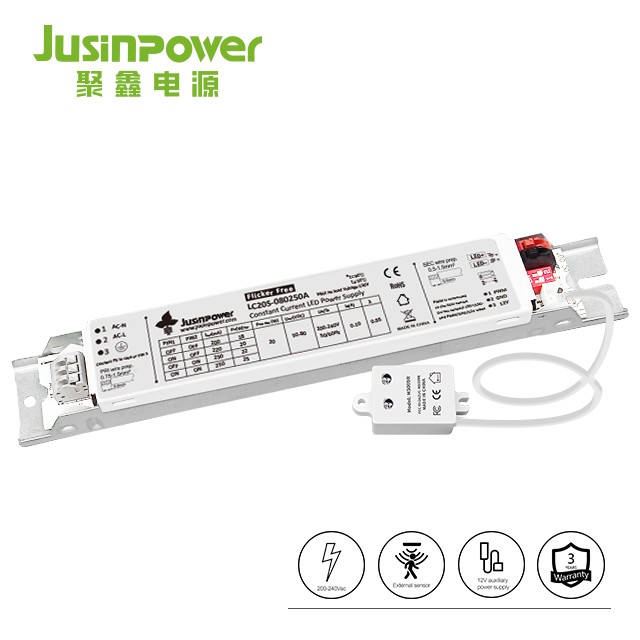
PWM Dimmable LED Sensor Driver
PWM stands for pulse width modulation. PWM offers a full range of brightness by varying how much time the signal is high (ON) or low (OFF). This product has 4 grade light to adjust without flicker.
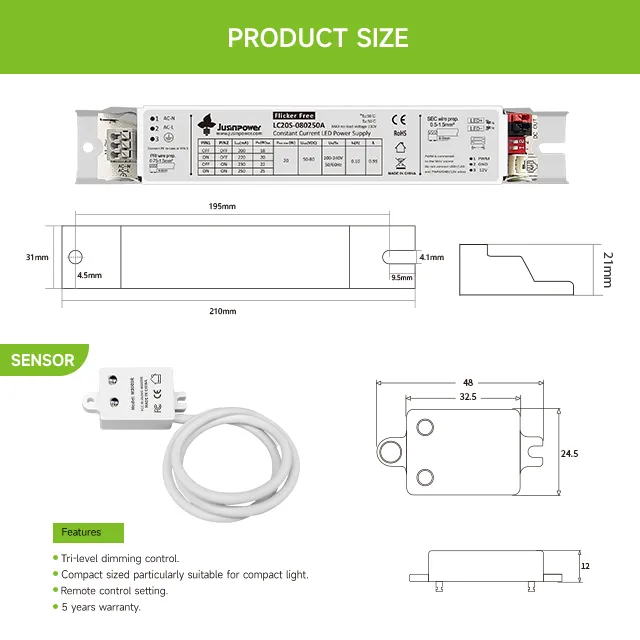
It has a 5.8GHz microwave motion sensor with dimmable function and has a length for 199mm, a width for 31 mm, and a height for 21.5mm. With 4 levels of brightness and infrared remote control, you can easily adjust light. Its main feature is keeping constant and abundant light when people is inside.
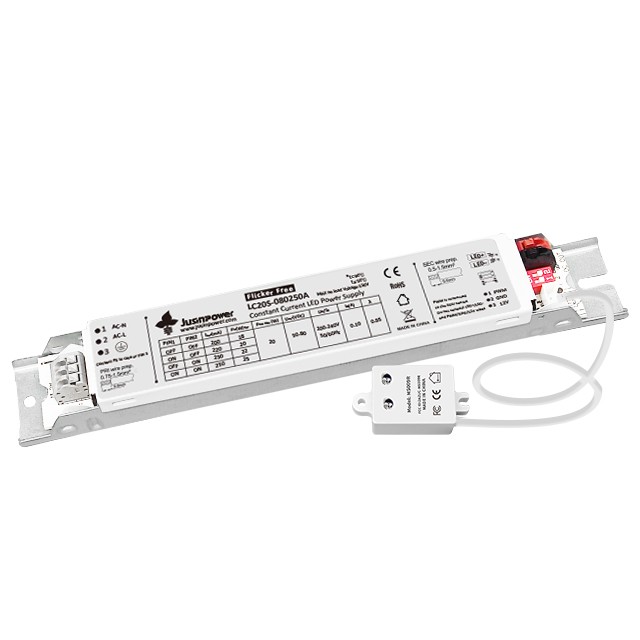
The 22W sensor driver is a non-isolated power designed for constant current. With 250mA output currency and flicker-free features, it is especially suitable for warehouse, parking lot, and corridors.
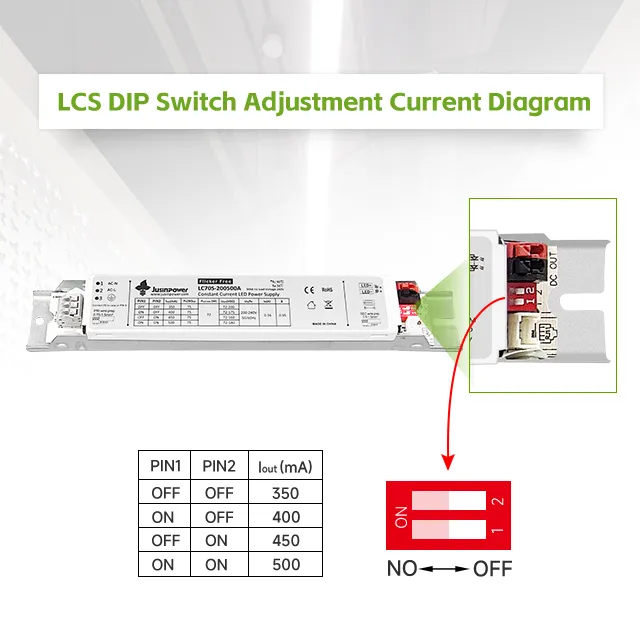
The 40W sensor driver has 350-500mA output currency and is a non-isolated constant current power. Users can adjust output current by a dial switch. It is suitable for various lamps.
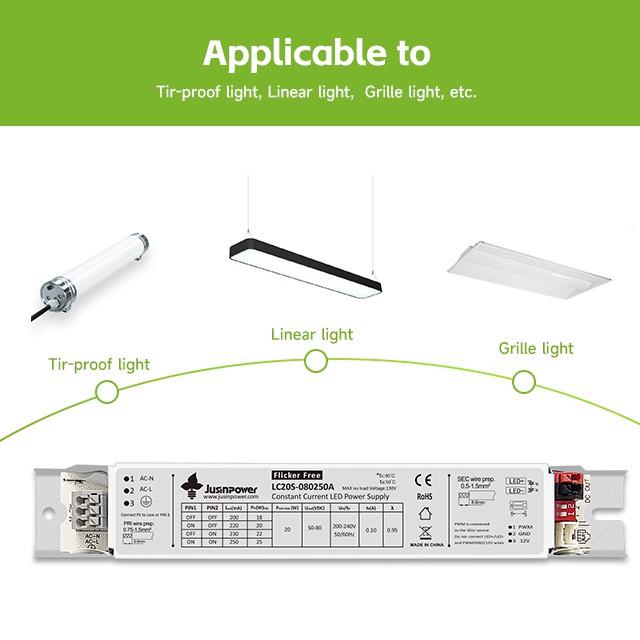
The product has a slim and elaborate size, and especially suitable for narrow spaces. With a long metal case, it has a good function of dissipation. It is a non-isolated and single-voltage power.
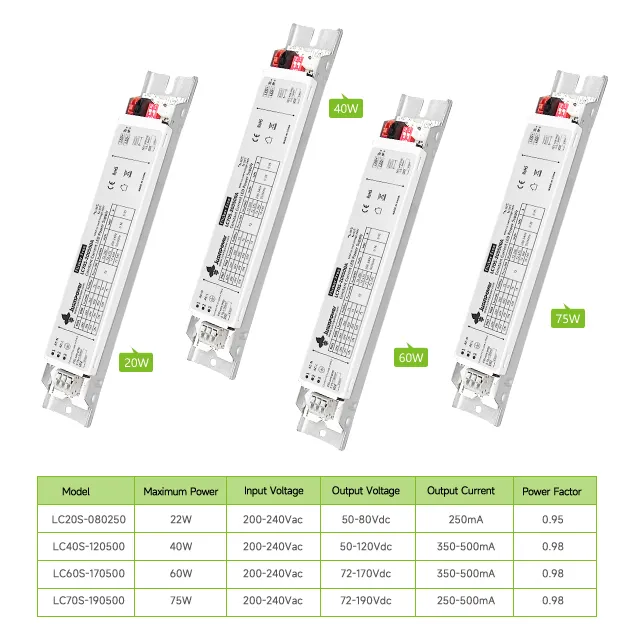
Sensor Drivers For Linear Lights
The product has four kinds of watt to choose, include 22W, 40W, 60W, 75W. You can adjust the current by a dial switch. With the efficiency is as high as 92%, it can be used for linear lights, and plant lights. The driver has 4 levels of brightness to adjust and a 12V auxiliary power supply.
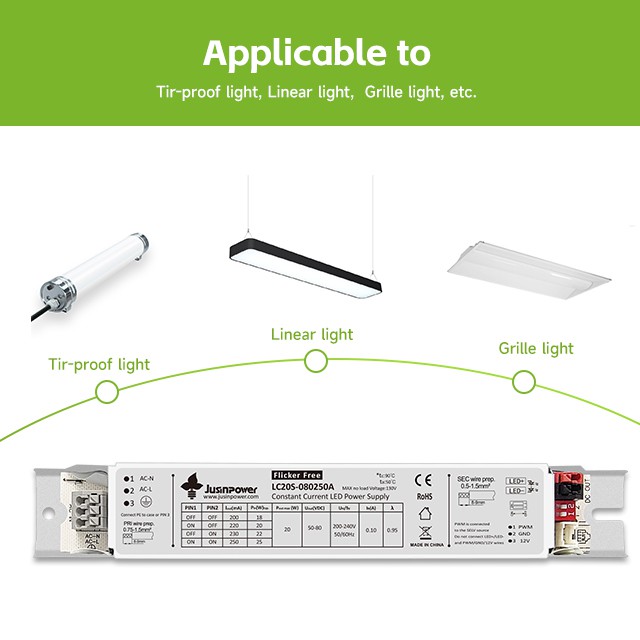
The product has passed the TUV/CA/SAA/VED certification. Its aim is keeping constant light when people is inside the cabin. The driver's compatibility with 200-240VAC input voltage makes it suitable for use in a variety of locations, including commercial and residential settings.
A non-isolated LED driver is an LED driver that is not electrically isolated from the input power source or the load. Non-isolated LED drivers are simpler and less expensive than isolated LED drivers, but they do not provide the same level of safety or reliability. Non-isolated drivers can operate in a wide range of voltages from just a few volts in a simple LED bulb or solar light to 200dc in a 150w commercial LED Fixture range in a commercial fixture.
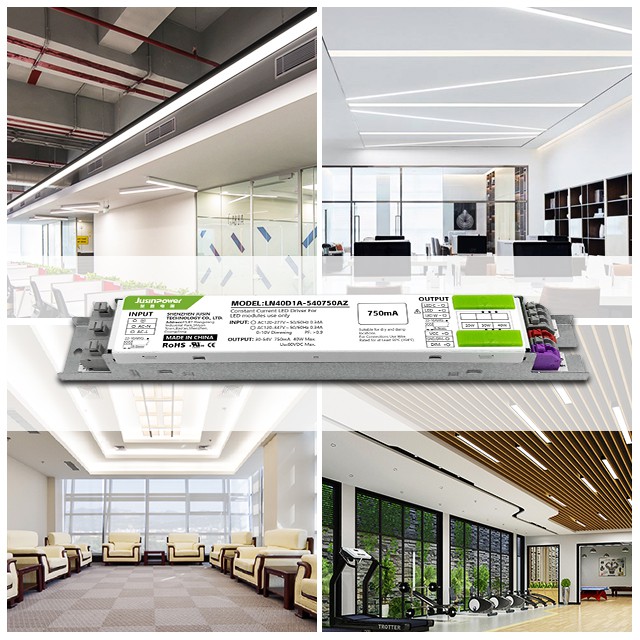
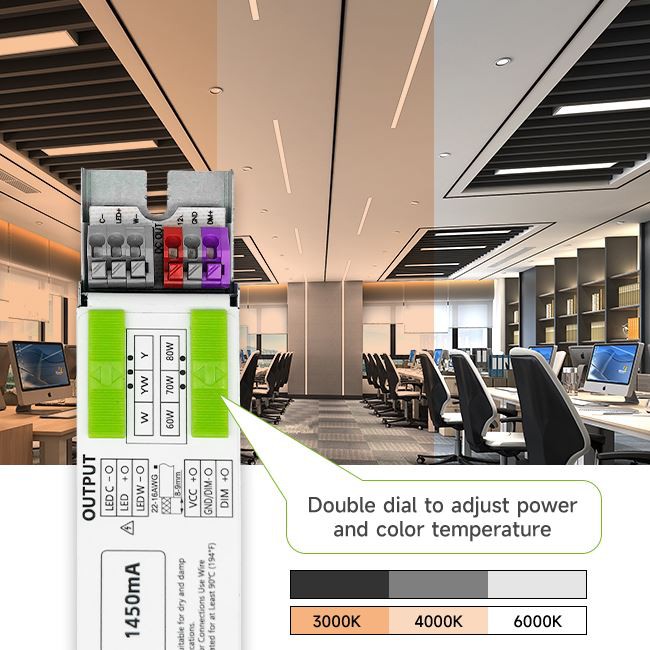
Labeling
Non-isolated LED driver may be labeled with terms like 'Non-isolated' or similar to indicate the lack of electrical isolation.
Housing Design
Non-isolated LED drivers often have smaller housings due to the absence of isolation components. Additionally, there may be no additional safety markings on the housing.
Terminal Identification
While input and output terminals may be labeled, there won't be an emphasis on electrical isolation, as there are no isolation components on non-isolated LED drivers.
Benefits of Non-isolated LED Driver
Efficiency
The efficiency and regulation of non-isolated converters also tend to be better than that of an isolated converter. The transformer and opto-couplers again are major contributors to the difference in performance. The absence of an isolation barrier allows for the output to be directly sensed and tightly controlled for better regulation and transient performance. Their small size also allows them to be placed closer to the load to reduce the transmission line effects.
Cost-Effectiveness
Non-isolated LED drivers are a recommended option for projects with a tight budget because they are typically cheaper to develop and buy.
Compact Size
Non-isolated LED drivers typically have smaller, more compact sizes due to their streamlined designs, making them ideal for applications with confined space.
Versatility
Non-isolated LED drivers can be used in various applications, especially those with lower safety requirements and cost considerations, such as industrial and outdoor lighting.
Voltage Fluctuations
Due to the lack of electrical isolation, non-isolated LED drivers may experience voltage fluctuations at the output terminal directly influenced by input voltage variations, potentially leading to output voltage instability.
Voltage Regulation
LEDs require a specific voltage to operate effectively and safely. LED drivers regulate and stabilize the voltage supplied to the LEDs, ensuring that they receive the correct voltage range for optimal performance and longevity.
Current Control
LEDs are current-driven devices, meaning they require a constant current to operate efficiently. LED drivers manage the current flow to the LEDs, providing a consistent and steady current to ensure uniform brightness, color accuracy, and reliability.
Compatibility
LED drivers bridge the gap between the electrical system and the LED lighting fixtures. They ensure compatibility by converting the input voltage from the power source (e.g., AC mains) to the appropriate voltage and current levels needed by the LEDs.
Energy Efficiency
LED drivers contribute to energy efficiency by converting the power supply to a lower voltage and regulating the current flow. They minimize energy losses and optimize power consumption, allowing LEDs to operate at their highest efficiency levels.
Dimming and Control
LED drivers enable dimming and control capabilities for LED lighting systems. They provide the necessary circuitry to facilitate smooth dimming functionality, allowing users to adjust the brightness and create different lighting atmospheres.
Protection and Safety
LED drivers incorporate various protection features to safeguard the LEDs and the driver itself. These features can include over-voltage protection, over-current protection, short-circuit protection, and temperature monitoring. LED drivers ensure the safe and reliable operation of the LED lighting system.
Compatibility with Electronic Control Systems
LED drivers often have compatibility with electronic control systems, such as lighting control protocols (e.g., DALI, DMX) or smart home automation systems. This enables integration and synchronization of LED lighting with other devices or systems, providing enhanced functionality and control.
Constant Current Drivers
These LED drivers maintain a constant current and vary the voltage depending on the load of the LED. They're typically used when LEDs are connected in series.
Constant Voltage Drivers
These LED drivers supply a constant voltage and allow the current to vary based on the load. They're generally used when LEDs are wired in parallel.
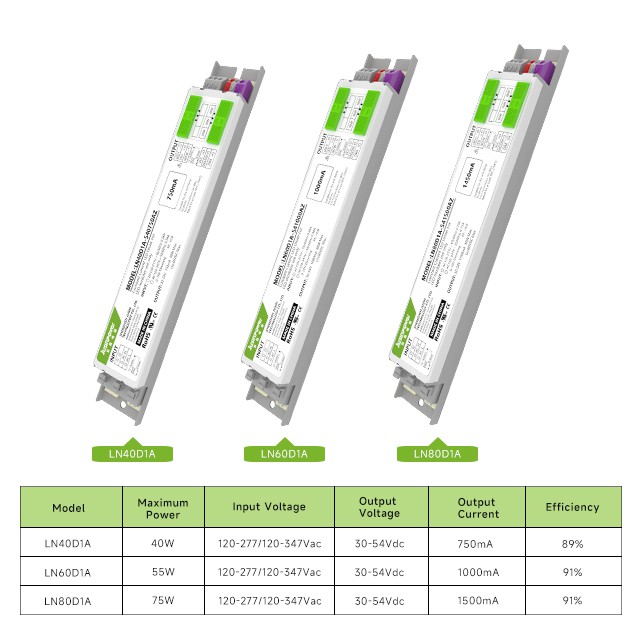
Common Areas Where LED Drivers are Used
Residential Lighting
LED drivers are used in residential lighting fixtures, including LED bulbs, downlights, track lights, and under-cabinet lights. They provide the necessary power and regulate the current to ensure the LEDs operate efficiently and with the desired brightness.
Commercial and Office Lighting
LED drivers are widely used in commercial and office spaces for general lighting, task lighting, and accent lighting. They are found in recessed lights, panel lights, troffers, and linear fixtures to power and control the LED modules.
Street and Outdoor Lighting
LED drivers are utilized in streetlights, parking lot lights, and outdoor floodlights. They regulate the current and voltage to ensure consistent and reliable performance of the LEDs, even in outdoor and harsh environmental conditions.
Automotive Lighting
LED drivers are an essential component in automotive lighting systems, including headlights, taillights, daytime running lights, and interior lighting. They provide the necessary power and control for the LEDs to achieve optimal brightness and functionality.
Signage and Display Lighting
LED drivers are commonly used in illuminated signs, channel letters, display boards, and digital signage. They enable precise control of the LEDs, ensuring uniform illumination and proper brightness levels.
Decorative and Architectural Lighting
LED drivers are employed in decorative lighting applications, such as strip lights, rope lights, and LED tape lights. They allow for the customization of colors, dimming capabilities, and dynamic lighting effects.
Industrial and Warehouse Lighting
LED drivers are used in high-bay lights, low-bay lights, and industrial fixtures for efficient and reliable illumination in warehouses, factories, and industrial facilities.
Entertainment and Stage Lighting
LED drivers play a vital role in entertainment and stage lighting systems, including concert lighting, theater lighting, and architectural lighting. They provide control over color mixing, dimming, and various lighting effects.
What to Consider When Choosing an LED Driver?
Type and Number
Determine the type and number of LED lights you'll be using in your setup and how they'll be arrayed. If your lights are wired in series, such as with ground lights or decking lights, you'll require a constant-current LED driver. If they'll be wired in parallel, such as with LED tape or LED strip lights, then you'll need to have a constant-voltage LED driver.
Milliamp Rating
You'll need to ensure that the milliamp rating on your lights matches the milliamp rating of your LED driver. Electrical current is measured in amps and milliamps. While there are some different milliamp ratings for LED lights, the most common are 350mA and 700mA.
Wattage Rating
Check to ensure that the wattage rating of your LED driver is greater than or equal to the total wattage of all lights wired to that driver. As an example, if you have five 3-watt ground lights wired to your driver, the driver must have a wattage rating of at least 15 watts. When using LED tape, you need to multiply the wattage rating per meter of tape times the length of the tape. As an example, if the tape is rated at 15 watts per meter and the total tape length is 3 meters, your LED driver will have to carry at least a 45-watt rating.
Output Voltage
Make sure that the output voltage of the LED driver is compatible with the input voltage of your LED light(s). Some constant-current LED drivers have a wide range of output voltage, such as 6 to 24 volts, making them more universal and compatible with many different LED lights. Constant-current LED drivers, however, may output a very specific voltage, which may not work with your LED lights. Damage may be caused by using incorrect voltage, so it's important to carefully check this.
Key Steps Involved in Repairing an LED Light Driver
Prepare the Tools and Equipment
Prepare all the necessary tools and equipment required for the repair process, including a multi-meter, desoldering pump, solder wick, wire cutters or strippers, soldering iron and solder, replacement components, and a screwdriver set.
Open the LED Light
Carefully remove the LED light cover or casing using a flat-head screwdriver to access the internal components. Ensure to keep the screws or clips on the side safely.
Identify the Problem
Identify the problem with the LED light driver to help you troubleshoot and locate the faulty components. Common issues include complete failure, flickering lights, dimming, or no output. Also, inspect the LED driver for visible damage signs, such as burnt components or loose connections.
Check the Capacitors and Diodes
Faulty capacitors and diodes are the leading cause of LED light driver issues. Look for capacitors with bulging or leaking electrolytes. Using a multimeter, test these components by checking their voltage readings to ensure their proper functioning.
Replace Faulty Components
Integrated circuits are critical components in LED light drivers. If you suspect faults in these components, desolder and replace them with new ones and ensure to align their pins correctly. It is advised to consult the data-sheet to understand the bespoke components' functionality and pin configuration for proper pins alignment.
Inspect and Repair Connections
Loose or damaged connections can disrupt the current flow, leading to LED light driver problems. Inspect all repair connections, including solder joints, cleaning older solder and wire connections. If there are loose connections, resell them to ensure a secure and reliable electrical connection.
Test and Reassemble the Repaired LED Light Driver
Once you have repaired or replaced the faulty components, reassemble the LED light driver. Double-check all connections to ensure they are secure and properly soldered.
Final Checks
Before reconnecting the power supply, perform a final test to confirm the LED driver is functioning correctly. Measure the output voltage and verify it matches the LED light's specifications.
Certifications
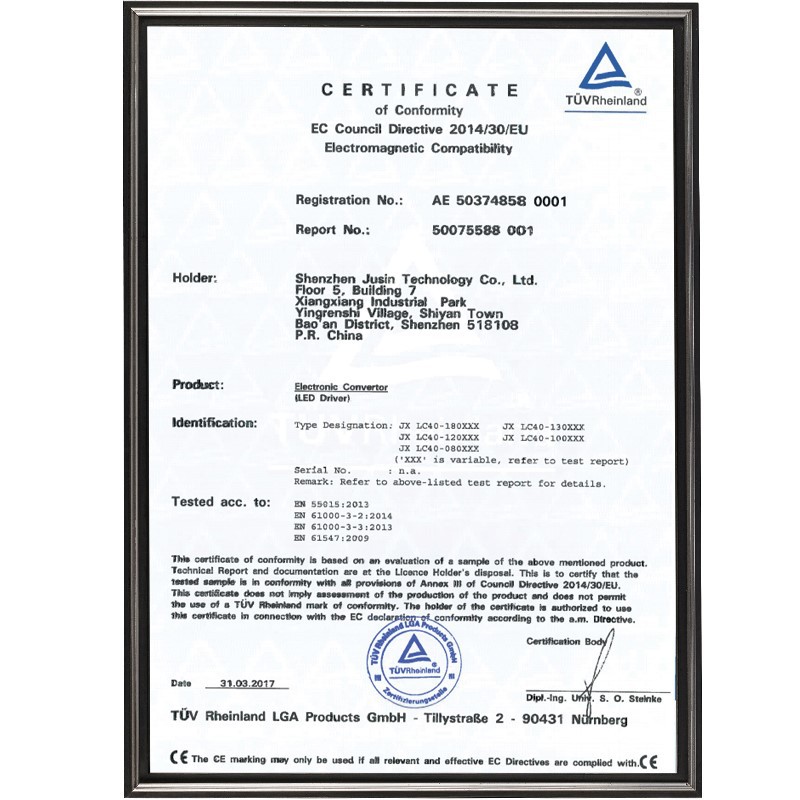
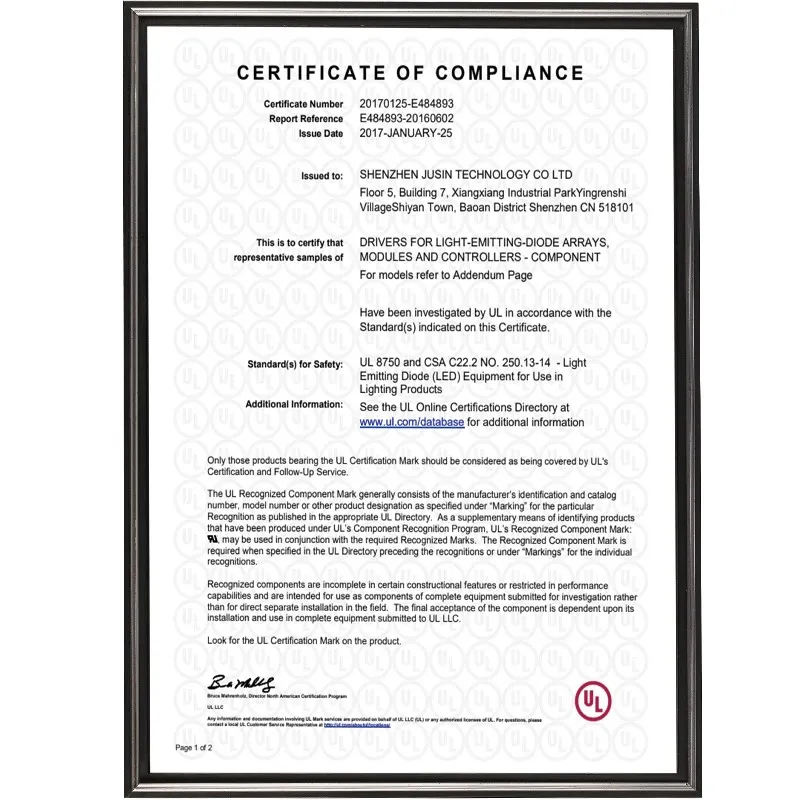
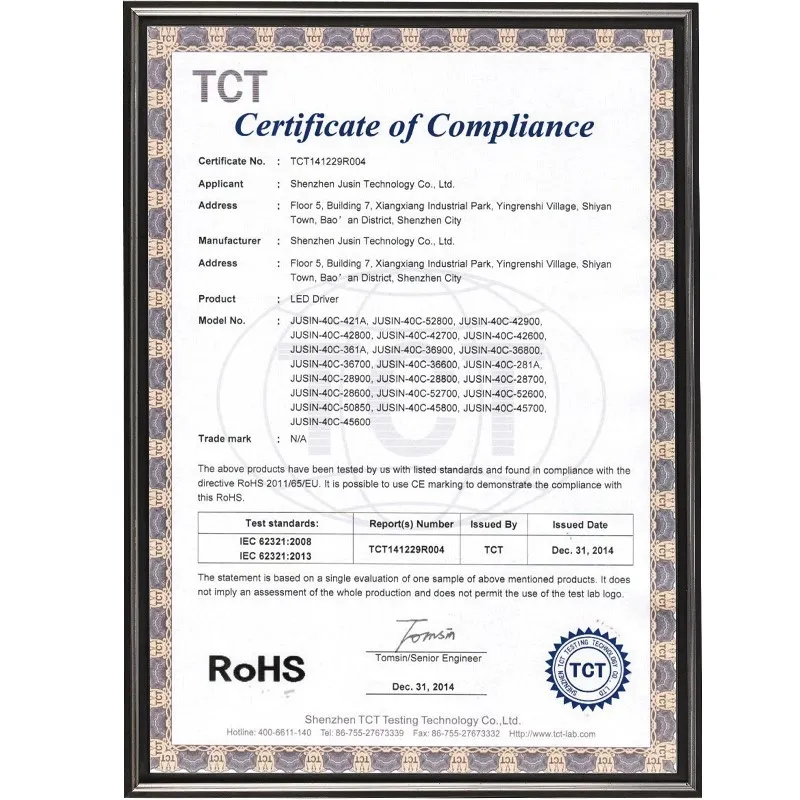
We are a LED drive manufacturer headquartered in Shenzhen city, China. We have set up a branch in Taiwan, and possess a 4000 square meters factory.
Frequently Asked Questions
Hot Tags: non-isolated flicker free sensor driver, China non-isolated flicker free sensor driver manufacturers, suppliers, factory, ultra wide output voltage, Light Management System, Dimmable LED Driver, 1 10v dimming, 5 CCT LED Driver, 3000k selectable
LC20S
|
Performance |
||
|
Model |
LC20S-800250 |
|
|
Input |
Efficiency |
85%@220Vac full load |
|
Voltage |
200-240Vac |
|
|
Frequency Range(Hz) |
50Hz |
|
|
Power Factor |
≥ 0.95@230Vac full load |
|
|
THD(full load) |
<20%@230Vac full load |
|
|
AC Current(max) |
0.1A@230Vac full load |
|
|
Standby power |
<1W |
|
|
Inrush current (cold engine start) max |
9.8A@230Vac |
|
|
peak value |
10.05A@230Vac |
|
|
Leakage current (max) |
0.11mA |
|
|
Output |
Current(mA)/Voltage (VDC) Power(W) |
50-80Vdc/250mA/20W |
|
Current ripple
|
<5% |
|
|
Linear Regulation |
±5% |
|
|
No-load output voltage |
<100V |
|
|
Start Time
|
<1S@230V |
|
|
auxiliary voltage |
12V/100mA |
|
|
Dimming range |
10%-100%(optional) |
|
|
Protection |
Over Temperature |
When temperature is too high,shut down the output, Recovers automatically |
|
Over load |
Hiccup, when the output power exceeds ,then,recovers automatically after fault removed |
|
|
Short Circuit |
Close output,recovers automatically after fault removed |
|
|
Physical |
|
|
Length |
199 mm |
|
Width |
31 mm |
|
Height |
21.5 mm |
|
Mounting Length |
196mm |
|
Weight (g) |
143.5g |
|
Environmental |
|
|
Operating Temperature |
-20°C to 50°C |
|
Storage Temperature,Humidity |
-20°C to 85°C,20-90%RH |
|
Case Temperature |
TC=90℃ |
|
Warranty Tc |
85°C max for 50k Hr Life |
|
Surge protection |
L-N 1KV , L/N-FG 2KV |
|
IP Rating |
IP20 |
|
Material |
Iron shell |
|
Certificate |
CE /TUV/3C/CB/SAA certificate |
|
Series Driver |
|||||||
|
Model |
Max Power |
Input Voltage |
Output Voltage |
Output Current |
Power Factor |
Power Regulation |
Efficiency |
|
LC20S-080250 |
22W |
200-240Vac |
50-80Vdc |
250mA |
0.9 |
Adjustable |
84% |
|
LC40S-120500 |
40W |
200-240Vac |
50-120Vdc |
350-500mA |
0.9 |
Adjustable |
89% |
|
LC60S-170500 |
60W |
200-240Vac |
72-170Vdc |
350-500mA |
0.9 |
Adjustable |
92% |
|
LC70S-190500 |
75W |
200-240Vac |
72-190Vdc |
250-500mA |
0.9 |
Adjustable |
92% |