
Our company was established in 2012 and is a national high-tech enterprise. We mainly take charge of R&D, production, sales, and service of LED drivers. We have over 1000 clients worldwide and over 3 million output every year. Our products have been sold worldwide, such as in Thailand and USA.
Custom Service
We can customize the lamp structure, required functions, parameters, etc. Also, we provide OEM&ODM services and a one-stop solution including a full design, manufacturing, and after-sales.
Complete Certification
The company has passed the "ISO9001:2015" quality management system certification as well as the certificate of national high-tech enterprise. The products are compatible with multi-national certifications, including China CQC certification and international UL, CUL, TUV, ROHS, CE, CB, SAA, FCC, CCC, etc.
Strong Production Ability
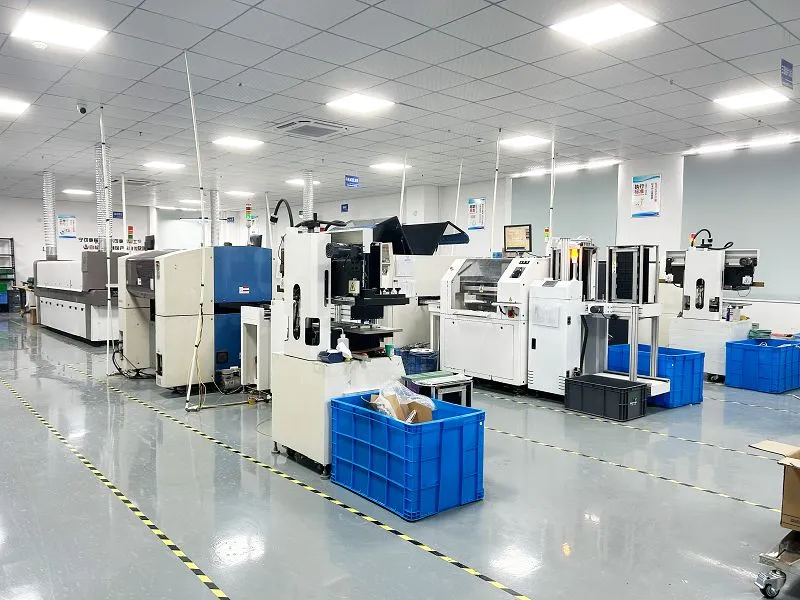
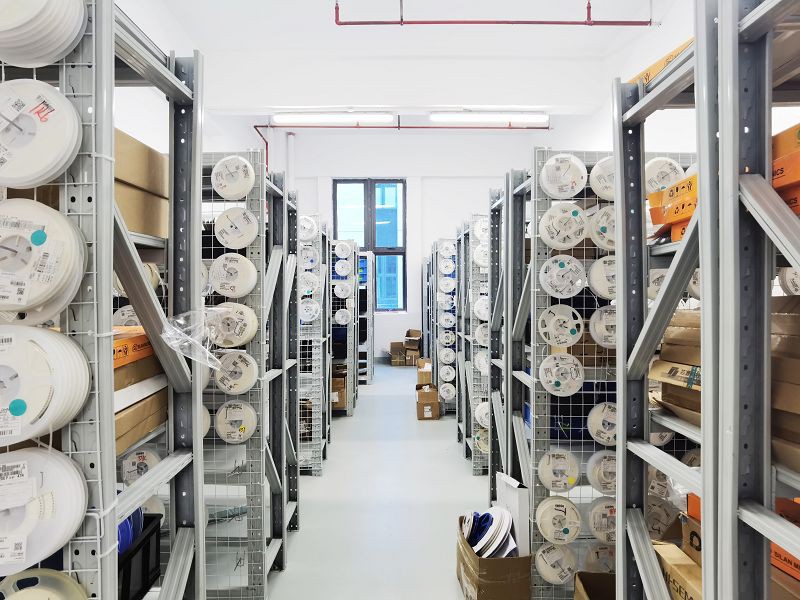
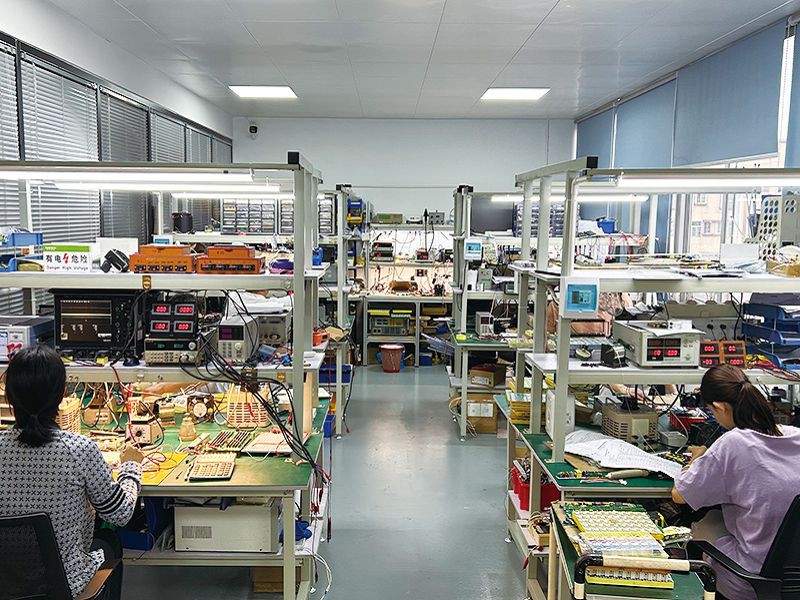
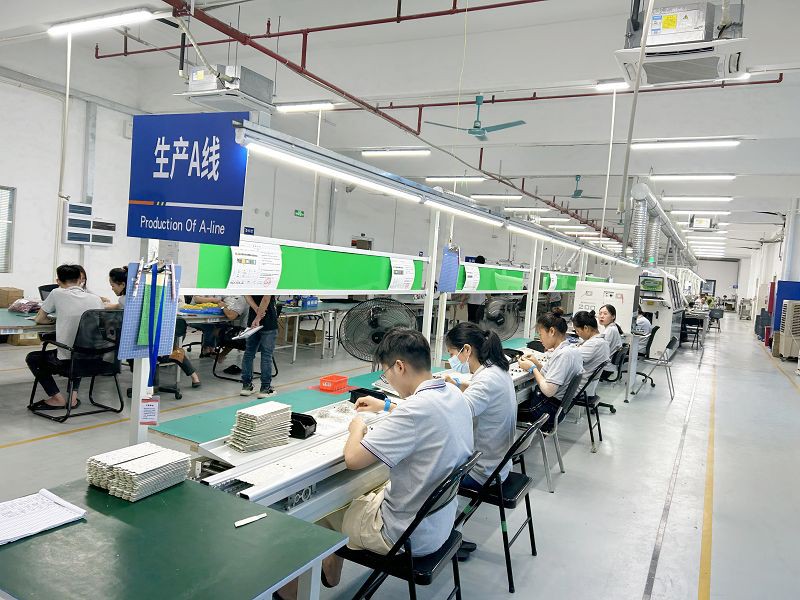
With a 4000 square meters factory in Foshan high-tech Zone, the company has 3 patch production lines and 3 plug-in production lines. There are around 100 employees and the annual capacity reaches 5 million shipments. Not only does the company have a professional R&D team of about 20 people, but also has advanced equipment to support such as SMT machines, automatic gluing machines, aged vehicles, reflow solder, and so on.
Professional Team
Most of the R&D team has 10 years of experience in the LED lighting industry. The team covers professionals from multiple fields including electronic engineering, optical design, and lighting engineering, providing comprehensive technical support to customers.
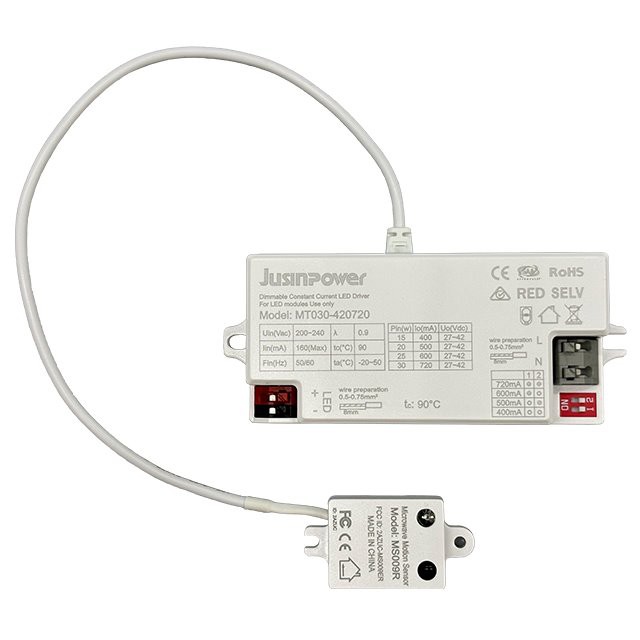
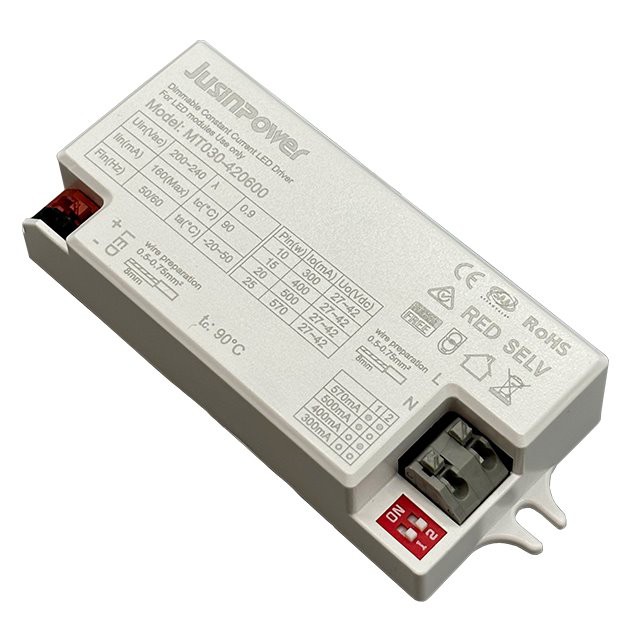
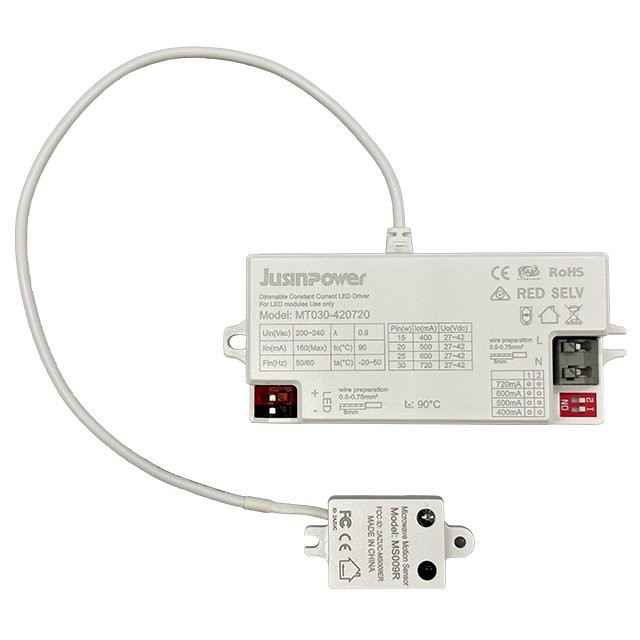
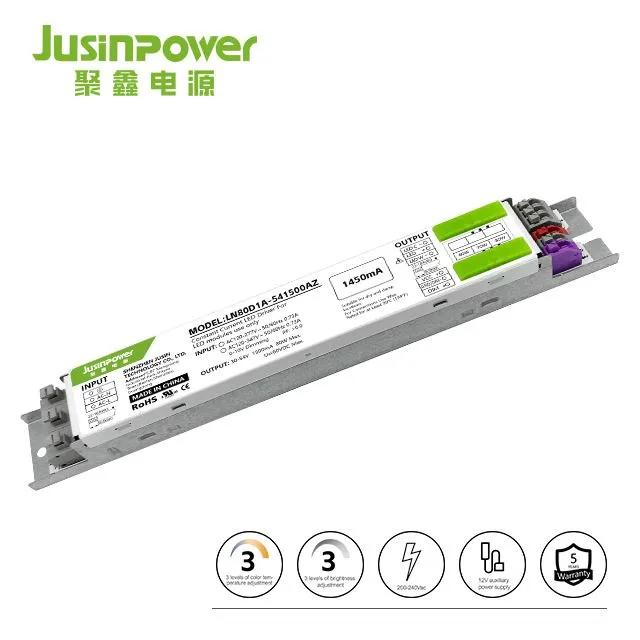
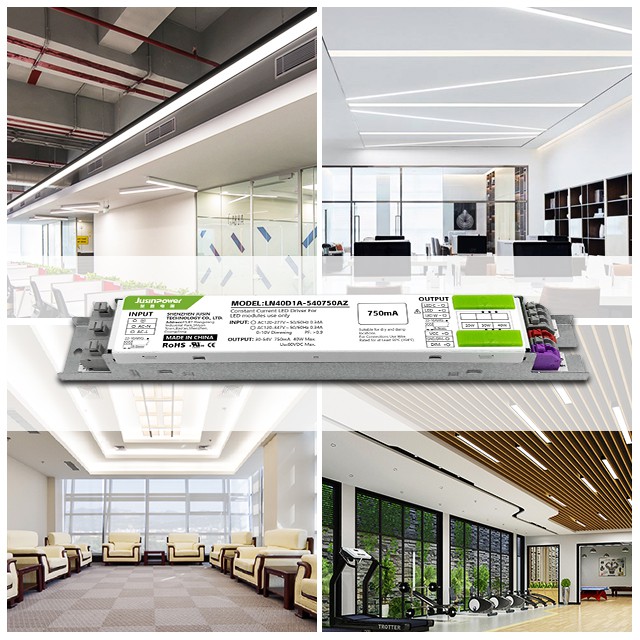
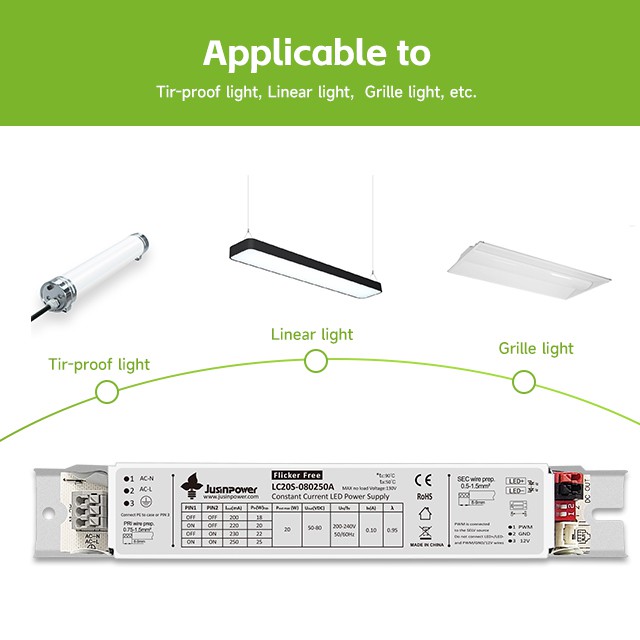
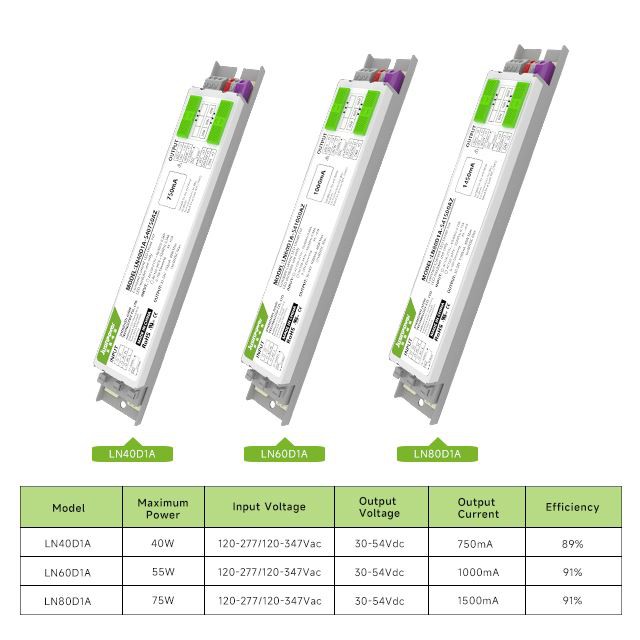
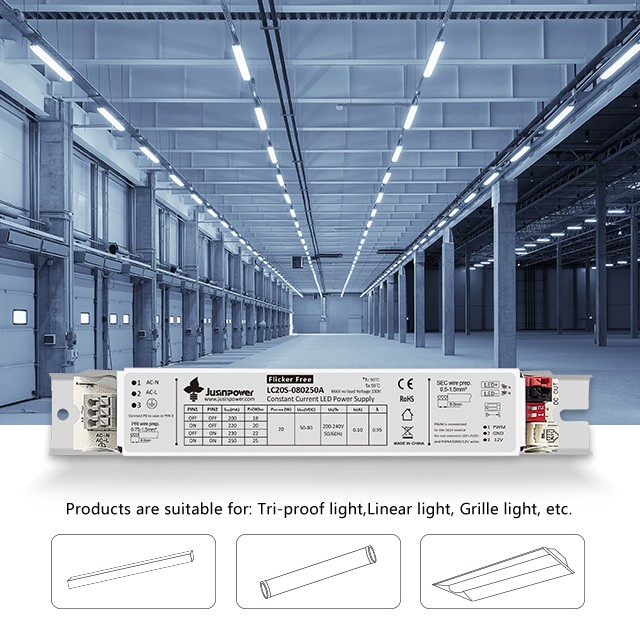
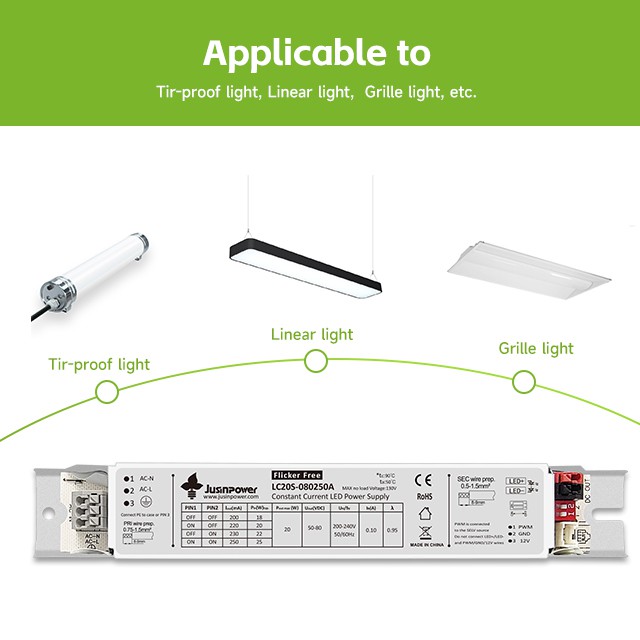
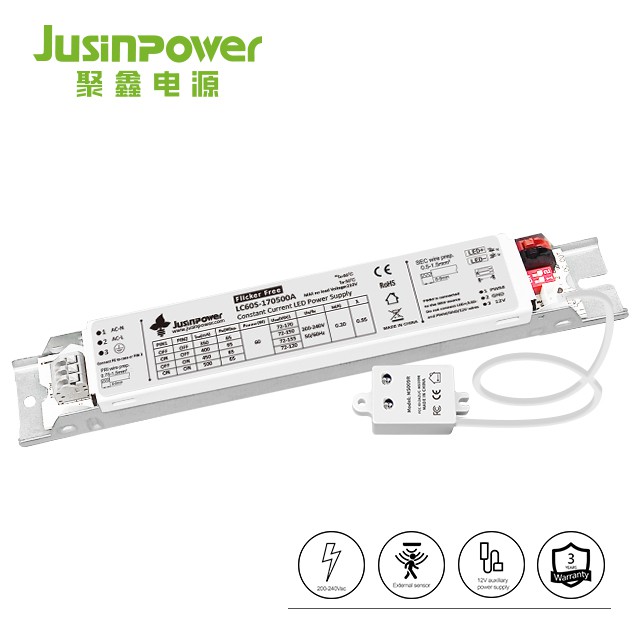
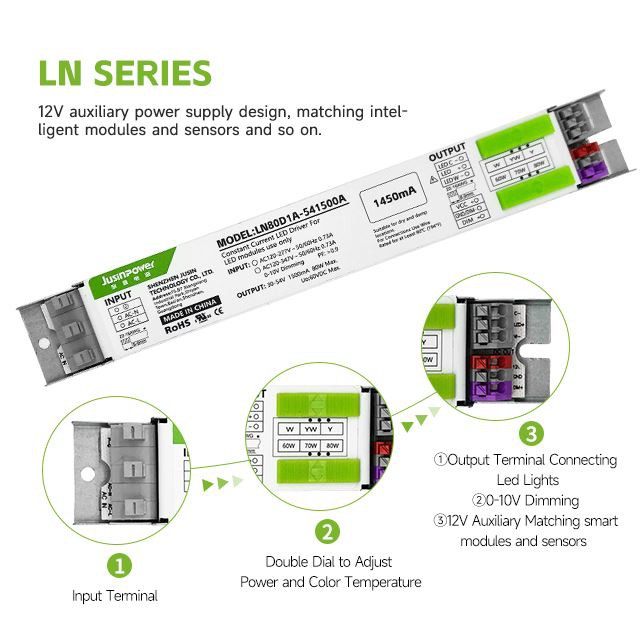
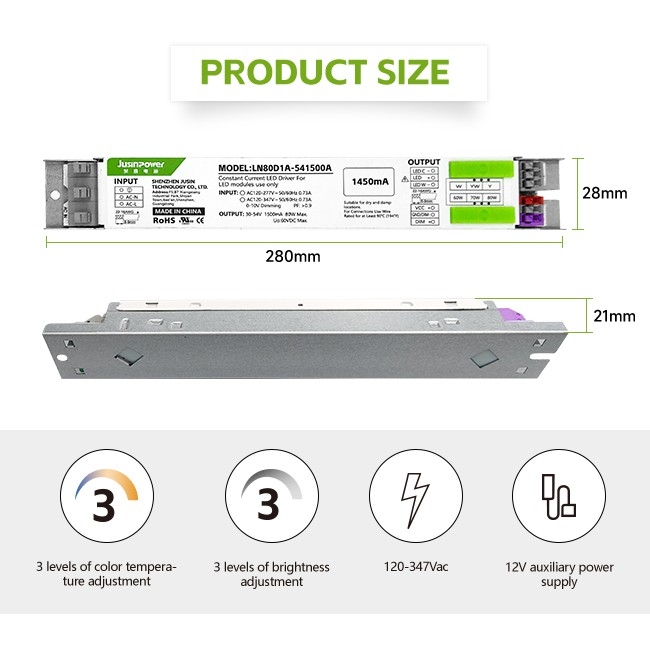
An LED driver is a device that regulates and supplies the optimal current and voltage to an LED light. An LED light is a type of lighting that uses light-emitting diodes (LEDs) as the source of light. LEDs are more efficient and durable than traditional bulbs, but they also have different power requirements. LEDs need a constant and precise amount of power to work effectively, as their properties change with temperature and age. An LED driver provides this power by converting the high-voltage alternating current (AC) from the building to the low-voltage direct current (DC) that the LED needs.
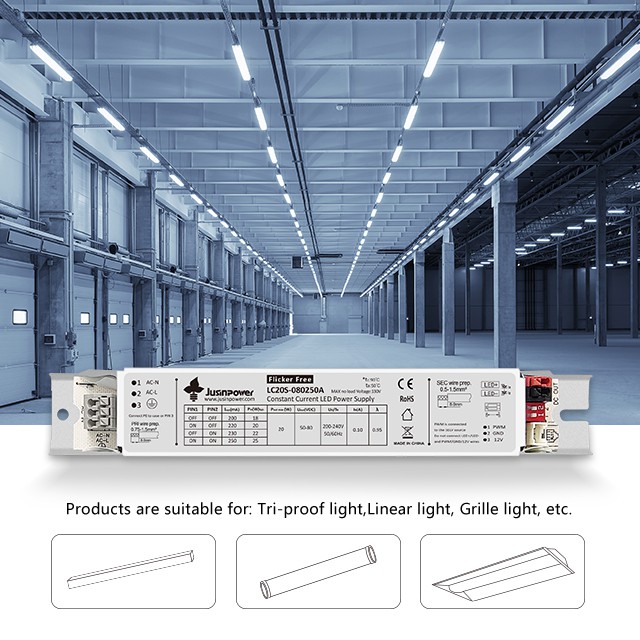
Advantages of Constant Voltage and Constant Current LED Driver
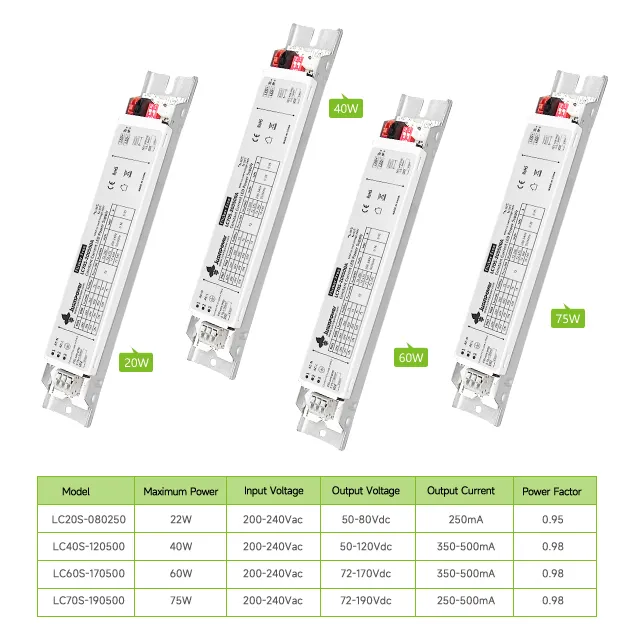
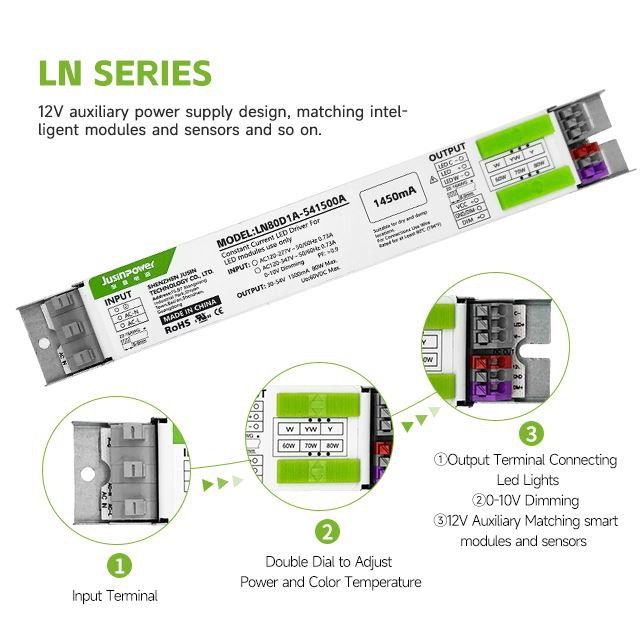
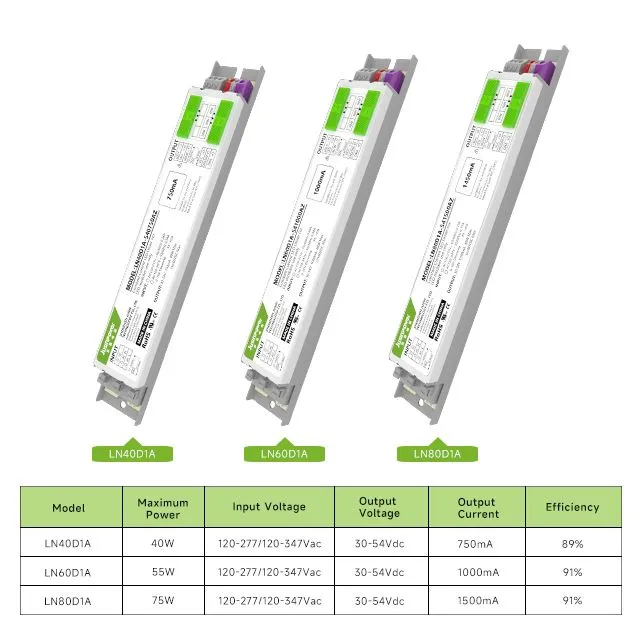
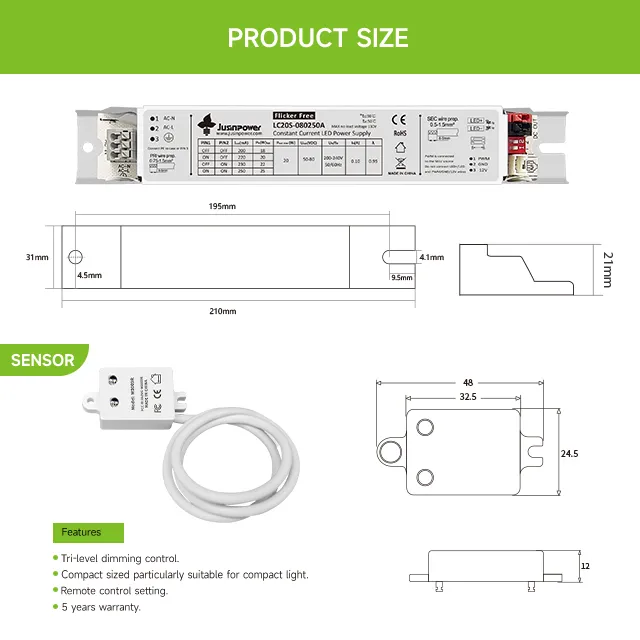
Advantages of Constant Voltage LED Drivers
Simplicity
Constant voltage LED drivers are relatively simple in design and easy to use. They typically consist of a simple voltage source and a current-limiting resistor, which makes them an attractive option for basic LED lighting applications.
Cost
Constant voltage LED drivers are generally less expensive than constant current drivers. This is because they have a simpler design, fewer components, and a lower component count.
Compatibility
Constant voltage LED drivers are often more compatible with a wider range of LED devices, as they do not require the precise control of current that constant current drivers do.
Advantages of Constant Current LED Drivers
Consistent Brightness
One of the biggest advantages of constant current LED drivers is that they provide consistent LED brightness. As the current supplied to the LED is held constant, the LED will maintain a consistent level of brightness, even if the voltage supplied to the LED circuit changes.
Increased Efficiency
Constant current LED drivers can result in more efficient operation of the LED, as they provide a consistent level of current to the LED, which helps to reduce power consumption and increase overall efficiency.
Increased Lifetime
Another advantage of constant current LED drivers is that they can increase the lifetime of the LED. By providing a consistent level of current to the LED, constant current drivers can help to reduce the stress on the LED, which can lead to increased reliability and lifespan.
Types of LED Drivers
Constant-current
Constant-current drivers power LEDs that require a fixed output current and a range of output voltages. There will be only one output current specified, labeled in amps or milliamps, along with a range of voltages that vary depending on the load (wattage) of the LED.
Constant-voltage
Constant-voltage drivers power LEDs that require a fixed output voltage with a maximum output current. In these LEDs, the current is already regulated, either by simple resistors or an internal constant-current driver, within the LED module.
Small LED Drivers
Small or mini LED drivers are designed for use with smaller LED lights. A 4-watt rating would be typical.
Dimmable LED Drivers
Dimmable LED drivers allow users to dynamically adjust the brightness of LEDs. Adjustable LED drivers are a useful way to create mood lighting in public spaces such as shops.
High-Power LED Drivers
The power of LEDs is growing steadily - some professional models now offer as much as 100 lumens per watt. Lumens is an internationally recognized unit of visible light. These high-power models are widely deployed in the large lighting systems used in commercial and public spaces. Naturally, these require more powerful LED drivers or turbines to ensure smooth operation.
COB LED Drivers
Chip-on-board (COB) LEDs consist of multiple LEDs in a cluster alongside integrated circuitry. Typically, they include a dimming function. You will require a compatible driver or transformer with a sufficient voltage rating. Both constant current and constant voltage drivers are compatible with COB LED drivers but the constant current models are easier to apply.
LED String Driver
LED strings normally feature smaller lights. They are typically used for mood lighting effects - for example, Christmas lights. Mini LED drivers are the best choice for these, although the total voltage requirements may climb for longer strings.
Photosensitive Sensor
This type of sensor is an electronic sensor that can control the automatic opening and closing of the circuit due to the change of brightness in the morning and evening (sunrise and sunset). Photosensitive sensors can automatically control the on and off of LED lights according to the weather, period, and region. These sensor types are LED street lights, area lights, garden lights, courtyard lights, etc. It can be used with outdoor lighting such as during daylight hours, it reduces output power or is instructed by sensors to turn off all lights. On the contrary, at night, the sensors are instructed for lighting and make the lights turn on automatically after a certain time.
Infrared Sensor
Infrared sensors detect and work with infrared rays emitted by the human body. The infrared sensor converts the infrared radiation energy of the Fresnel filter lens into an electrical signal. As long as there is no people’s movement in the detection area of the passive infrared detector, the infrared sensor only detects the background temperature. When the human body is detected, the pyroelectric infrared sensor detects the difference between body temperature and background temperature through the Fresnel lens. After these signals are collected, they are compared with existing detection data in the system to determine if there is indeed someone or another infrared radiation object entering the detection area.
Ultrasonic Sensor
Ultrasonic sensors have a wide sensitivity range, have no visual-blind areas, and are unaffected by obstacles. It is the most effective method for detecting small object movements. Therefore, LED luminaries with an ultrasonic system may consist of sensitive control switches. Due to the high sensitivity of ultrasonic sensors, it is necessary to calibrate the ultrasonic sensor promptly, as vibrations from air vibration, ventilation heating-cooling system, and surrounding space may cause false triggering of the ultrasonic sensor.
Temperature Sensor
If the heat dissipation performance of LED lamps is not good, it will cause lighting degradation of the LED light source due to overheating and adversely affect the life of the LED. When the temperature inside the luminaire chamber gets too high, this circuit works and automatically reduces the output current and cools the light. When the temperature rises to limit setting value, LED power is automatically turned off to realize the over-temperature protection. The lamp turns on again when the temperature drops to a certain level.
Main Components of LED Sensor Driver
Input Rectifier
This component converts the AC voltage from the power source to the DC voltage. The input rectifier can be a bridge rectifier, which consists of four diodes arranged in a bridge configuration, or a single diode.
Filter Capacitor
This component smooths out the DC voltage waveform from the input rectifier, reducing any ripple or noise in the voltage.
Power Factor Correction (PFC) Circuit
This circuit helps to improve the power factor of the LED driver by controlling the current drawn from the AC power source.
DC-DC Converter
This component converts the DC voltage from the input rectifier and filter capacitor to the appropriate voltage and current required by the LEDs.
Control Circuit
This circuit controls the output voltage or current of the LED driver, and may also include features such as dimming control, thermal protection, and overvoltage and over-current protection.
Output Capacitor
This component smooths out the output voltage and reduces any ripple or noise in the voltage.
LED Load
The LED load consists of the LED or LED array that is being powered by the LED driver.
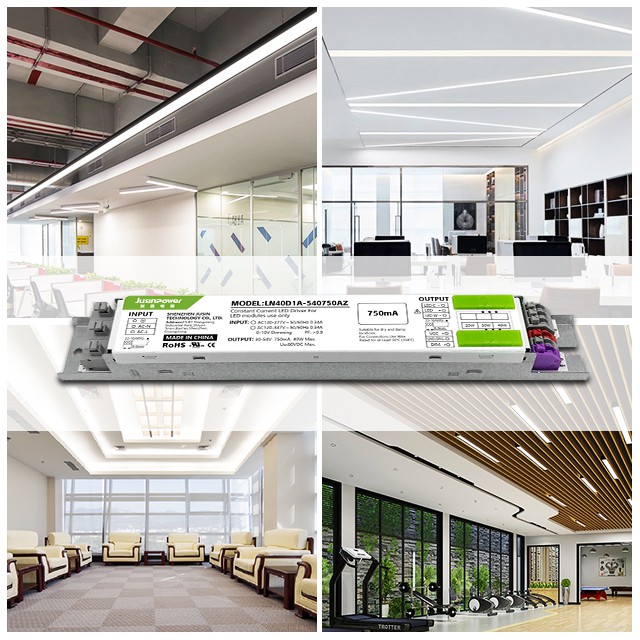
Applications of Sensor Drivers
General Lighting
LED drivers are extensively used in residential, commercial, and industrial lighting applications. They provide the required power and control for LED bulbs, tubes, downlight, and panel lights used for general illumination.
Automotive Lighting
LED drivers are widely employed in automotive lighting systems, including headlights, taillights, brake lights, turn signals, and interior lighting. They enable precise control of brightness, color, and dynamic lighting effects.
Display and Signage
LED drivers are used in large-scale displays, outdoor billboards, digital signage, and scoreboards. They ensure uniform brightness across multiple LED modules and enable dynamic control for eye-catching visuals.
Architectural Lighting
LED drivers are used in architectural lighting applications, including accent lighting, façade lighting, and landscape lighting. They enable precise control over color, intensity, and effects, allowing for creative lighting designs.
Stage and Entertainment Lighting
LED drivers are extensively used in stage lighting, concert lighting, theater lighting, and other entertainment applications. They provide versatile control options, including color mixing, stroking, and dynamic lighting effects.
Street Lighting
LED drivers are employed in streetlights to efficiently power and control high-power LEDs. They provide dimming capabilities, remote monitoring, and adaptive lighting features to optimize energy consumption and enhance safety.
Outdoor Lighting
LED drivers are essential for outdoor lighting solutions like floodlights, pathway lighting, garden lighting, and security lighting. They offer weatherproofing, robustness, and energy-efficient operation in harsh environments.
Horticultural Lighting
LED drivers play a crucial role in horticultural lighting systems for indoor farming, greenhouse cultivation, and plant research. They provide specific light spectra and dimming capabilities to optimize the plant growth and increase crop yields.
Medical Lighting
LED drivers are utilized in medical lighting application, including surgical lights, examination lights, and patient room lighting. They offer precise control, adjustable color temperature, and flicker-free operation for enhanced visibility and patient comfort.
Factors to Consider When Buying LED Drivers
#1 Output Voltage
Always consider the voltage required by your light(s). If they require 12 volts for operation, use a 12-volt driver. When using a constant-current LED driver, consider the LEDs’ current output (in amps or milliamps) and ensure your driver will produce power within your lights’ specified range. With constant-current drivers, both current range and voltage have to be considered. With constant-voltage drivers, only the voltage range needs to be considered.
#2 Input Voltage
While most LED drivers will accept a range of input voltages, ensures that the voltage available at your location is compatible with the driver you’re using. Most household voltages are 120 volts, while most commercial and industrial voltages are 277 volts. If you’re unsure, check with your electrician. When dealing with constant-current LEDs, consider their current input as well.
#3 Wattage
Calculates the total wattage of your light or lights and ensure your driver has a maximum wattage capability greater than this. Don’t use a driver with a light or lights that exceed its max wattage or that uses less than 50% of its maximum wattage.
#4 Dimming
Constant-current and constant-voltage LED drivers can both be made with the ability to dim, but the dimming capability must be stated on the dimmer’s specs, otherwise, it’s safe to assume the system is not dimmable.
Tips for Installing and Using Sensor Drivers
Wiring
Follow the manufacturer’s wiring instructions carefully. Typically, they have input and output terminals for AC power and LED connections. Ensure proper polarity and secure connections to prevent loose wires from causing electrical hazards or flickering.
Mounting
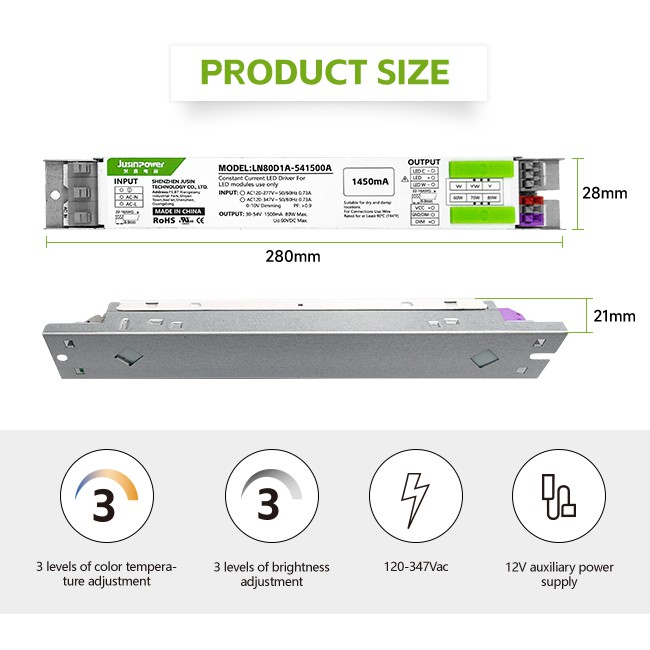
Install the LED driver in a suitable location, considering ventilation and heat dissipation. Overheat can reduce the driver’s lifespan and performance. Mounting it in a well-ventilated area helps maintain safe operating temperatures.
Dimming Controls
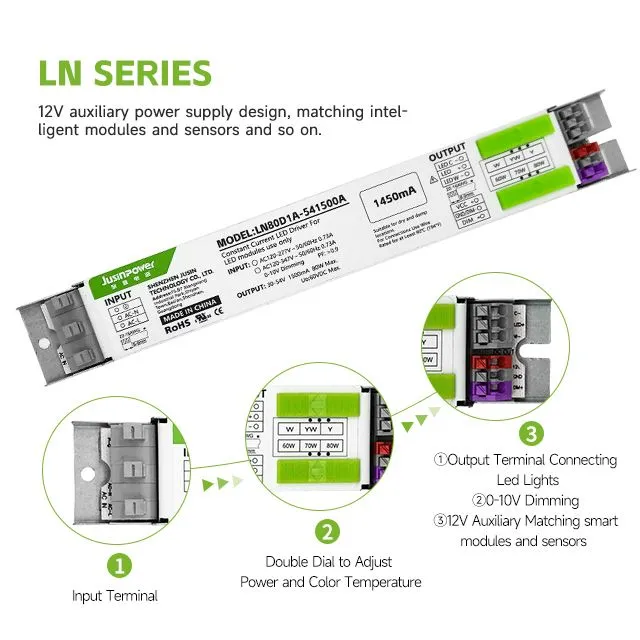
If your LED driver support dimming, connect it to the appropriate dimming controls or systems. Ensure compatibility between the driver and the control method you intend to use.
Testing and Maintenance
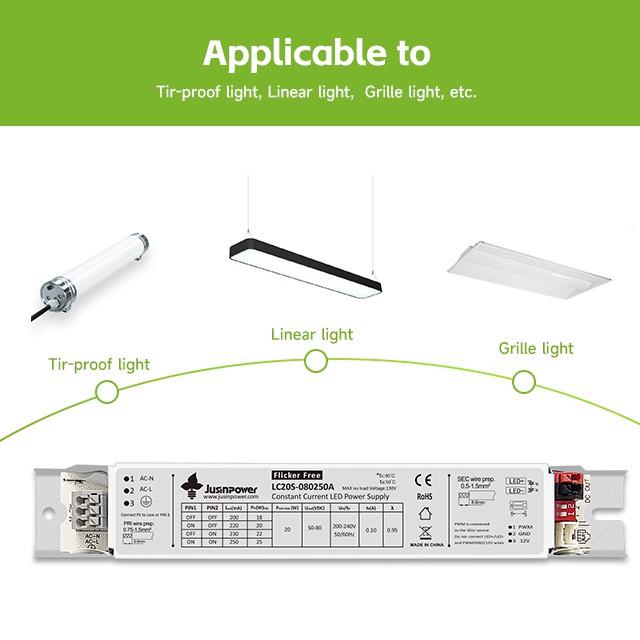
Before finalizing installation, testing the LED fixtures with the driver to ensure they function correctly. LED drivers are generally reliable, but periodic maintenance is essential to ensure long-term performance. Check for flickering, dimming range, and any unexpected behavior. Address any issues promptly to avoid long-term problems.
Certifications
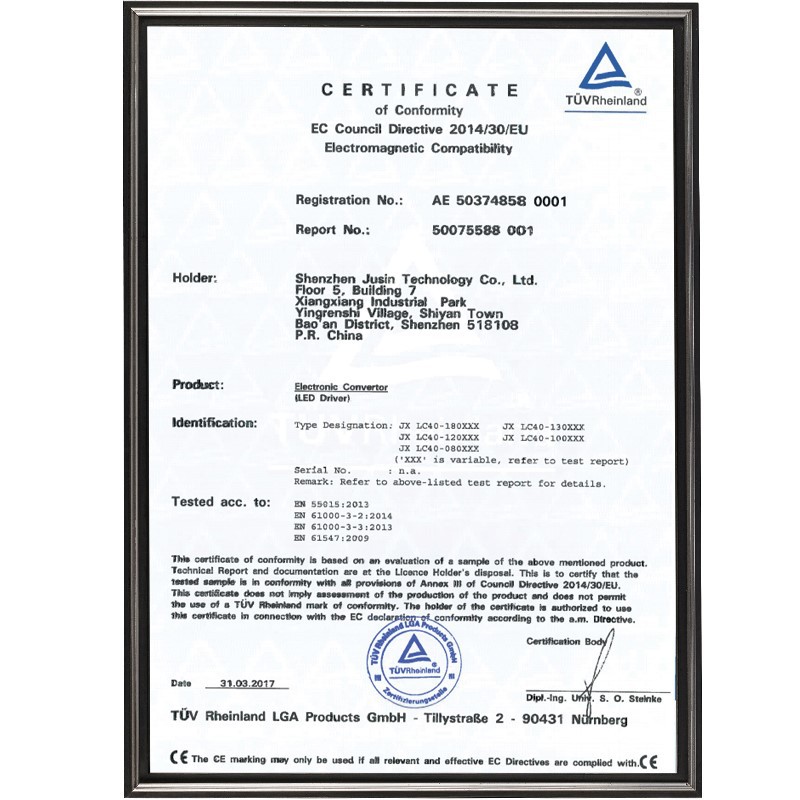
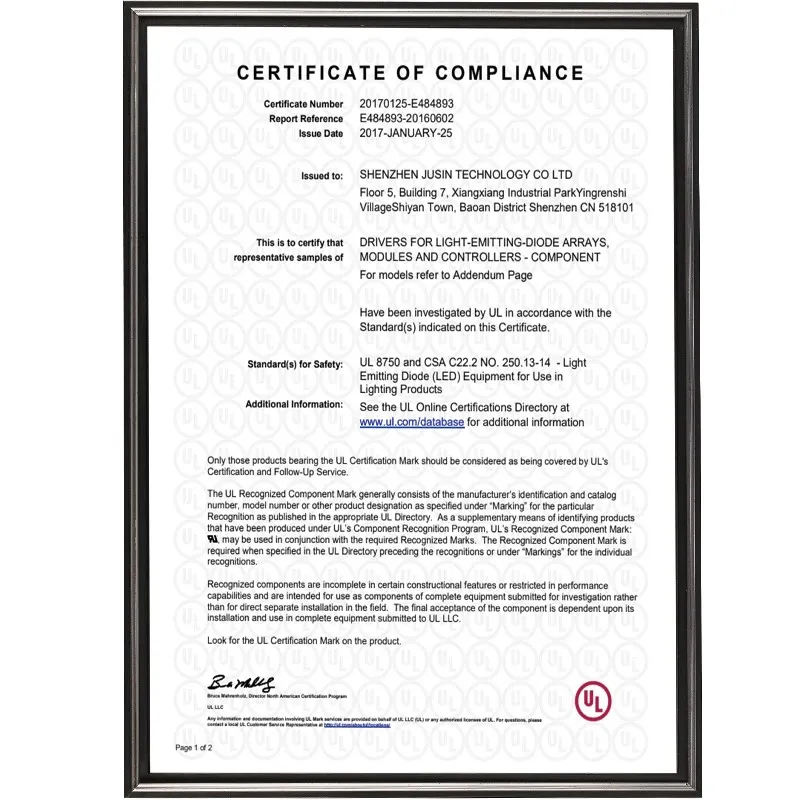
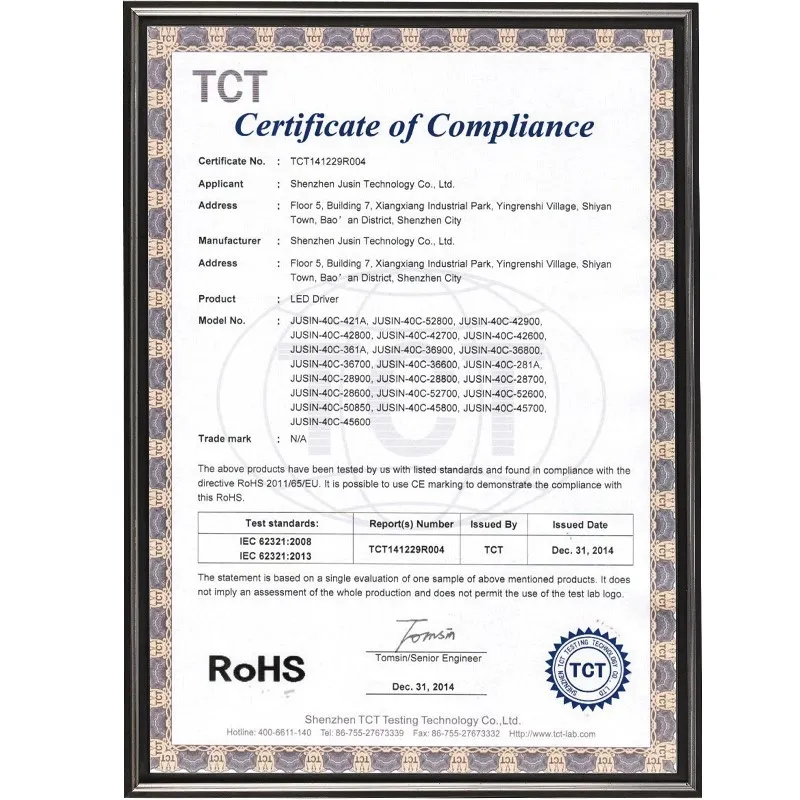

We are a LED drive manufacturer headquartered in Shenzhen city, China. We have set up a branch in Taiwan, and possess a 4000 square meters factory.
Frequently Asked Questions
As one of the most professional sensor driver manufacturers and suppliers in China, we're featured by quality products and good service. Please rest assured to wholesale customized sensor driver from our factory.
3000K low brightness, 40W Sensor Driver, led tri proof light