
Our company was established in 2012 and is a national high-tech enterprise. We mainly take charge of R&D, production, sales, and service of LED drivers. We have over 1000 clients worldwide and over 3 million output every year. Our products have been sold worldwide, such as in Thailand and USA.
Custom Service
We can customize the lamp structure, required functions, parameters, etc. Also, we provide OEM&ODM services and a one-stop solution including a full design, manufacturing, and after-sales.
Complete Certification
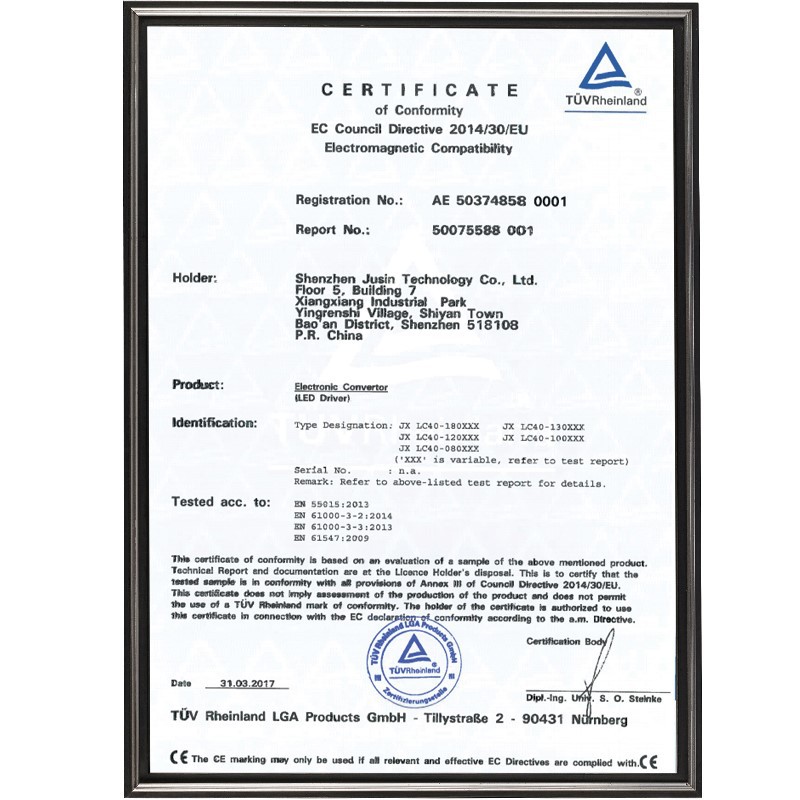
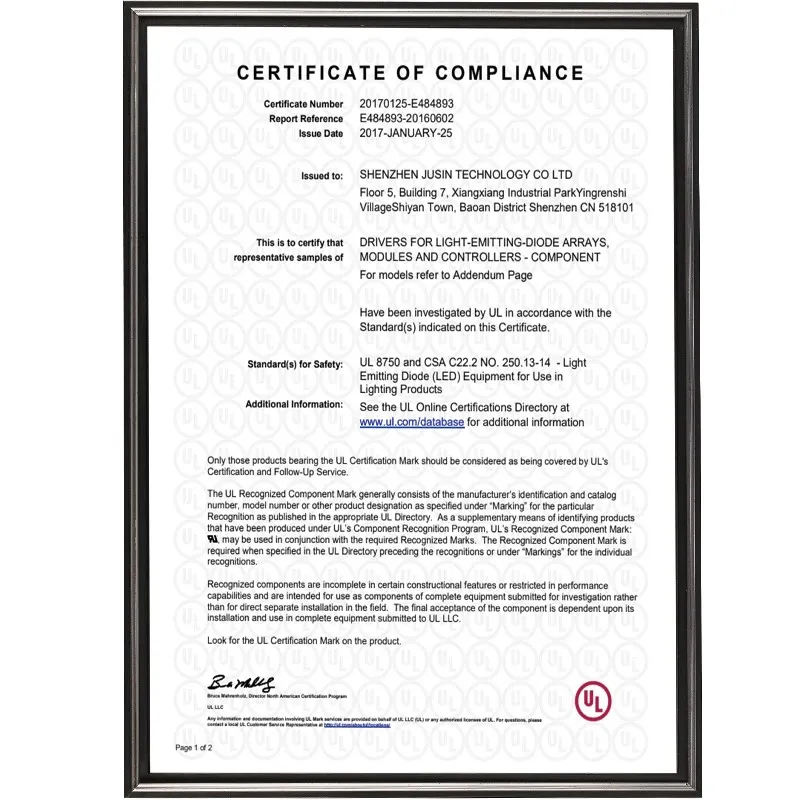
The company has passed the "ISO9001:2015" quality management system certification as well as the certificate of national high-tech enterprise. The products are compatible with multi-national certifications, including China CQC certification and international UL, CUL, TUV, ROHS, CE, CB, SAA, FCC, CCC, etc.
Strong Production Ability
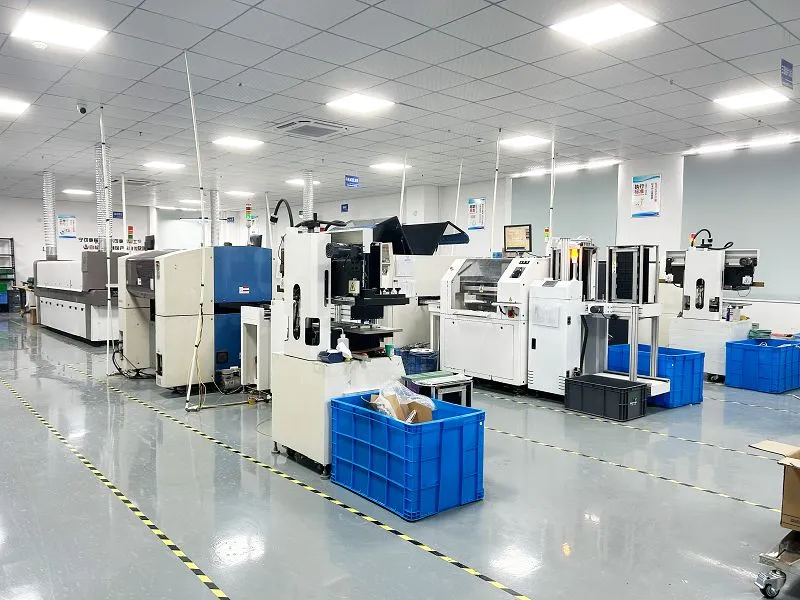
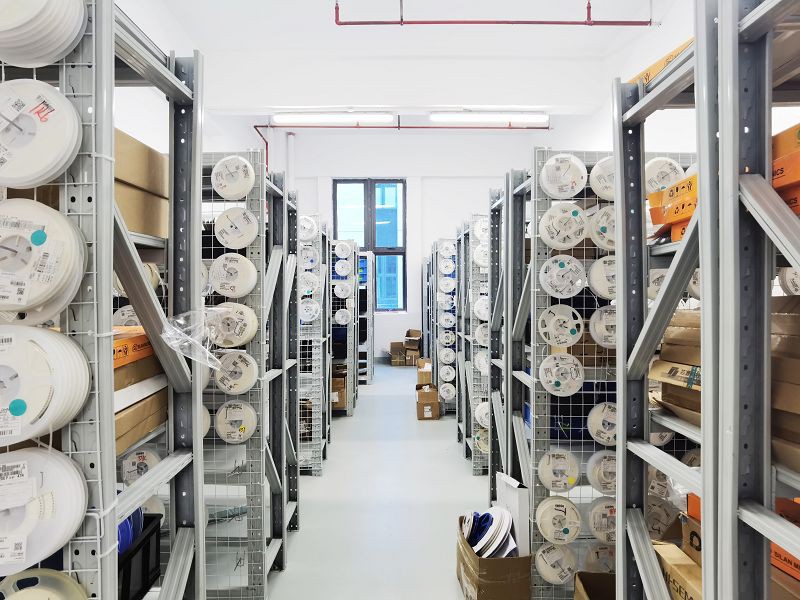
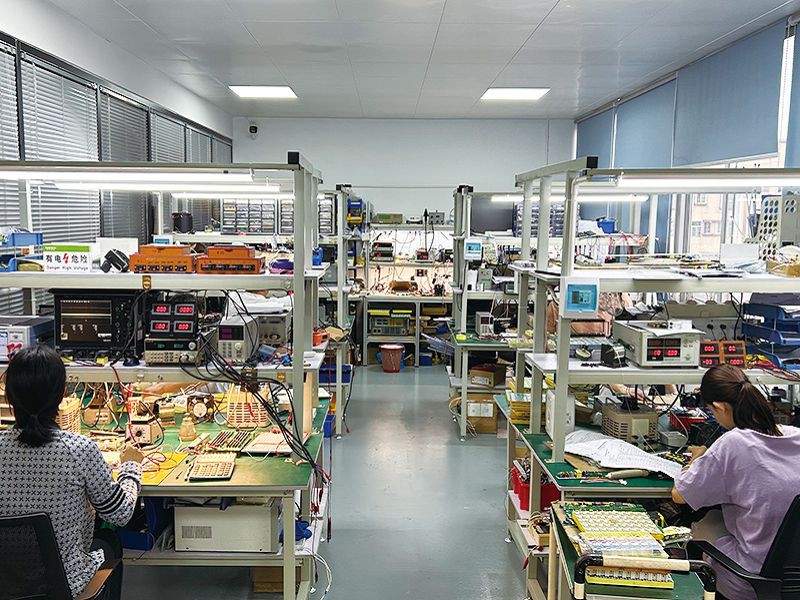
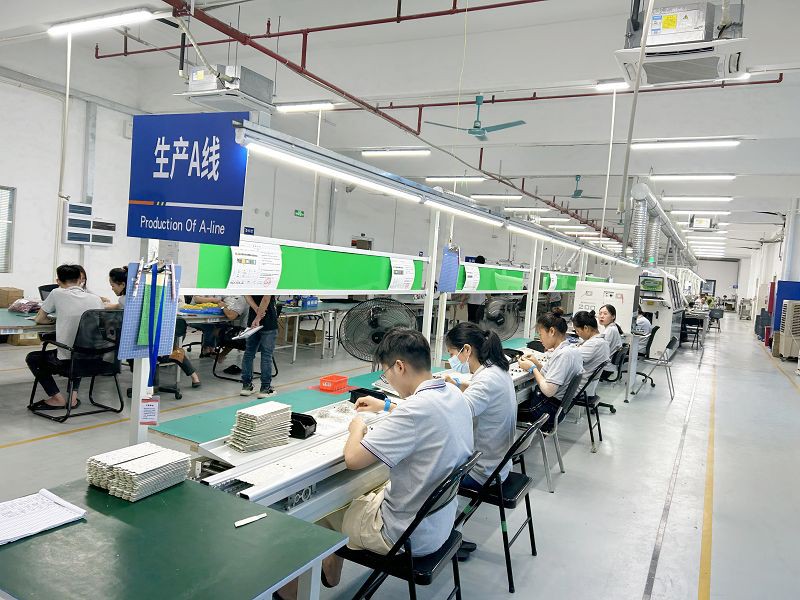
With a 4000 square meters factory in Foshan high-tech Zone, the company has 3 patch production lines and 3 plug-in production lines. There are around 100 employees and the annual capacity reaches 5 million shipments. Not only does the company have a professional R&D team of about 20 people, but also has advanced equipment to support such as SMT machines, automatic gluing machines, aged vehicles, reflow solder, and so on.
Professional Team
Most of the R&D team has 10 years of experience in the LED lighting industry. The team covers professionals from multiple fields including electronic engineering, optical design, and lighting engineering, providing comprehensive technical support to customers.
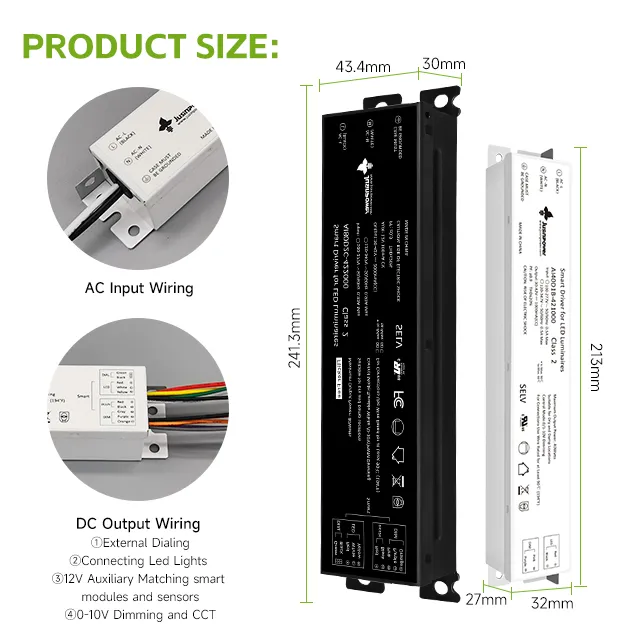
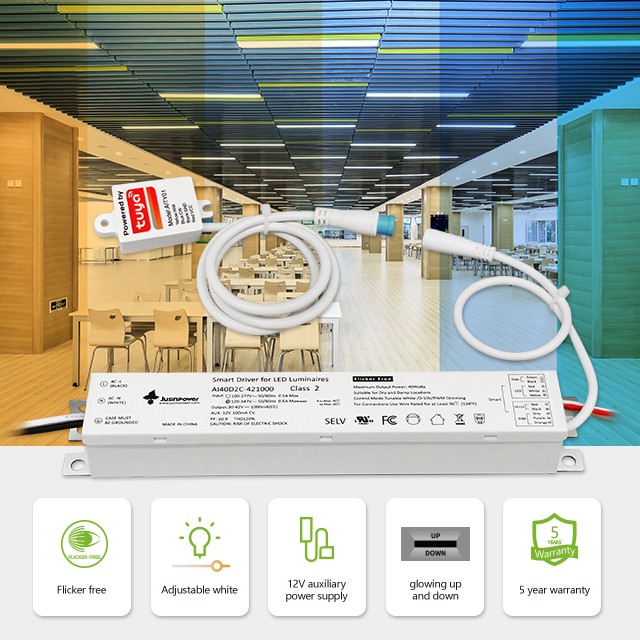
Tunable LED drivers represent a significant advancement in lighting technology. Unlike traditional LED drivers that provide a fixed output characteristics, tunable drivers offer flexibility by adjusting light output, color temperature, and dimming capabilities. This adaptability empowers users to tailor lighting solutions to specific needs and preferences, opening up many possibilities for customization and optimization.
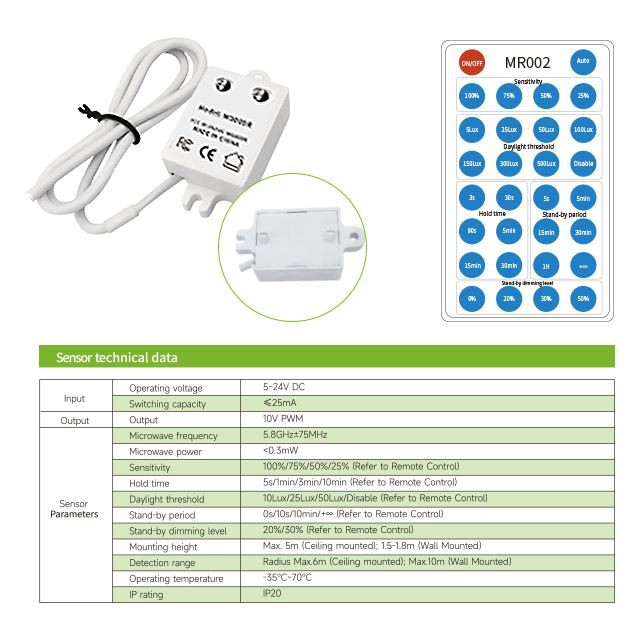
Benefits of Tunable White LED Driver
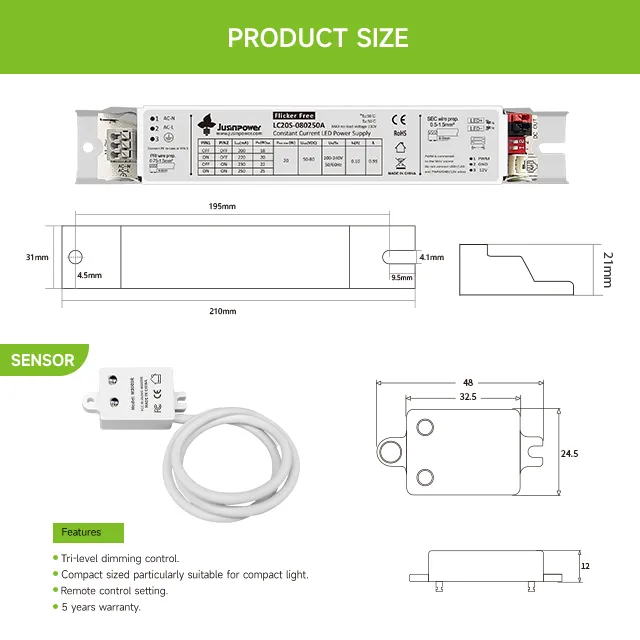
Flexibility
Firstly, they offer unparalleled flexibility in the lighting design, enabling users to create dynamic and adaptable environments suited to various applications. Whether adjusting the color temperature for a more inviting ambiance or fine-tuning brightness levels for optimal productivity, tunable drivers can meet all kinds of lighting requirements.
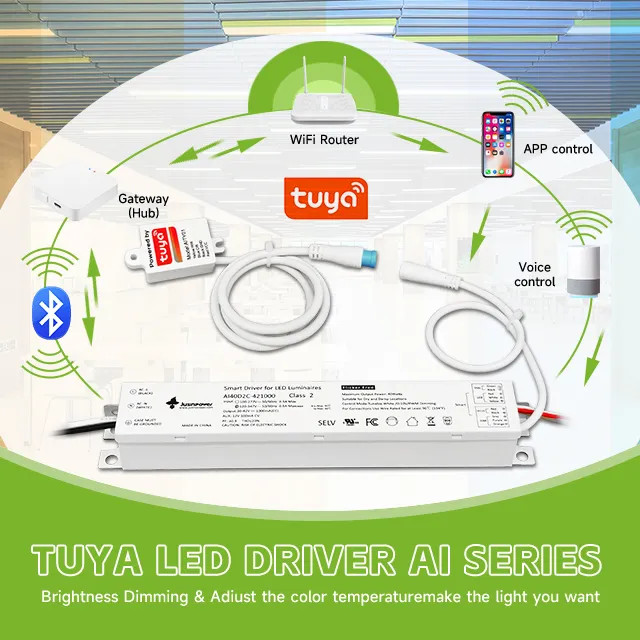
Energy Savings
Moreover, tunable drivers contribute to energy savings and efficiency. By dynamically controlling light output and adjusting to changing conditions, businesses can reduce energy consumption and operating costs while maintaining optimal illumination levels; this benefits the bottom line and aligns with sustainability initiatives, making tunable drivers a win-win solution for both businesses and the environment.
Enhance Productivity
Additionally, the tunable nature of these drivers can enhance productivity and well-being in commercial spaces. Studies have shown that lighting influences mood, focus, and overall comfort. With tunable drivers, businesses can create lighting environments tailored to promote employee well-being, creativity, and performance, ultimately leading to a more positive and productive work environment.
Types of Tunable White LED Drivers
Laptop Style
A laptop-style LED power supply is a type of power supply designed to be small and portable, similar to the power supply of a laptop computer. These power supplies are typically used to power small LED lighting systems, such as LED strip lights. They are often used in applications where limited space and portability are essential. They are often equipped with various features such as short circuit protection, overheat protection, over-current and over-voltage protection, and more to ensure the stable and secure operation of the LED lights. They are also lightweight and compact in design, making them easy to transport and install. Overall, a laptop-style LED power supply is a compact, portable, and efficient option for powering small LED lighting systems.
Enclosed Type
An enclosed type LED power supply is a type of power supply that is enclosed within a protective case or housing. This protective housing helps to protect the power supply from external factors such as dust, moisture, and other environmental conditions that could cause damage or malfunction. The enclosure also helps to improve the thermal management of the power supply by providing a means of dissipating heat, which can extend the life of the power supply. Enclosed-type LED power supplies are typically used in industrial and commercial applications where the power supply needs to be protected from harsh environments. They are also designed to be durable and rugged, making them suitable for use in demanding applications.
IP Rated
Normally these LED power supplies are IP67. IP67 LED power supplies are power supplies that are rated IP67 for ingress protection. The “IP” stands for “Ingress Protection” and the two digits that follow indicate the level of protection against solids and liquids. In this case, the first digit (6) indicates that the power supply is completely dust-tight. The second digit (7) indicates that it is protected against the effects of immersion in water up to 1 meter for 30 minutes. IP67-rated LED power supplies are designed to withstand harsh environmental conditions and are ideal for outdoor and industrial applications where protection against dust and water is required.
Open Terminal
An open terminal LED power supply is a type of power supply that does not have an enclosed housing or protective case around it. Instead, it has exposed terminals where the electrical connections are made. These power supplies are typically used when space is limited and a compact, low-profile power supply is required. Open terminal LED power supplies are generally smaller and more compact than enclosed ones. They also have a lower profile and can be installed in tight spaces. However, they also have their drawbacks. They are not protected from environmental factors such as dust, moisture, and other environmental conditions that could cause damage or malfunction. Because of that, they should be installed in a location free from dust, moisture, and other environmental factors.
Different Powers of LED Drivers
Low-Power LED Drivers
These LED drivers typically have power ratings ranging from a few watts up to around 20 watts. They are commonly used for small-scale LED lighting applications such as decorative lighting, signage, and accent lighting.
Medium-Power LED Drivers
LED drivers in the medium power range can handle wattages between 20 watts and 100 watts. They are suitable for applications such as residential lighting, retail lighting, and office lighting, where moderate power output is required.
High-Power LED Drivers
High-power LED drivers are designed to handle wattages exceeding 100 watts, often ranging from 100 watts to several kilowatts. They are commonly used in commercial and industrial lighting applications, outdoor lighting, stadium lighting, and high-intensity LED fixtures that require a significant amount of power.
Major Failure Factors for Tunable White LED Driver
Overheating
LED power supplies generate heat during operation, and if the heat is not dissipated effectively, it can cause the power supply to overheat, leading to a decrease in efficiency, shortened lifespan, or even complete failure. Therefore, it is important to ensure that the power supply is installed in a well-ventilated area and that the ambient temperature does not exceed the recommended operating range.
Overloading
LED power supplies are designed to operate within a certain range of input and output voltages and currents. Overloading the power supply beyond its rated capacity can lead to failure, as well as damage to the connected LED lighting system.
Electrical surges
Electrical surges, spikes, or transients in the power supply can cause damage to the power supply or connected LED lighting system. To prevent this, it is important to use surge protection devices and ensure that the power supply is properly grounded.
Component failure
Like any electronic device, LED power supplies contain various components that can fail over time, such as capacitors, resistors, and diodes. Component failure can lead to a decrease in efficiency, shortened lifespan, or complete failure of the power supply.
Environmental factors
Environmental factors such as moisture, dust, and other contaminants can damage the power supply and cause failure. It is important to ensure that the power supply is installed in a clean, dry environment.
LED not Lighting Up
Utilizing the continuity setting on your multi-meter is a practical approach to identify any breaks or interruptions in the circuit. If the multi-meter points out a break, the root of the problem might be traced back to issues with the wiring or an inherent defect within the LED driver itself. In such situations, thoroughly inspecting all connections is a prudent first step. If the problem persists, replacing the suspect components or seeking expert advice can often resolve the issue, ensuring your LED setup functions seamlessly.
Flickering or Inconsistent Lighting
If you notice flickering or inconsistent lighting in your LED setup, promptly diagnosing the root cause is essential. Start by measuring the output voltage using a multi-meter. Should you observe notable fluctuations in this reading, it's an indication that the LED driver may not be providing a steady power supply. The immediate fix would be to double-check that the power source feeding the driver is stable and devoid of any inconsistencies. However, if the lighting irregularities persist even after this check, it might be time to contemplate replacing the LED driver to ensure a consistent and reliable lighting experience.
Overheating Power Supply
When encountering potential overheating issues with your LED or its driver, it's prudent to turn to a multi-meter for accurate diagnosis. By measuring the output current, you can identify if an excessively high current is the culprit behind the overheating. The optimal solution is to cross-reference and ensure that the driver is in sync with the LED's specifications and needs. If you find that both are correctly matched yet the overheating persists, this might signal that the driver itself is defective. In such scenarios, considering a replacement becomes a wise course of action to prevent further complications.
Short Lifespan of LED Strips
Identifying the cause of premature LED burnout often involves a detailed examination of the underlying components. By using a multi-meter to measure both the output voltage and current, you can pinpoint discrepancies. If you find that either the voltage or the current is surpassing its intended specification, it's a likely contributor to the early burnout of the LED. The best course of action here is to ensure that your LED driver aligns perfectly with the specifications of your LED. This harmonious match will not only optimize performance but also extend the longevity of your LED setup.
How to Choose an Tunable White LED Driver
Voltage and Current Ratings
Determine the voltage and current requirements of your LED lighting system. LED drivers are available in various voltage and current ratings, so choose one that matches the specifications of your LEDs.
Power Capacity
Calculate the power capacity needed for your lighting system by multiplying the total wattage of your LEDs by a safety factor (usually 1.2 to 1.5 times) to account for any potential variations or future expansions.
Dimming Capability
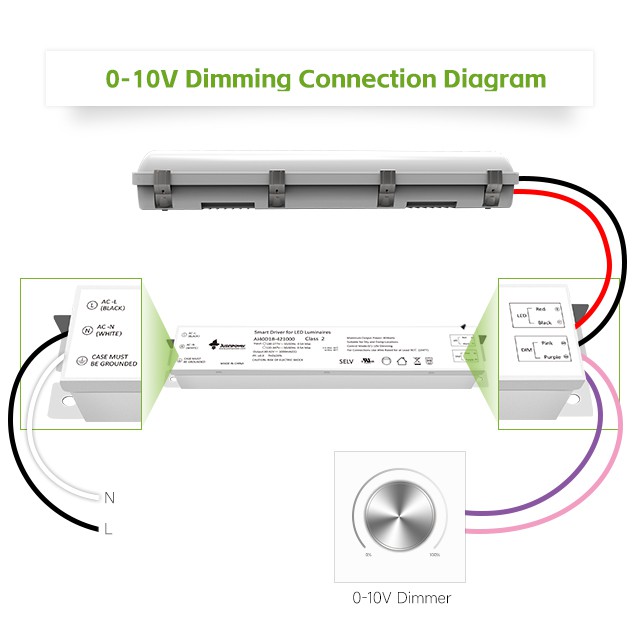
If you require dimmable LED lighting, ensure that the LED driver supports the dimming method you intend to use, such as 0-10V, PWM, or DALI. Not all LED drivers are dimmable, so check the specifications.
Efficiency and Power Factor
Look for LED drivers with high-efficiency ratings and power factor correction (PFC) to minimize energy waste and ensure optimal electrical performance.
Protection Features
Consider LED drivers with built-in protection features such as over-voltage protection (OVP), over-current protection (OCP), short circuit protection (SCP), and thermal protection. These features help safeguard your LEDs and the driver from potential damage.
Reliability and Quality
Choose LED drivers from reputable manufacturers known for their quality and reliability. Look for certifications such as UL, CE, or ETL to ensure compliance with safety and performance standards.
Environmental Conditions
Consider the operate environment of your lighting system, including temperature, humidity, and IP (Ingress Protection) rating requirements. Select LED drivers that can withstand the environmental conditions in which they will be used.
Compatibility
Ensure that the LED driver is compatible with the specific type of LEDs you are using, whether it's a constant voltage or constant current LEDs.
Check the Wattage of the LED Driver
Ensure that the LED driver's wattage rating is more than or equal to the total wattage of all lights connected to it. For instance, a driver equipped with five 3-watt outdoor strip lights should have a wattage rating of at least 15 watts. If you're using an LED tape, multiply the length of the tape by the wattage rating per meter. If the tape is powered at 15 watts per meter and the total length is 3 meters, your LED driver should have at least 45 watts.
Check the Output Voltage of the LED Driver
The LED light's input voltage and the LED driver's output voltage should be compatible. Check these before connecting them to avoid damage. There are also constant-current LED drivers with 6 volts to 24 volts and are suitable for some types of LED lights.
Certifications
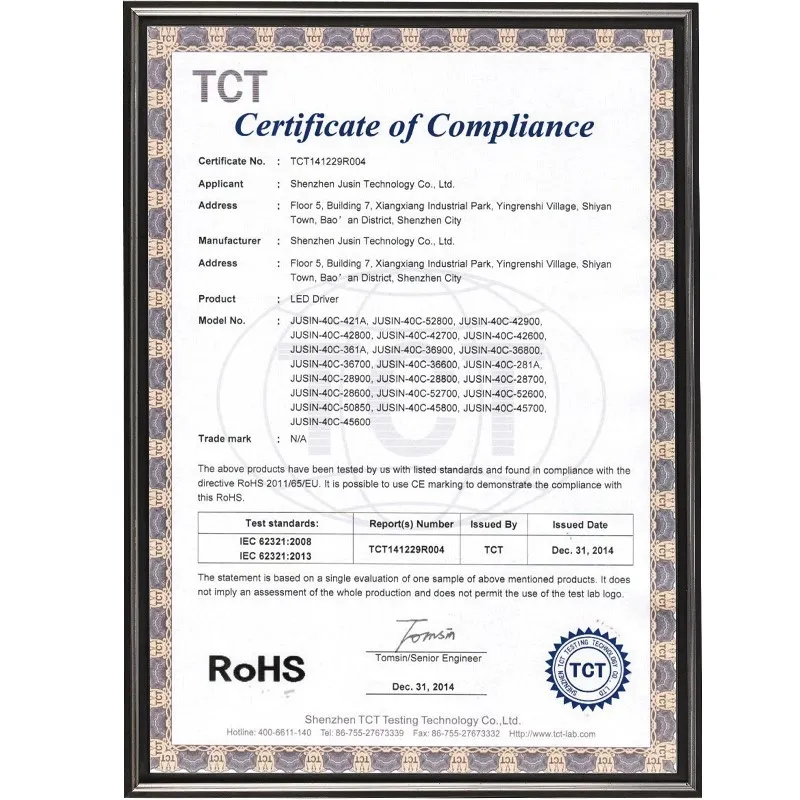
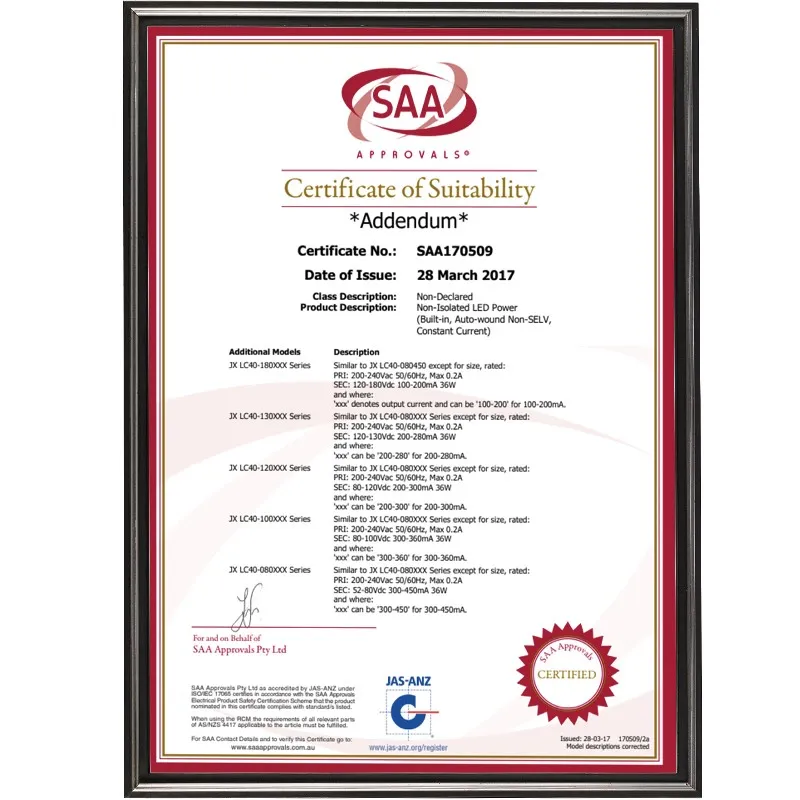
We are a LED drive manufacturer headquartered in Shenzhen city, China. We have set up a branch in Taiwan, and possess a 4000 square meters factory.
Frequently Asked Questions
As one of the most professional tunable white LED driver manufacturers and suppliers in China, we're featured by quality products and good service. Please rest assured to wholesale customized tunable white LED driver from our factory.
60W Sensor Driver, Bipolar Flicker Free Sensor Driver, tunable led panel