
Our company was established in 2012 and is a national high-tech enterprise. We mainly take charge of R&D, production, sales, and service of LED drivers. We have over 1000 clients worldwide and over 3 million output every year. Our products have been sold worldwide, such as in Thailand and USA.
Custom Service
We can customize the lamp structure, required functions, parameters, etc. Also, we provide OEM&ODM services and a one-stop solution including a full design, manufacturing, and after-sales.
Complete Certification
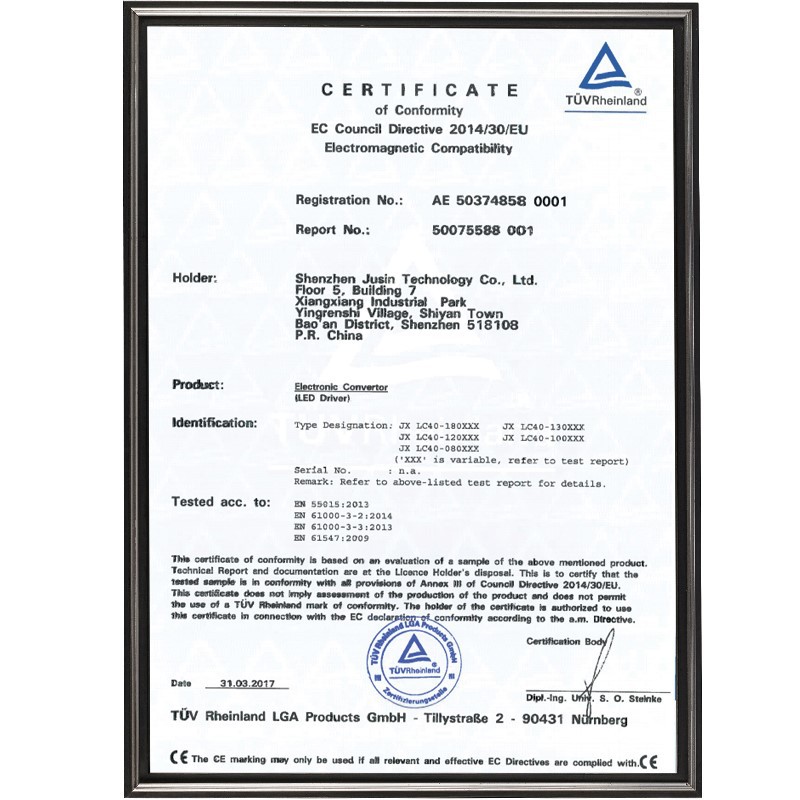
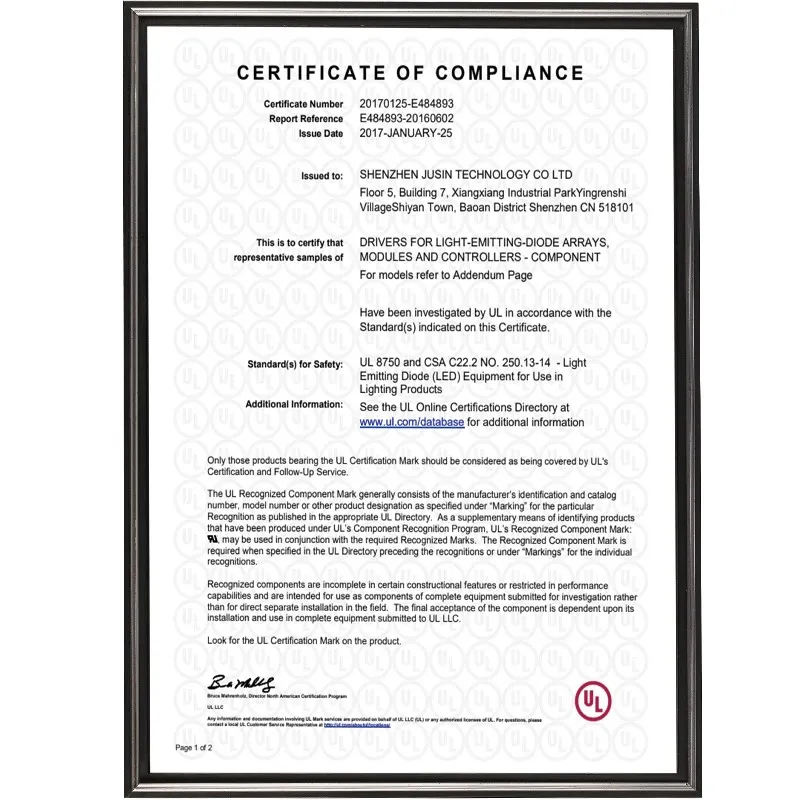
The company has passed the "ISO9001:2015" quality management system certification as well as the certificate of national high-tech enterprise. The products are compatible with multi-national certifications, including China CQC certification and international UL, CUL, TUV, ROHS, CE, CB, SAA, FCC, CCC, etc.
Strong Production Ability
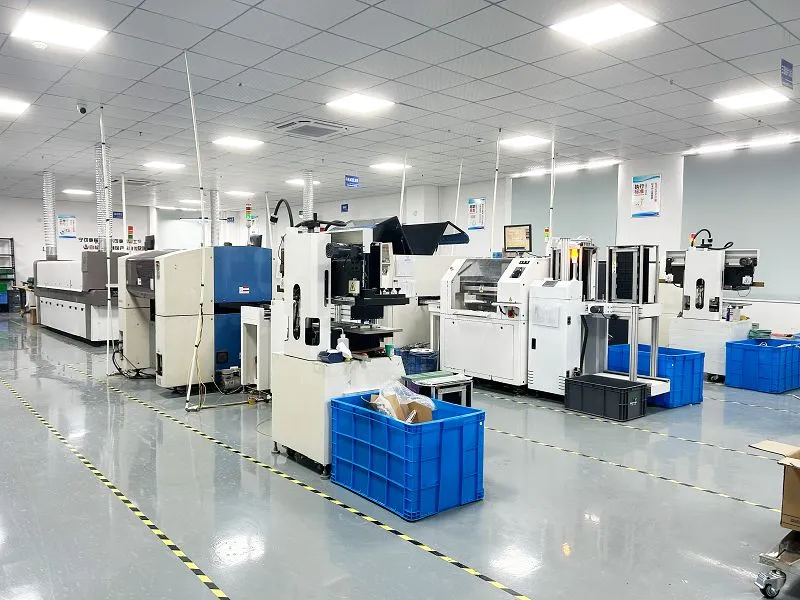
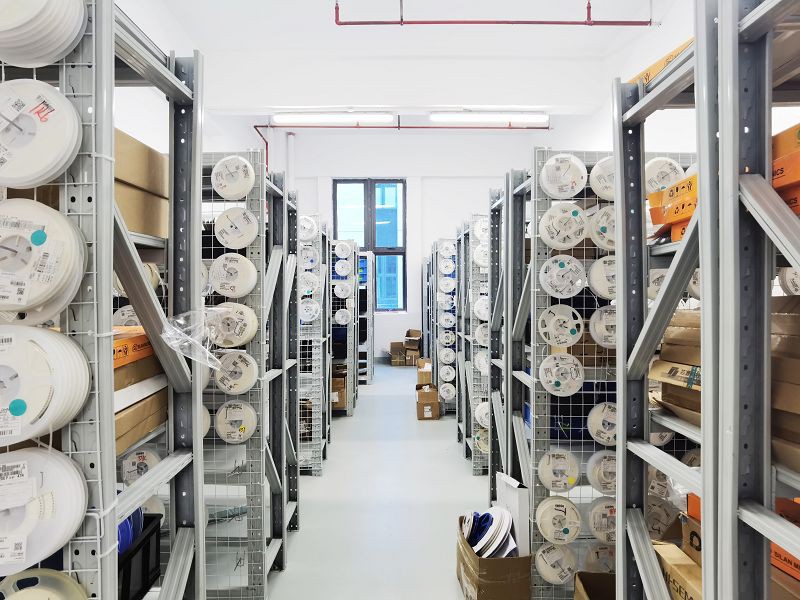
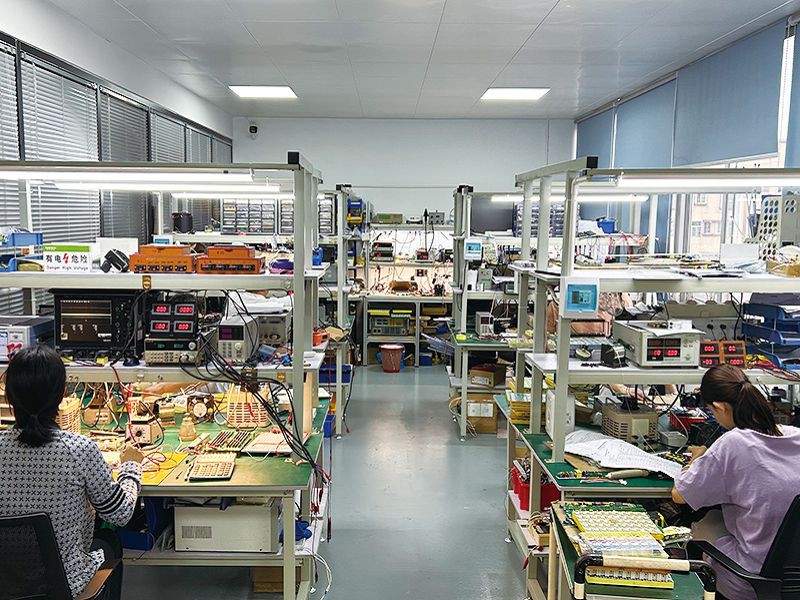
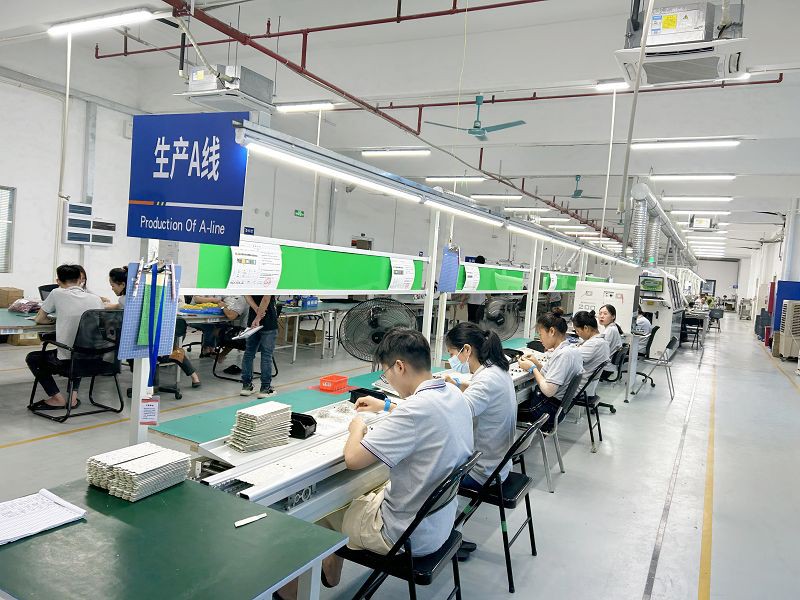
With a 4000 square meters factory in Foshan high-tech Zone, the company has 3 patch production lines and 3 plug-in production lines. There are around 100 employees and the annual capacity reaches 5 million shipments. Not only does the company have a professional R&D team of about 20 people, but also has advanced equipment to support such as SMT machines, automatic gluing machines, aged vehicles, reflow solder, and so on.
Professional Team
Most of the R&D team has 10 years of experience in the LED lighting industry. The team covers professionals from multiple fields including electronic engineering, optical design, and lighting engineering, providing comprehensive technical support to customers.
Smart Dimming LED Driver For Global Market
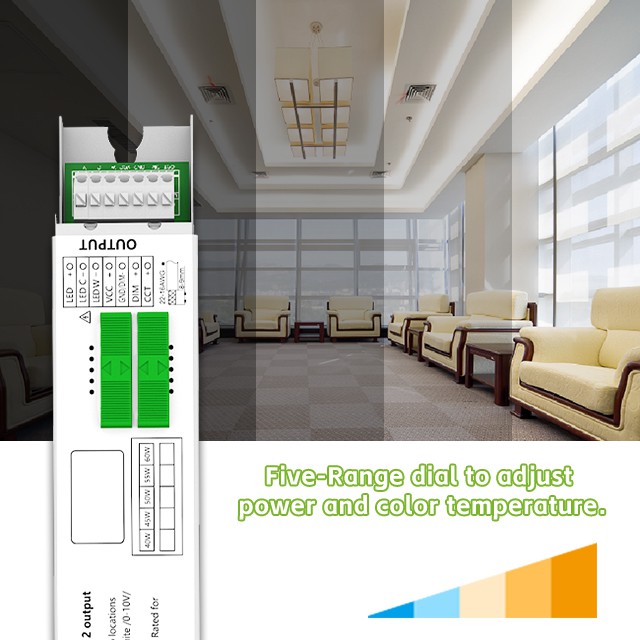
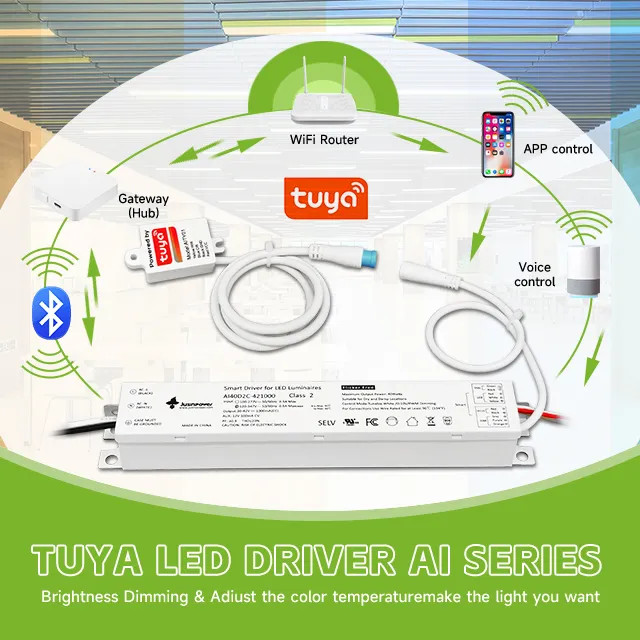
The product has 5 levels of brightness and 5 color temperature to adjust. With two output channels, it can offer smooth color temperature and brightness adjustment. Also, this product is flicker-free and equipped with 12V auxiliary power supply.
LED Driver With Adjustable Three Color Temperatures
It is an non-isolated driver with single-channel output. It has 3 stages of brightness and color temperature, including 3000K low brightness, 4500K medium brightness and 6000K high brightness. Meanwhile, users can easily adjust the light by dial switch.
0 10V Dimming Driver Suitable For Tri-Proof Lights
Tri-proof light is a special light made of special protective materials, waterproof, dust-proof, and anti-corrosion. Tri-proof means "Waterproof" "Dust-proof" and "Anti-corrosion". With a compact design and small size, it is compatible for narrow spaces.
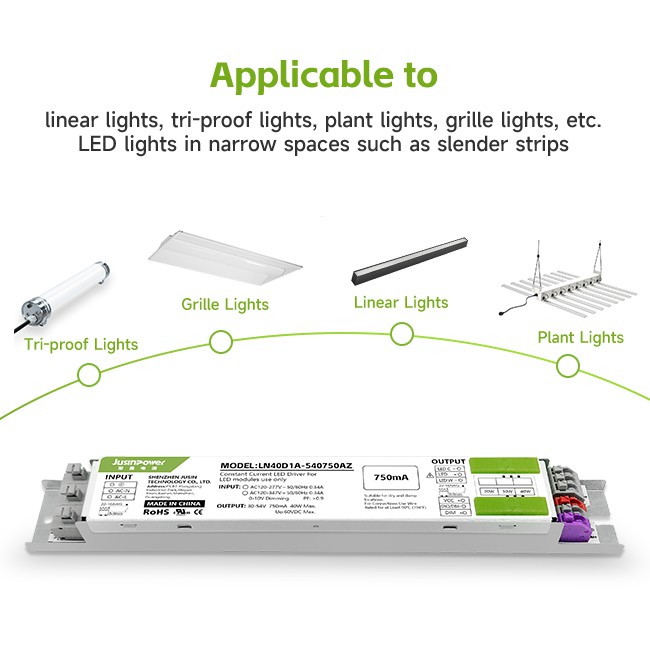
The product has a long metal shell, which is not only enhances the overall aesthetic appeal but also acts as an efficient heat sink, dissipating heat generated by the driver during operation. The 347V 0 10V dimming driver ensures consistent performance and long-term durability.
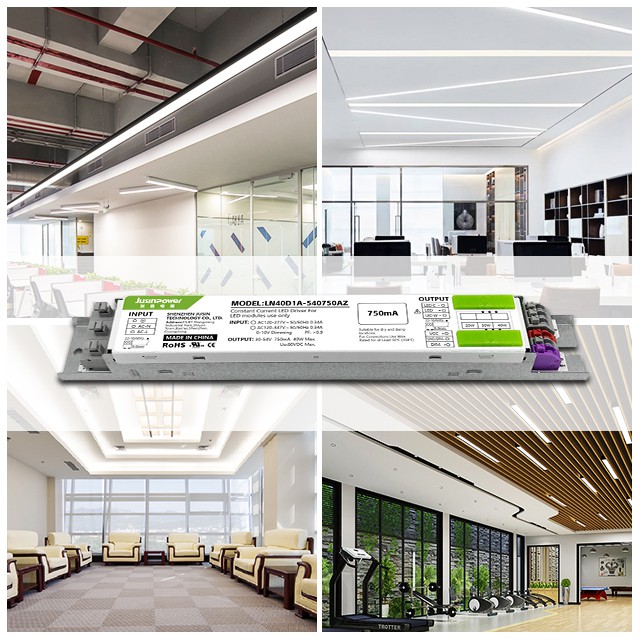
It is a constant current power with 3 levels of color temperature and brightness. It is suitable for line lights, plant lights, and grille lights. The adjustable brightness level is a standout feature of this power source. With the ability to dial down the intensity, users can avoid glare and eye strain.
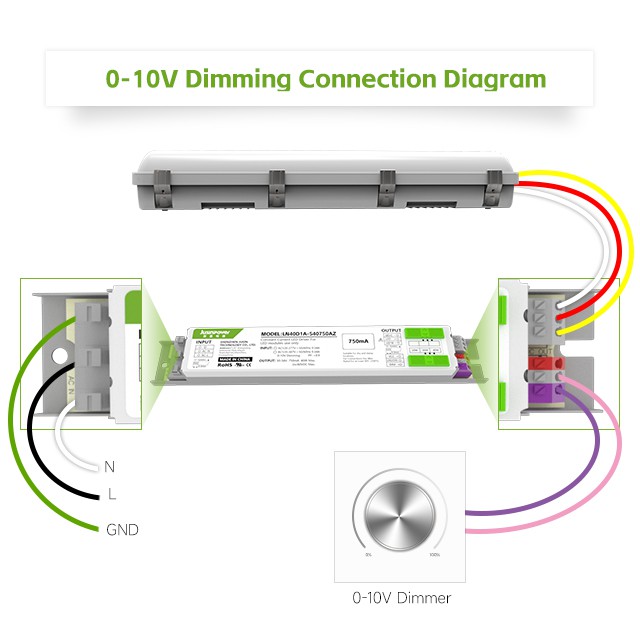
Non-Isolated 0-10v Dimming Driver
The non-isolated 0-10V dimming driver stands out as a remarkable full-voltage input LED power supply. As an electrical device, it offers a seamless connection between the load terminal and the input terminal, eliminating the need for a bulky transformer.
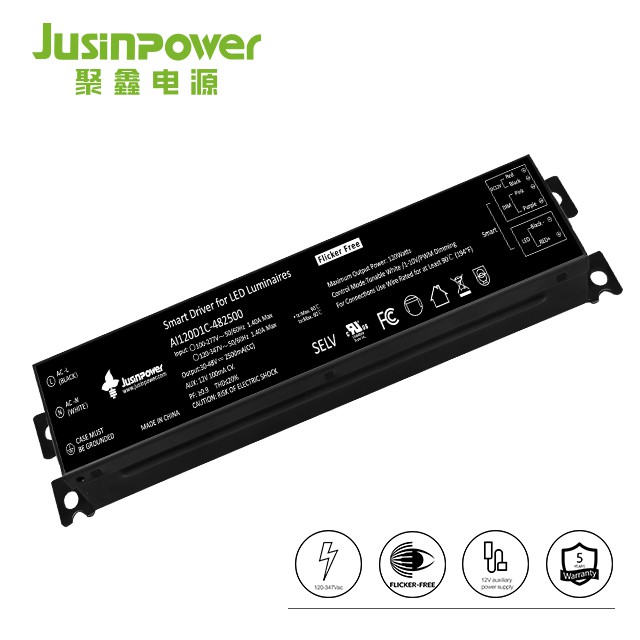
This power supply is designed with a high power factor and maximum efficiency, making it an ideal choice for high-power LED lighting systems. With a maximum efficiency of 87%, it ensures minimal energy loss and maximum light output, thus contributing to energy conservation and cost reduction.
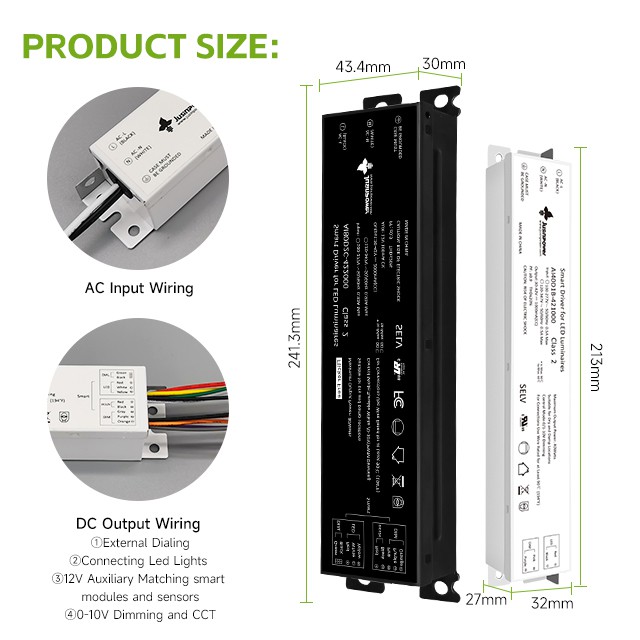
Double DIP Power Adjustment Constant Current LED Driver
The driver's power factor reaches an impressive 0.9, indicating a high level of power utilization and minimal energy waste. Moreover, the efficiency of this LED driver surpasses the 85% mark. This high efficiency means that a majority of the input power is converted into useful output power, rather than being lost as heat or other forms of energy dissipation.
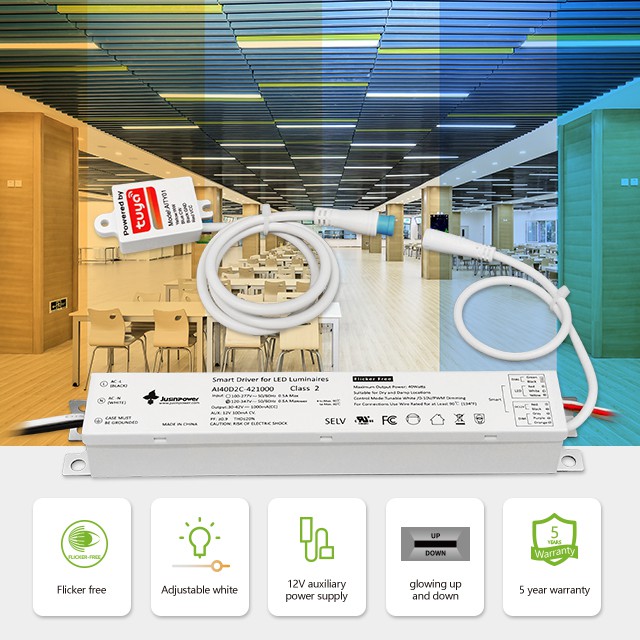
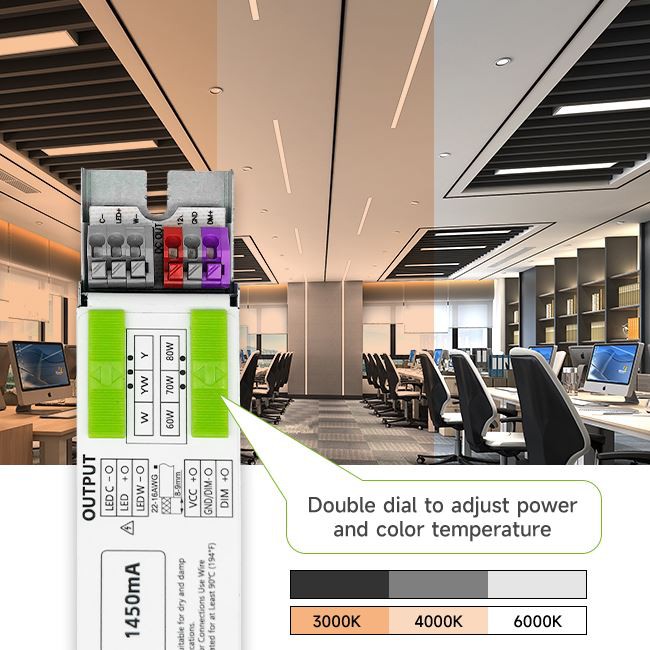
Double Dial To Adjust The Color Temperature Driver
This device features dual-channel output and employs a bipolar flicker-free design, ensuring smooth and consistent color temperature adjustments. The dual-channel output of the driver allows for precise control over the intensity and color temperature of the light source. By dialing the appropriate settings, users can switch between 3000K cold light, 4500K mixed light, and 6000K warm light color temperature adjustments.
What is Smart Dimming LED Driver
A dimming driver is a crucial component that connects LED fixtures to your home's electrical wiring, ensuring they work seamlessly. It performs two functions: it is both a driver and a dimmer for LED lights. LED lights require low-voltage direct current (DC) to operate, whereas the electrical supply in the building provides high-voltage alternating current (AC). The dimming driver acts as a translator, converting high-voltage AC into the low-voltage DC needed by LED lights. The dimmable driver also lets you adjust the brightness of your LED lights. It regulates the flow of electricity to your LEDs, making them brighter or dimmer as needed. To function as a dimmer the dimmer driver has extra terminals where control wires can be connected to provide a dimming control signal.
Benefits of Smart Dimming LED Driver
Energy Efficiency
Dimming LED driver reduces energy consumption. By lowering the brightness level, less electrical power is required to produce the desired illumination. This results in energy savings and lower electricity bills. Dimming a light by 10% can potentially save up to 10% of energy.
Extended Lifespan
Dimming can help prolong the lifespan of LED lights. LEDs are sensitive to heat, and by reducing the brightness, less heat is generated. Operating LEDs at lower power levels through dimming reduces stress on the components, resulting in less wear and tear and extended operational life.
Flexibility and Mood Lighting
Dimming LED driver provide flexibility in creating different lighting scenes and moods. Whether it's in a residential or commercial setting, dimming allows users to adjust the brightness according to their preference and the specific activity or atmosphere they desire. For example, dimming can create a relaxing and cozy ambiance in a living room or a more vibrant and energetic atmosphere in a party or event space.
Visual Comfort
Adjusting the brightness of LED lights through dimming can enhance visual comfort. In some situations, full brightness may be too intense or cause glare, especially in areas where tasks requiring focused attention are performed. Dimming the lights can help reduce glare and eye strain, providing a more comfortable and visually pleasing environment.
Customisation and Control
Dimming LED driver provides users with greater control over their lighting. With compatible dimming systems or smart home automation, users can easily adjust the brightness levels and create lighting scenes for different activities or time of day. This level of customization allows for a personalized lighting experience tailored to preferences and needs.
Compatibility
LED lighting typically requires DC power to operate, which means that AC dimmable LED drivers require additional components, such as a rectifier, to convert the AC power to DC power. DC dimmable LED drivers, on the other hand, provide direct DC power to the LEDs, which can simplify the installation and reduce costs.
Efficiency
AC dimmable LED drivers are generally less efficient than DC dimmable LED drivers, as the conversion process from AC to DC power results in some power loss. DC LED drivers, which provide direct DC power, can operate at higher efficiencies.
Size
AC dimmable LED drivers are typically larger than DC dimmable LED drivers due to the additional components required for AC-to-DC conversion. DC dimmable LED drivers can be smaller and more compact.
Cost
AC dimmable LED drivers are generally less expensive than DC dimmable LED drivers, as they require fewer components and are easier to manufacture. However, the cost difference may be offset by the potential energy savings and longer lifespan of DC dimmable LED drivers.
Safety
AC dimmable LED drivers can pose a safety risk if not properly designed and installed, as they can generate high voltages and currents. DC dimmable LED drivers, which provide lower voltage and current levels, may be safer and easier to handle.
Circuit Board Making
We are strictly in accordance with the standard requirements of CE and SAA to produce. The electrical safety of the input part of the package, over-voltage protection, anti-interference, electromagnetic compatibility will be taken into consideration, and every point on the circuit will be carefully designed. This is indeed a time-consuming and troublesome work.
Sample Making
According to the circuit design, all the electronic components are manually welded to the circuit board, and then to test whether the LED power supply can work properly.
Electrical Performance Test
After the sample of power supply is finished, it is necessary to test the waveform of each point, to check whether the parameters of each component meet the requirements of power supply, and make some modification if necessary.
Component Temperature Test
This workload is very big. We need to record the temperature of the various components such as capacitors, diodes, M0S pipe, IC, transformer,etc. Put the sample in a heat preservation box with temperature around 45 degrees, and replace the high temperature components if there are any, then record again. The entire process takes 1 day or so.
High Voltage Test
This is mainly for the power supply safety clearance, transformer insulation and other safety tests. If the test does not pass, it is necessary to modify the circuit or improve the transformer, until the requirements can be reached.
Lightning Test
A basic requirement of lightning strike is that the indoor lighting is 1KV and the outdoor lighting is 2KV, which is similar to the thunder signal. The impact on the power supply is carried out back and forth to see whether the instantaneous power supply will be damaged. The input part is tested.
EMC Test
According to the international requirements of LED lighting power standards, electromagnetic compatibility and radiation test will be done to see whether it can meet the international standards.
High-Low Temperature Test
Let the power supply in the high temperature of 50 degrees and low temperature of minus 30 degrees, to see whether the power supply can start normally, and detect the electronic components in the high temperature and low temperature of the power supply parameter changes, and change the unqualified components timely.
Aging Test
This is the last step. Let a number of power supplies turn on and off within a short time, simulating our lighting lamps on and off, to see whether the power supply will interfere with each other or not at the same time and whether they work normally.
How to Choose Smart Dimming LED Driver
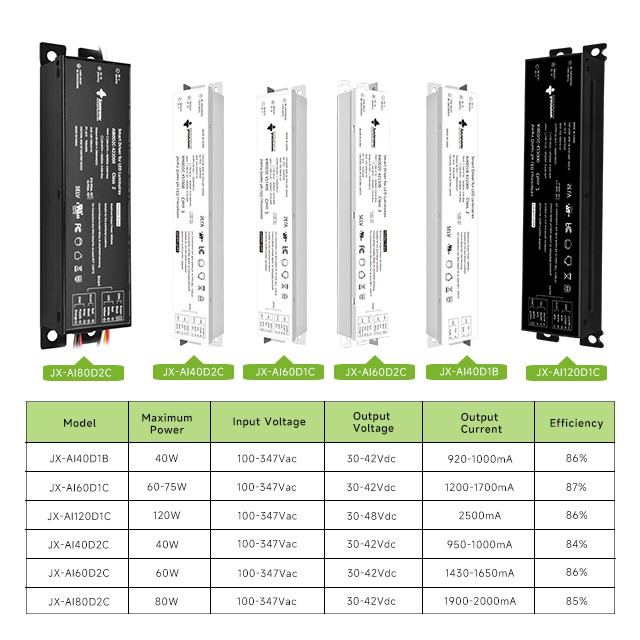
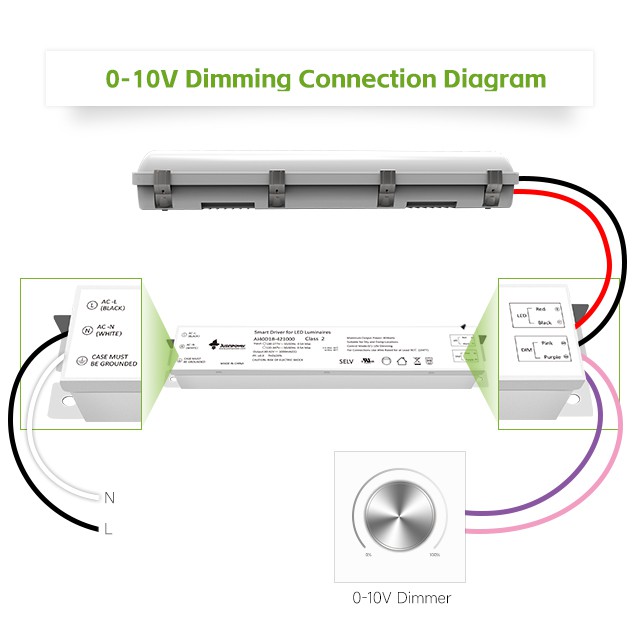
Power Output
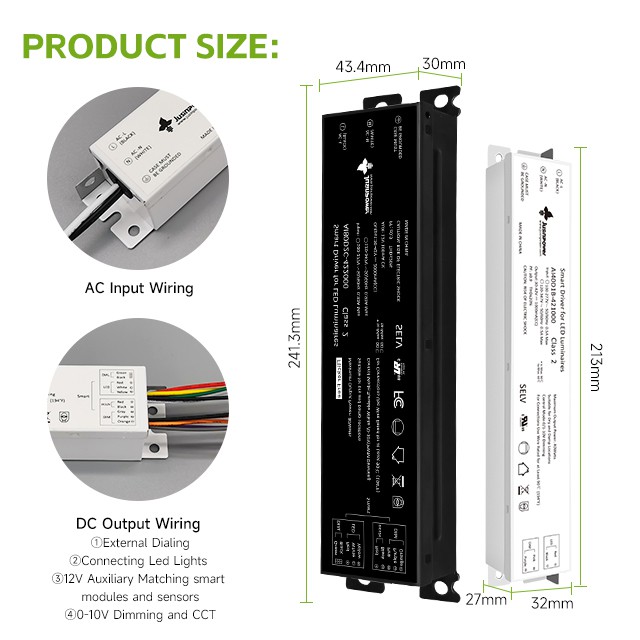
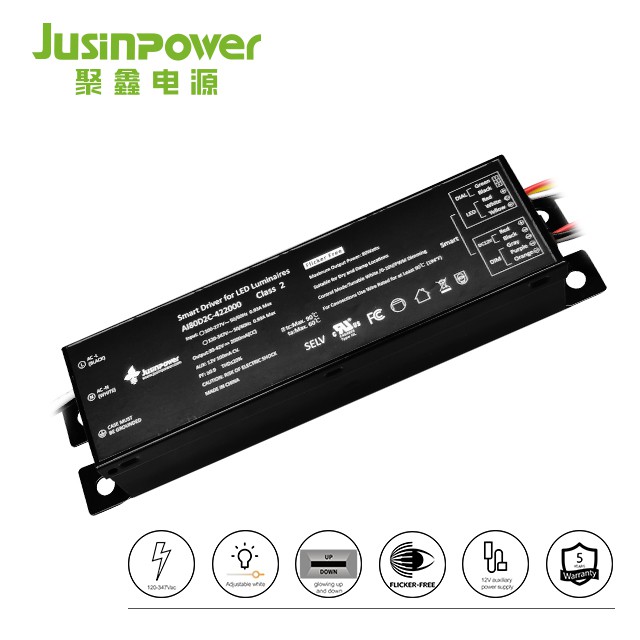
The power output of an LED driver refers to the amount of power it can supply to the LEDs. It's like the horsepower of a car - the higher the power output, the more LEDs it can drive. However, it's important to match the power output of the driver with the power requirements of the LEDs. Overpowering can lead to overheating and damage, while under powering can result in dim and ineffective lighting. Always check the power specifications of your LEDs and choose a driver that can meet these requirements.
Efficiency
Efficiency is a key factor when it comes to LED drivers. It refers to the amount of power that is used to light the LEDs, compared to the total power consumed by the driver. An efficient LED driver wastes less power as heat and delivers more to the LEDs, resulting in brighter light and lower energy costs. It's like a fuel-efficient car - it gets more miles per gallon, saving you money and reducing environmental impact. Always look for LED drivers with high-efficiency ratings to get the most out of your LED lighting system.
Dimming Capabilities
LED drivers can also come with dimming capabilities, allowing you to adjust the brightness of your LEDs. This feature can be particularly useful in creating different moods or atmospheres in a room. Imagine being able to turn down the lights for a cozy movie night, or brighten them up for a productive work session. However, not all LEDs are dimmable, so it's important to check this before purchasing a driver with dimming capabilities. Also, different drivers may use different dimming methods, such as pulse-width modulation or analog dimming, each with its advantages and disadvantages.
Input/Output Voltage
Understanding the input and output voltage of an LED driver is crucial for ensuring compatibility with your power source and LEDs. The input voltage is what you feed into the driver, and it must match your main voltage. The output voltage, on the other hand, is what the driver supplies to the LEDs. It's like making sure the water flowing through your pipes is at the right pressure - too high, and you could cause damage; too low, and your LEDs won't light up properly. Always check the voltage requirements of your LEDs and ensure the driver you select can provide the correct output voltage.
Certifications
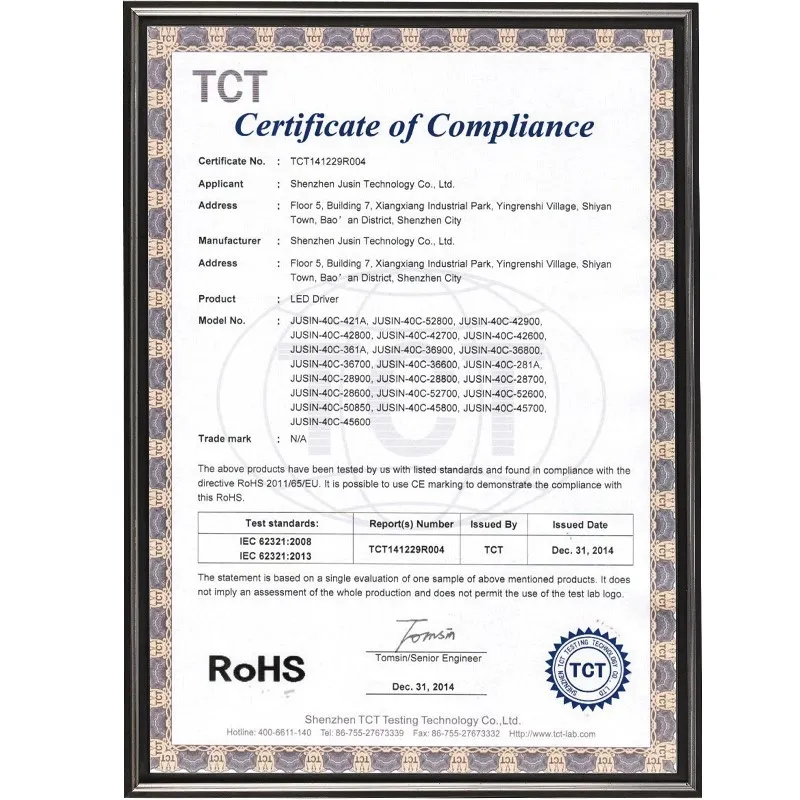
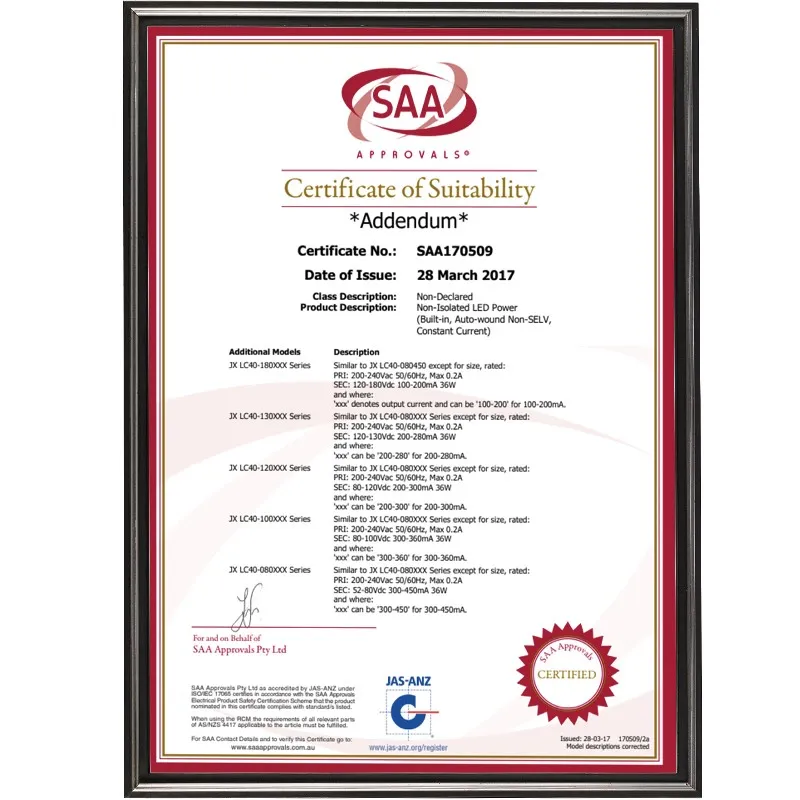
We are a LED drive manufacturer headquartered in Shenzhen city, China. We have set up a branch in Taiwan, and possess a 4000 square meters factory.
FAQ
Hot Tags: led driver with adjustable three color temperatures, China led driver with adjustable three color temperatures manufacturers, suppliers, factory, Power 55W, no strobe flash, dual output, 120-347Vac, Non isolated Constant Current Sensor Driver, smart module
LN series
LN40D1A
|
Performance |
||
|
Model |
LN40D1A-540750AZ |
|
|
Input |
Efficiency |
89%@230Vac full load |
|
Voltage |
120-277Vac(standard) |
|
|
120-347Vac(optional) |
||
|
Frequency Range(Hz) |
50/60Hz |
|
|
Power Factor |
≥ 0.9@347Vac full load |
|
|
THD(full load) |
<20%@120Vac full load |
|
|
AC Current(max) |
0.34A@120Vac full load |
|
|
Standby power |
<1W |
|
|
Inrush current (cold engine start) max |
25A@120Vac |
|
|
60A@277Vac |
||
|
80A@347Vac |
||
|
Leakage current (max) |
<0.75mA@347V |
|
|
Output |
Current(mA)/Voltage (VDC) Power(W) |
30-54Vdc/750mA/40W |
|
Channel |
1 output |
|
|
Linear Regulation |
±5% |
|
|
No-load output voltage |
<60V |
|
|
Start Time |
<0.5S@347V <1S@120V |
|
|
auxiliary voltage |
12V/100mA |
|
|
Function |
Dimming method |
0-10V 0.5V OFF /0.7V OPEN |
|
Dimming current |
<1mA@10V <2mA@0.7V |
|
|
Dimming range |
7%-100% (standard) |
|
|
Color temperature |
Three gears adjustable |
|
|
Protection |
Over Temperature |
When temperature is too high,shut down the output, Recovers automatically |
|
Over load |
Hiccup, when the output power exceeds ,then,recovers automatically after fault removed |
|
|
Short Circuit |
Close output,recovers automatically after fault removed |
|
|
Physical |
|
|
Length |
210 mm |
|
Width |
28 mm |
|
Height |
21 mm |
|
Mounting Length |
195mm |
|
Weight (g) |
154g |
|
Environmental |
|
|
Safety standard |
UL8750 ,Class1 |
|
EMC emission |
Meets FCC part 15 |
|
Operating Temperature |
-20°C to 50°C |
|
Storage Temperature,Humidity |
-20°C to 85°C,20-90%RH |
|
Case Temperature |
TC=90℃ |
|
Warranty Tc |
85°C max for 50k Hr Life |
|
Surge protection |
L-N 1KV , L/N-FG 2KV |
|
IP Rating |
IP20 |
|
Material |
Iron shell |
|
Certificate |
CE/FCC/UL certificate |
|
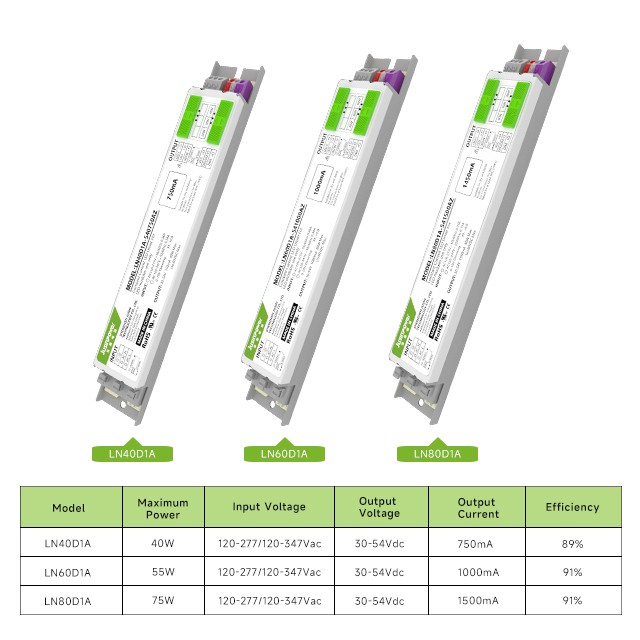
Series Driver |
||||||||
|
Model |
Max Power |
Input Voltage |
Output Voltage |
Output Current |
Power Factor |
Power Regulation |
Color temperature |
Efficiency |
|
LN40D1A-54XXXXYZ |
36W |
120-277/120-347Vac |
30-54Vdc |
750mA |
0.9 |
Adjustable |
Adjustable |
89% |
|
LN60D1A-54XXXXYZ |
55W |
120-277/120-347Vac |
30-54Vdc |
1000mA |
0.9 |
Adjustable |
Adjustable |
91% |
|
LN80D1A-54XXXXYZ |
75W |
120-277/120-347Vac |
30-54Vdc |
1500mA |
0.9 |
Adjustable |
Adjustable |
91% |