LED luminaires require a driver power supply, and the quality of the power supply directly affects the lifespan of the luminaire. Today, let's talk about LED drivers.
What is an LED Driver?
An LED driver is a voltage converter that converts a power supply into a specific voltage and current to drive LEDs to emit light.
In general, the input of an LED driver may include high-voltage AC (mains electricity), low-voltage DC, high-voltage DC, or low-voltage high-frequency AC (such as the output of an electronic transformer). The output is typically a constant current source, where the output voltage changes according to the forward voltage drop of the connected LEDs.
1. Constant Current Type:
A constant current driver circuit provides a fixed current, while the DC output voltage changes within a certain range based on the load resistance. When the load resistance is low, the output voltage is low; when the load resistance increases, the output voltage rises accordingly.
A constant current driver is ideal for driving LEDs, though it is relatively more expensive.
A constant current circuit is not afraid of a short-circuit on the load side, but an open-circuit load is strictly prohibited.
Pay attention to the maximum allowable current and voltage values, as they limit the number of LEDs that can be connected.
2. Constant Voltage Type:
When the parameters of a constant voltage circuit are set, the output voltage remains fixed, while the output current varies as the load changes.
A constant voltage circuit can tolerate an open load but strictly forbids a short-circuit load.
Variations in the rectified voltage will affect the brightness of the LEDs.
To maintain uniform brightness across LED strings, appropriate resistors can be added.
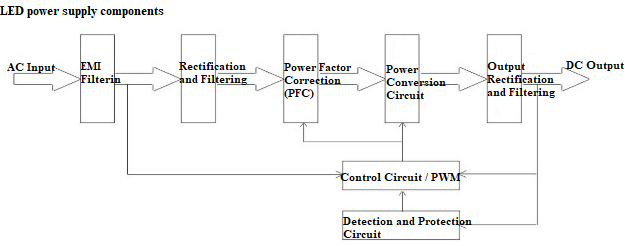
1. Electromagnetic Filter
The main function of the electromagnetic filter is to eliminate external transient pulses and high-frequency interference. At the same time, it reduces electromagnetic interference (EMI) generated by the switching power supply itself to the external environment.
2. Rectification and Filtering Circuit
To convert AC to (pulsed) DC, a rectification and filtering circuit is required. The most common configuration is a bridge rectifier, consisting of four diodes and two filter capacitors.
3. Power Protection Components
Varistors scattered across the PCB serve as protection components. Their principle is similar to household fuses - using a self-fusing method to cut off the current in the event of an overvoltage or surge.
4. Switching Transformer and Switching Transistor
In a power supply, the transformer converts high voltage to low voltage for use. The switching transistor acts as the core hub of the power supply, transferring the converted high-voltage DC to the switching transformer for step-down conversion.
5. Protection Circuit
The internal protection circuit of the power supply is responsible for startup control, as well as monitoring and adjusting voltage and current. It automatically provides protection in case of short circuit, open circuit, overvoltage, overcurrent, undervoltage, or undercurrent conditions.
6. PFC Circuit Section
In compliance with national 3C certification requirements, a Power Factor Correction (PFC) circuit must be included within the power supply to minimize interference with the external power grid caused by the switching power supply.
7. Heat Dissipation and Other Circuits
Since the power conversion efficiency cannot reach 100%, a portion of the energy is converted into heat. Heat dissipation is mainly managed through heat sinks and power transistors working together to dissipate excess heat.
Choosing an LED Driver Power Supply
When selecting an LED driver, several factors should be considered:
Operating Environment:
Will the power supply be used indoors or outdoors? Does it need to be waterproof or meet a specific IP rating?
Overall Power Requirements:
A single luminaire may require only a small power supply, while a complex system might need to deliver hundreds of watts.
Additional Features:
Will the driver work in a constant voltage or constant current mode? Does the application require dimming functions? Are there certification or compliance requirements that must be met?
How to Identify the Quality of an LED Driver
To determine the quality of an LED driver, here's a simple guideline:
1: The Driver IC (Chip)
The performance and reliability of the driver IC directly affect the stability and lifespan of the entire power supply.
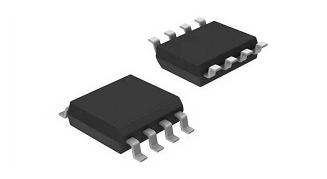
The core of the driving power supply is the IC. The quality of the IC directly affects the entire power supply. The control chip can be regarded as the brain center of the power supply.
2: Transformer
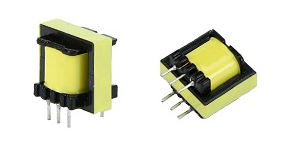
The transformer determines power, constant temperature, etc. The core of the transformer is the magnetic core and the coil.
3: Electrolytic capacitors and chip ceramic capacitors
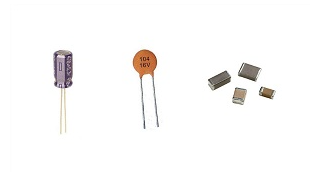
The quality and life of the input and output electrolytic capacitors have a great impact on the life of the power supply, so it is important to pay attention to it.
4: Circuit design and welding process of power supply products
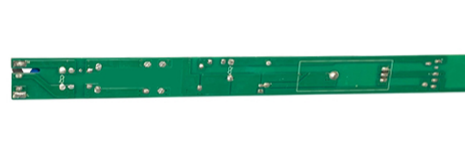
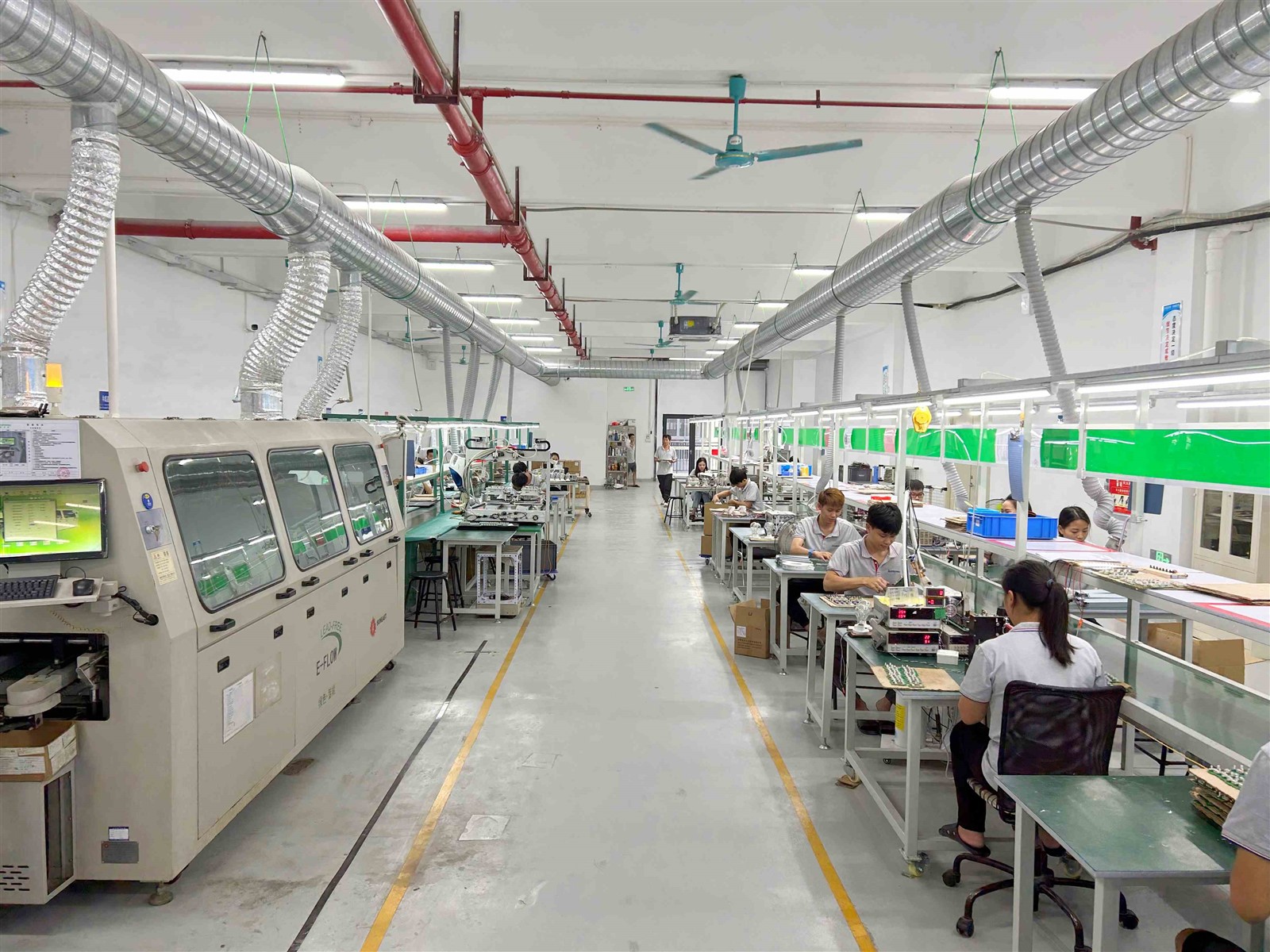
Apart from the professional perspective, some intuitive methods can be used to distinguish, such as whether the component layout is neat, generous, and orderly, and the solder joints are bright, clean, and upright. The quality of mechanized wave soldering process is better than manual soldering.
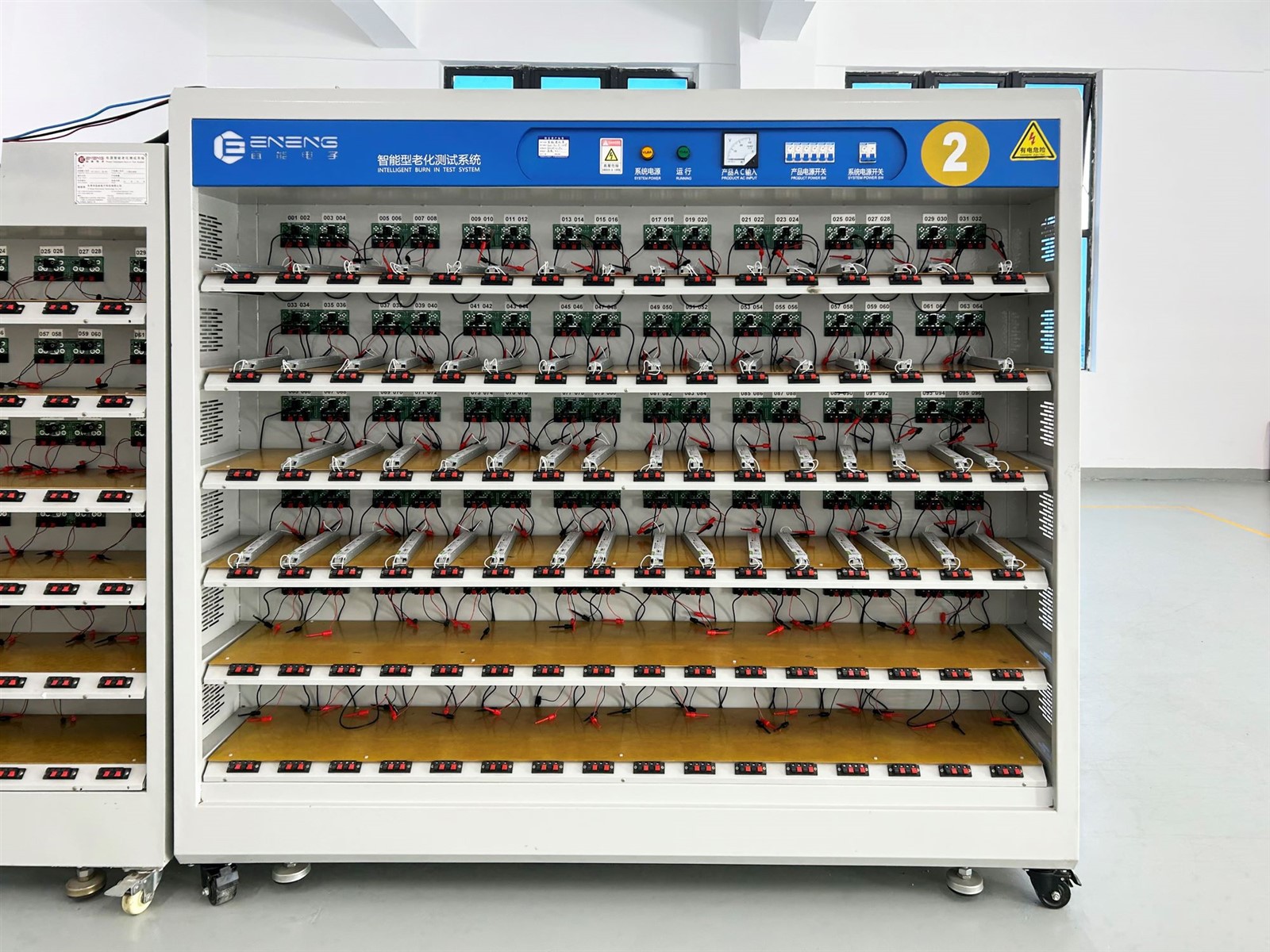
5: Batch testing and aging of power supply products
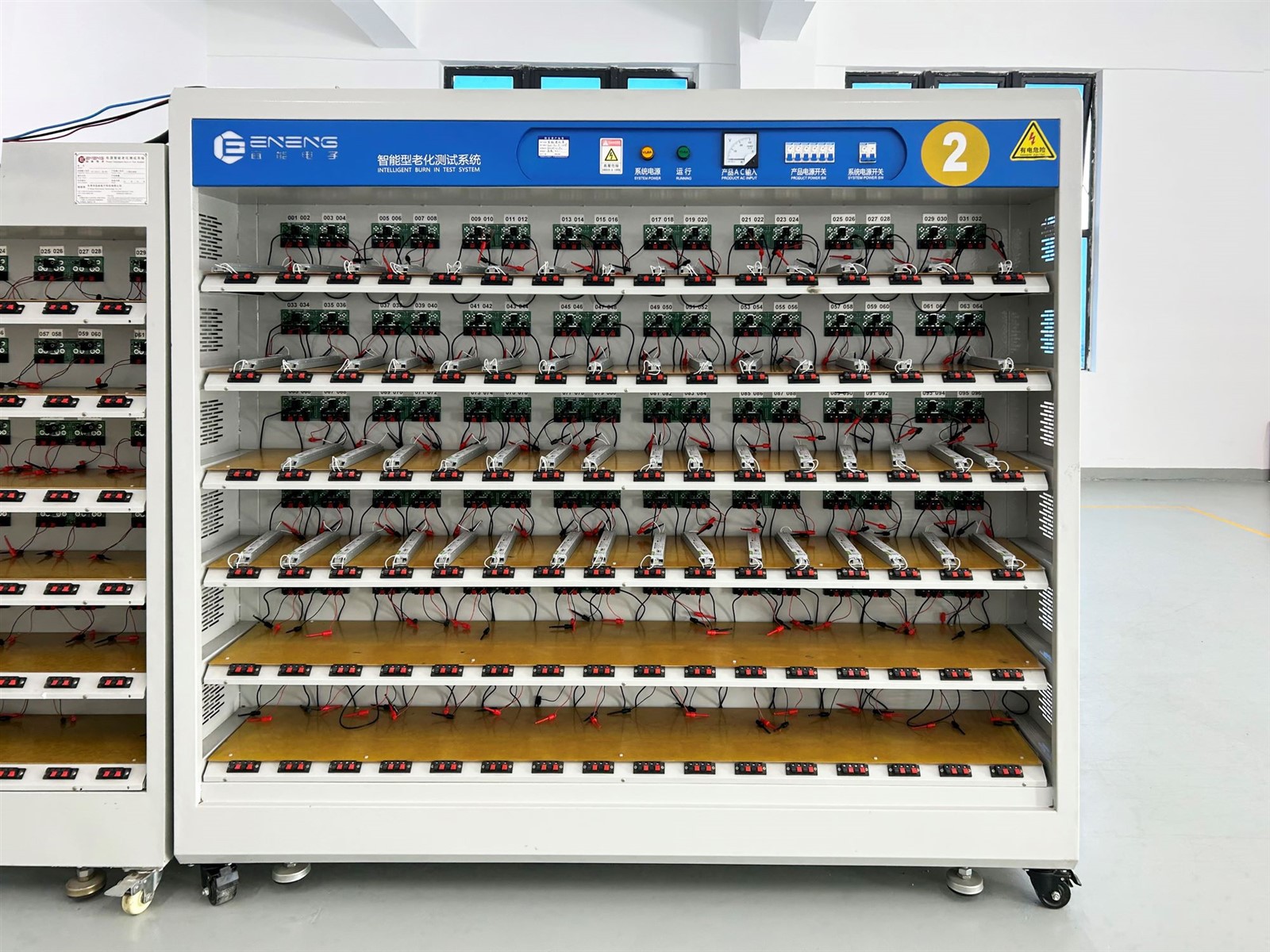
No matter how well the materials and production process are controlled, power supply products need to be tested for aging. Through the aging of the entire batch of power supplies and the high-temperature sampling in the high-temperature room, the quality stability of this batch of power supplies and whether the materials have safety hazards can be tested.
Taking Jusinpower LED dimming driver power supply as an example, let's see how Jusinpow ensures the quality of each power supply product:
1. Global fully automatic plug-in machine: automatically insert the plug-in material into the PCB, accurately and efficiently.
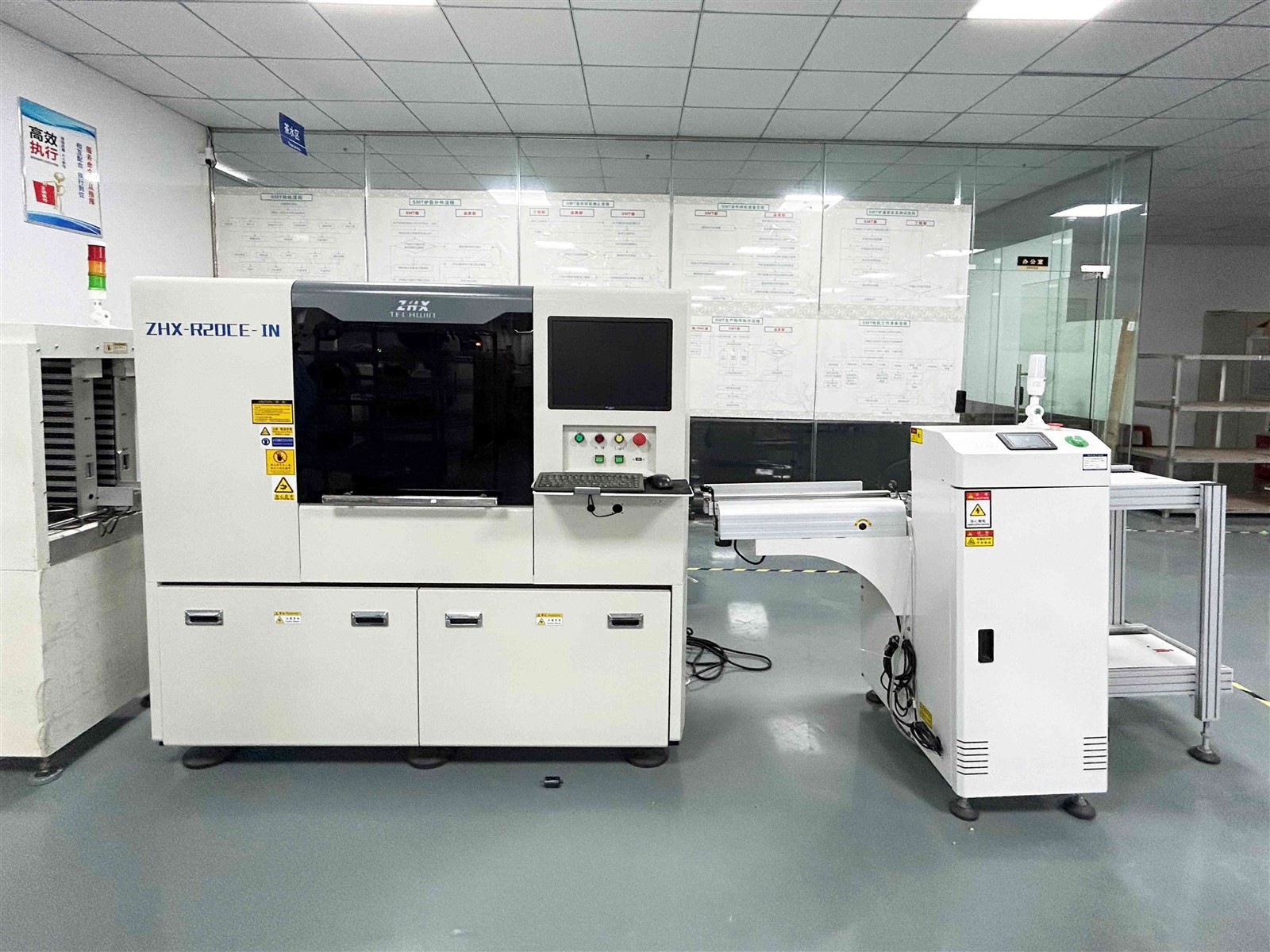
2. PCB automatic solder paste printer: print solder paste on PCB to prepare for SMT placement machine
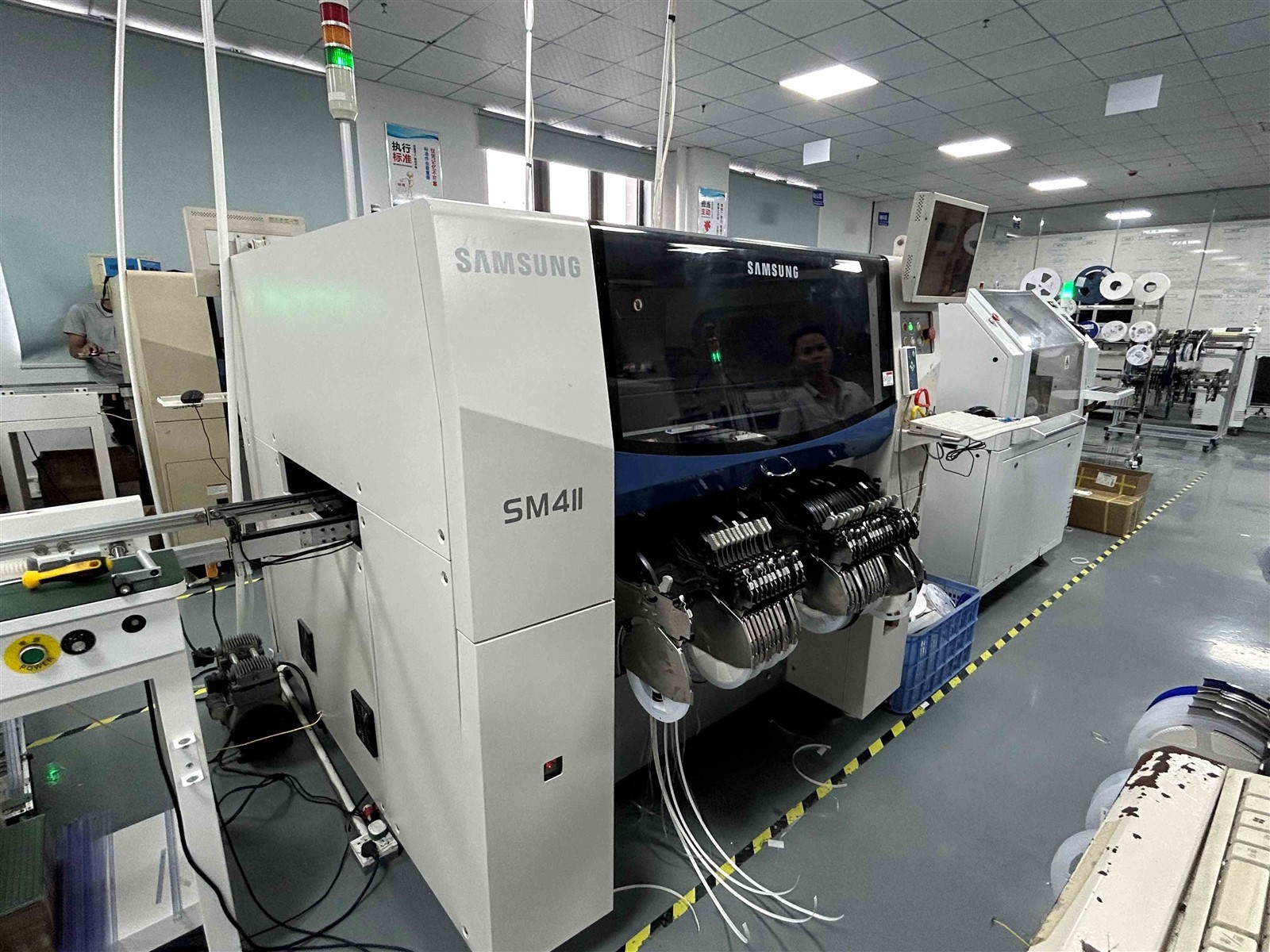
3. After the patch is completed, it will go through a patch test to ensure that the product is successfully patched.
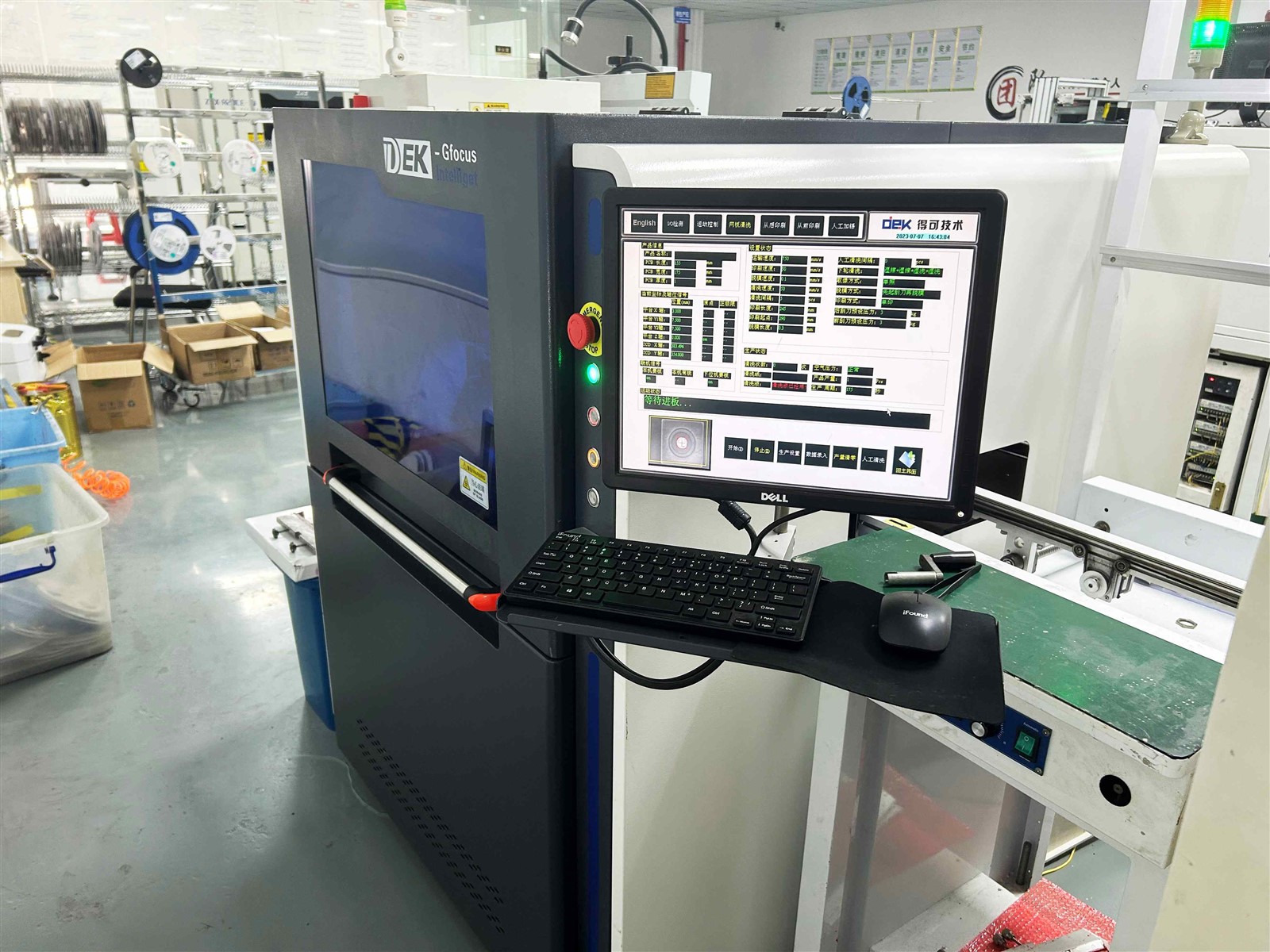
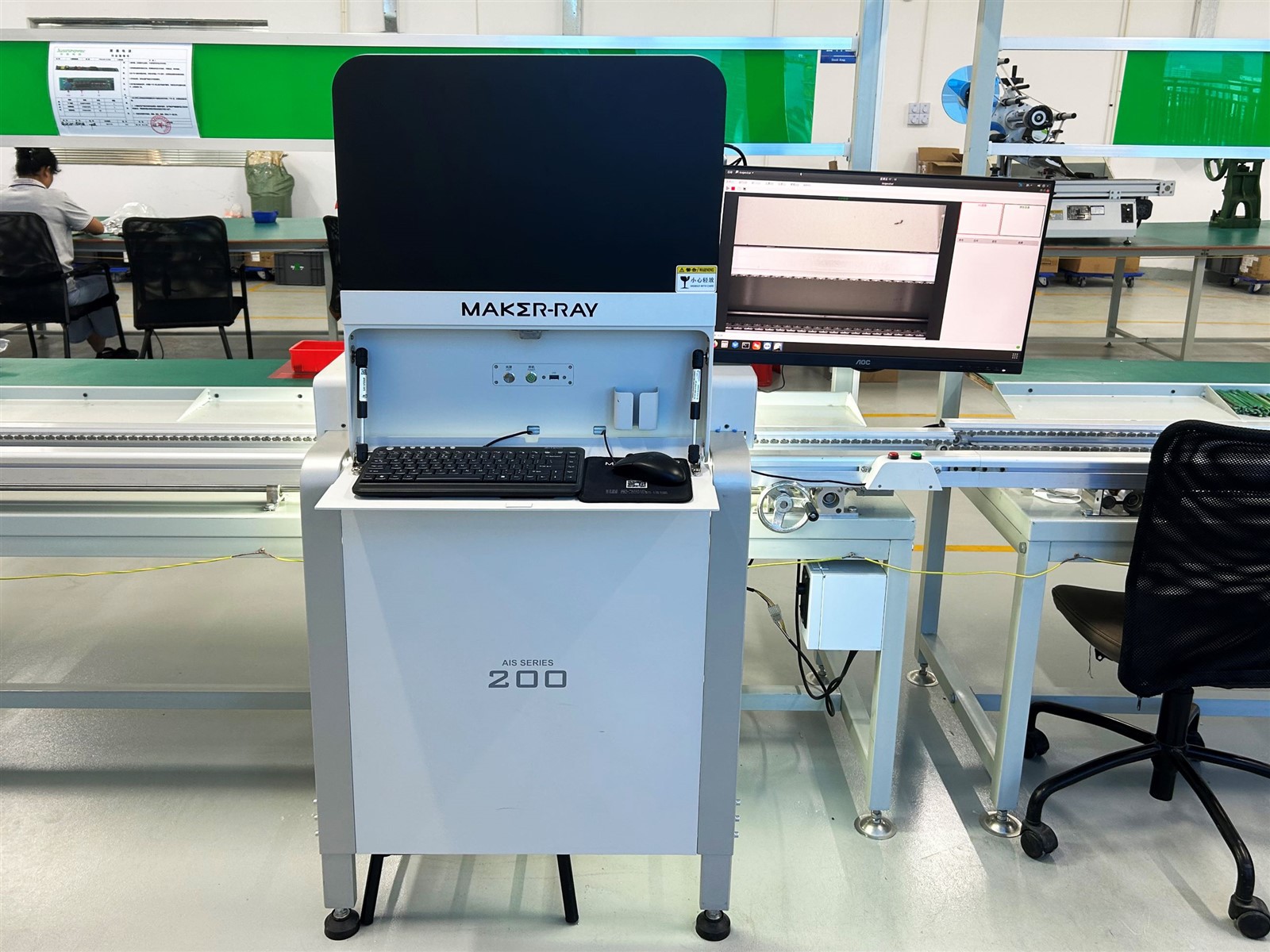
4. Fully automatic AOI visual inspection to ensure that each material is used correctly, and that there are no missing, insufficient tin or leaking solder joints between the material and the PCB board
5. The products will undergo strict aging tests before leaving the factory to ensure that each product can work stably
6. Two DIP production lines, capable of producing 50,000 drivers per month